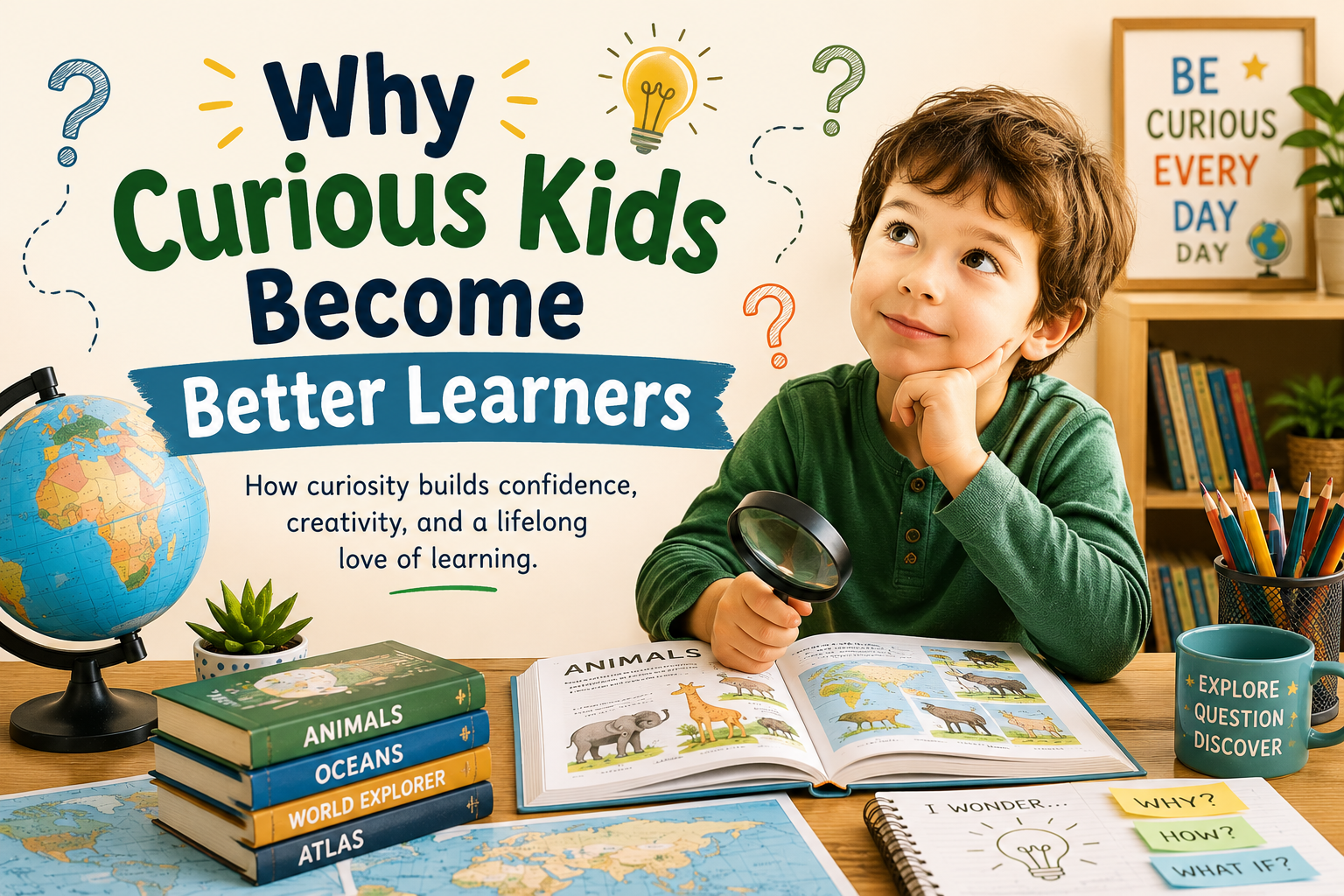
Why Curious Kids Become Better Learners
Curious kids often become better learners because they actively explore, ask questions, and seek to understand the world around them.
Have you ever noticed how many questions children ask?
Why is the sky blue? How do birds fly? Why do penguins live in cold places? What makes a rainbow appear?
Children are naturally curious about the world around them. From a very young age, they explore, observe, experiment, and ask questions in an effort to understand how things work.
This curiosity is much more than a personality trait. It is one of the most powerful learning tools children have.
When children are curious, they become active participants in their own learning. They pay closer attention, ask deeper questions, and develop a stronger desire to discover new ideas. In many ways, curiosity is the foundation of lifelong learning.
Let’s explore why curious kids often become better learners and how parents can encourage curiosity every day.
What Is Curiosity and Why Does It Matter?
Curiosity is the desire to learn, explore, and understand something new.
It encourages children to investigate their surroundings, seek answers, and make connections between ideas.
Rather than simply accepting information, curious children want to know more. They are motivated by discovery and often enjoy learning for its own sake.
This natural drive helps children develop important skills that support academic success and personal growth throughout their lives.
Curiosity helps children:
- Stay engaged in learning
- Build confidence
- Develop creativity
- Strengthen critical thinking skills
- Become more independent problem-solvers
Most importantly, curiosity transforms learning from an obligation into an adventure.
Curious Kids Are More Engaged in Learning
One reason curious children often learn more effectively is that they are genuinely interested in what they are learning.
When a child becomes fascinated by animals, space, geography, or history, they naturally pay closer attention and retain information more easily.
Instead of learning because they have to, they learn because they want to.
This type of motivation often leads to:
- Greater focus
- Better memory retention
- Increased participation
- Longer attention spans
- More enthusiasm for learning
Children who are interested in a topic often continue exploring it long after a lesson ends.
Curiosity Encourages Problem-Solving Skills
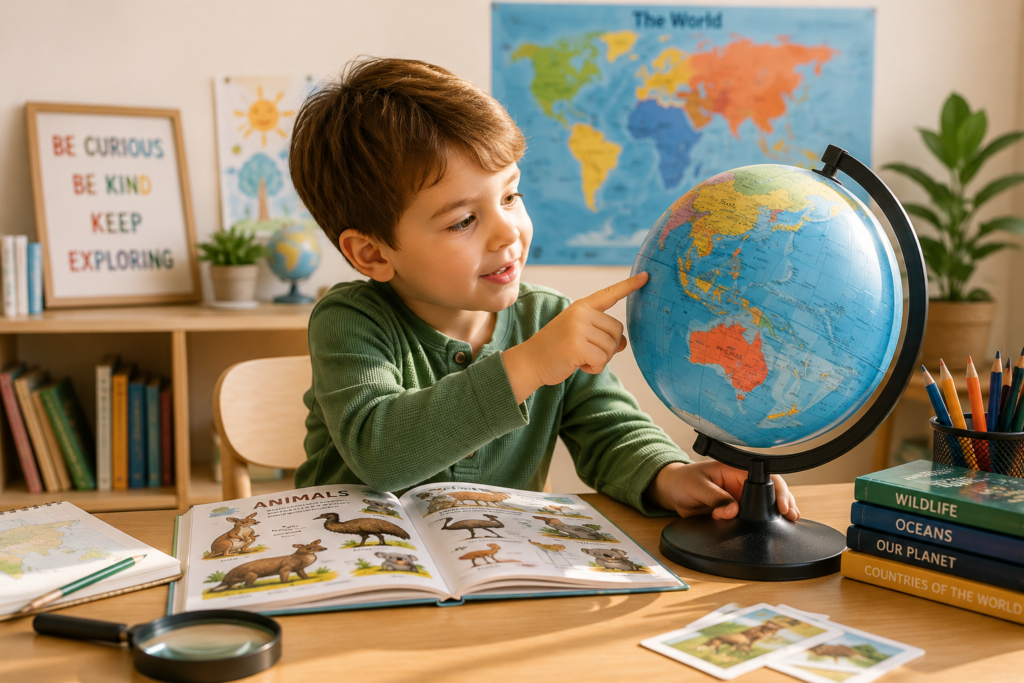
Curious children rarely stop at the first answer they receive.
They often ask follow-up questions, experiment with ideas, and look for different ways to solve problems.
This process helps develop important problem-solving skills.
When children investigate a challenge, they learn how to:
- Gather information
- Analyze situations
- Test ideas
- Evaluate results
- Think independently
These skills are valuable not only in school but throughout life.
Learning through exploration also helps children become more resilient when faced with challenges.
Play-based learning encourages children to experiment, explore, and develop problem-solving skills naturally. Learn more in How Kids Learn Best Through Play.
Asking Questions Builds Stronger Knowledge
Questions are one of the most powerful learning tools available.
Every question encourages a child to think more deeply about a topic.
For example, a child who asks why penguins live in Antarctica may begin learning about climate, habitats, animal adaptations, and geography all at once.
One simple question can open the door to many new discoveries.
As children ask questions, they begin connecting information from different subjects and building a broader understanding of the world.
This process strengthens both knowledge and critical thinking.
How Parents Can Encourage Curiosity
The good news is that parents do not need specialized training to support curiosity.
Small everyday interactions can make a big difference.
Let Children Ask Questions
Children often ask questions that seem endless.
Instead of rushing to provide answers, encourage discussion and exploration.
Sometimes asking, «What do you think?» can lead to meaningful conversations and deeper learning.
Explore New Topics Together
Children are more likely to stay curious when adults share their enthusiasm.
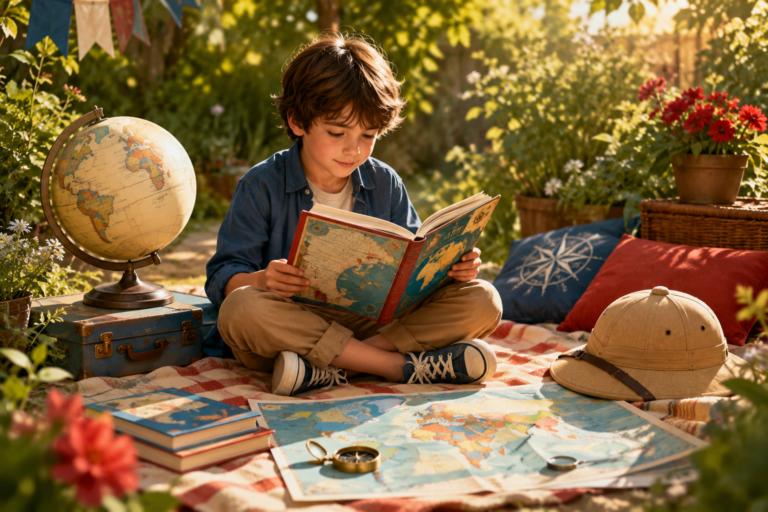
Reading books, watching educational documentaries, visiting museums, and exploring new topics together can create valuable learning experiences.
Encourage Hands-On Activities
Many children learn best by doing.
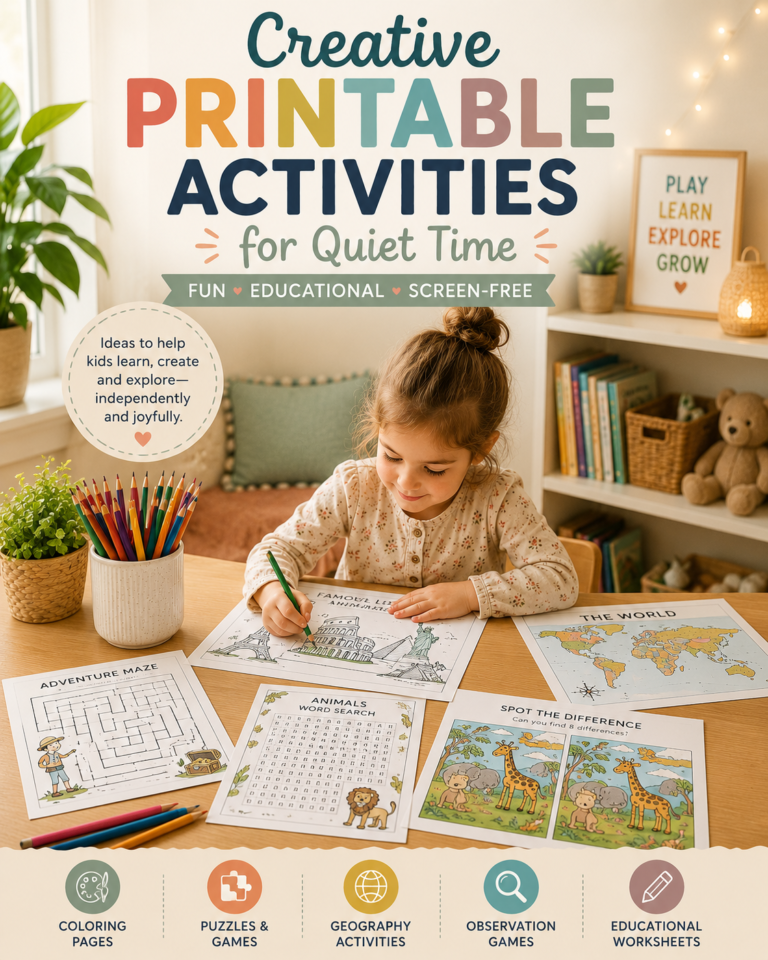
Creative projects, science experiments, puzzles, coloring activities, and educational games allow children to explore ideas in a hands-on way.
Make Learning Fun
Learning does not need to feel like schoolwork.
When learning is enjoyable, children naturally become more motivated to explore and discover new things.
Many important learning skills develop through everyday experiences at home. Explore our guide to Kindergarten Readiness Through Everyday Learning.
Learning Through Exploration and Play
Play and exploration are powerful learning tools.
When children engage in imaginative play, solve puzzles, complete activities, or explore new topics, they are actively building knowledge and skills.
Play encourages children to:
- Experiment
- Create
- Ask questions
- Solve problems
- Think critically
Because play feels enjoyable and low-pressure, children often learn more effectively than they do through passive instruction alone.
Learning through play helps nurture the curiosity that drives lifelong learning.
Small Everyday Adventures Spark Big Learning
Curiosity does not require elaborate lessons or expensive educational programs.
Many of the best learning opportunities happen during everyday experiences.
Children can develop curiosity by:
- Observing nature
- Exploring maps
- Learning about animals
- Reading books
- Visiting local parks
- Discovering different cultures
- Completing educational activities
- Asking questions about the world around them
Even small adventures can inspire big discoveries.
Curiosity often begins with a single question and grows into a lifelong passion for learning.
Exploring new places, cultures, and ideas often inspires even more questions. Discover why children enjoy learning about the world in Why Kids Love Learning About Different Countries.
Encouraging a Love of Discovery
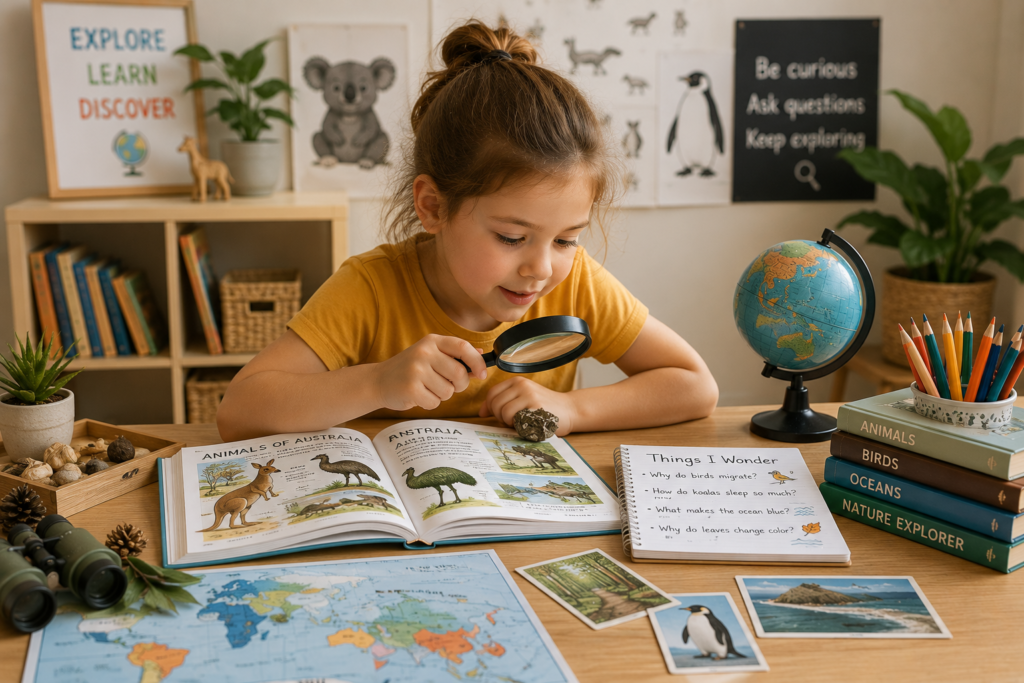
One of the greatest gifts parents can give children is the freedom to explore their interests.
Not every question needs an immediate answer.
Sometimes the learning journey itself is the most valuable part of the experience.
By encouraging curiosity, parents help children develop confidence, independence, creativity, and a genuine love of learning.
These qualities can benefit children throughout school and far beyond.
Looking for fun ways to encourage curiosity at home?
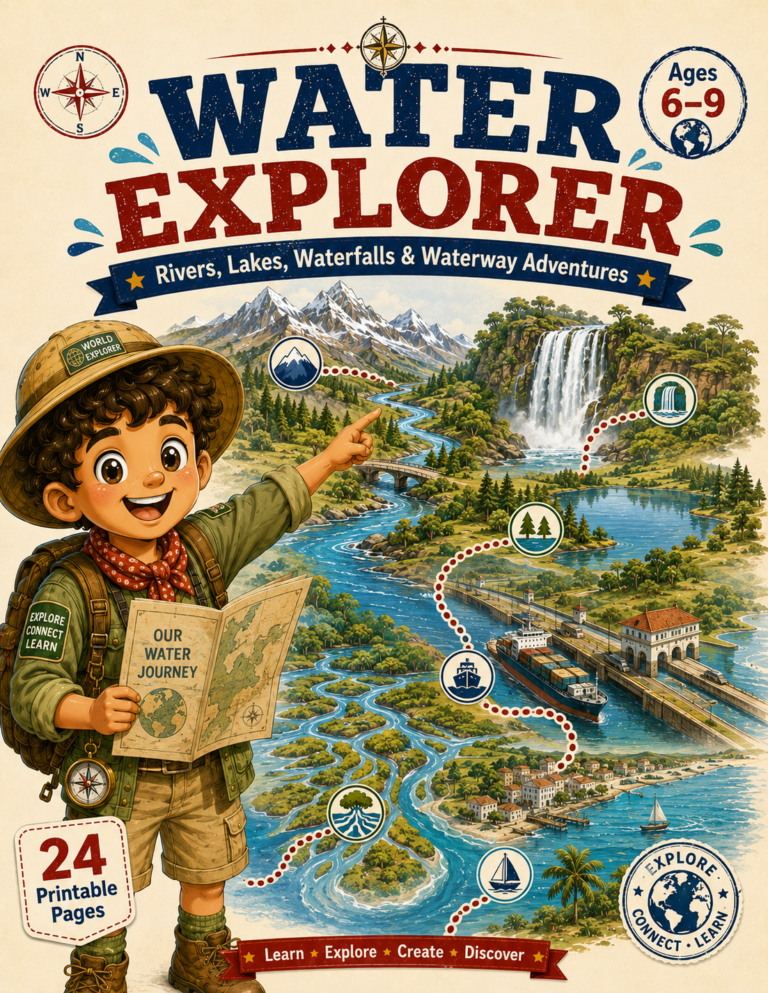
Educational activity books, geography adventures, animal exploration activities, and printable learning resources can help children discover new interests while learning through creativity and play.
Hands-on educational activities can help nurture curiosity while making learning enjoyable. Read Printable Activities for Kids: Fun Screen-Free Learning Ideas for more inspiration.
Final Thoughts
Curiosity is one of the most powerful forces in childhood learning.
It inspires children to ask questions, explore new ideas, solve problems, and develop a deeper understanding of the world around them.
Rather than focusing only on answers, we can help children become lifelong learners by encouraging them to keep asking questions and seeking new discoveries.
After all, every great adventure begins with curiosity.