How Kids Learn Best Through Play
Why Fun Is One of the Most Powerful Learning Tools
How kids learn through play is one of the most fascinating discoveries in child development. However, one of the most effective learning methods often looks very different from traditional lessons.
It looks like play.
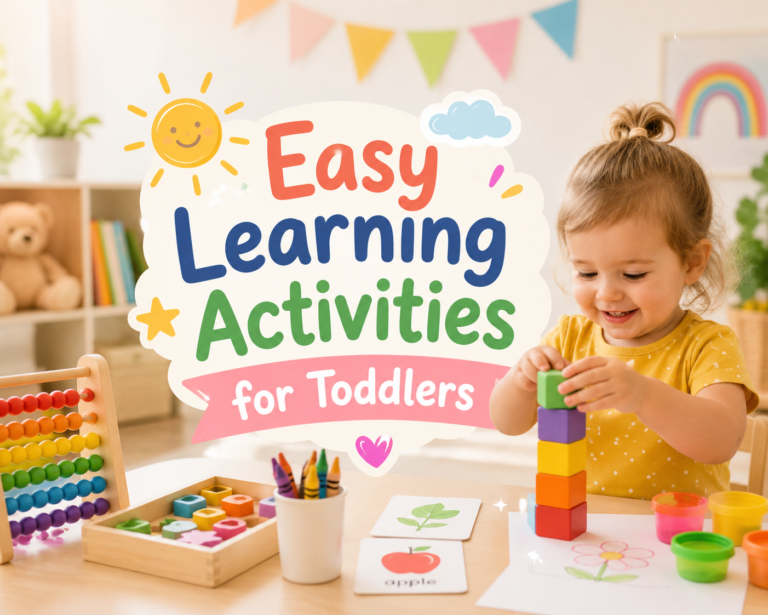
Whether children are building with blocks, solving puzzles, coloring pictures, pretending to be explorers, or playing educational games, they are actively developing skills that support learning and growth.
Research has consistently shown that play is not a distraction from learning—it is one of the most natural and effective ways children learn about the world around them.
Understanding how children learn through play can help parents create meaningful learning experiences that feel exciting rather than stressful.
Why Play Is a Child’s Natural Way of Learning
From the moment children are born, they learn by exploring.
Babies touch objects, toddlers experiment with cause and effect, and older children constantly ask questions about how things work.
Play allows children to investigate, experiment, and discover new ideas in a way that feels natural and enjoyable.
Unlike passive learning, where children simply receive information, play encourages active participation.
Children make decisions, test ideas, solve problems, and learn from experience.
This type of engagement helps create stronger understanding and longer-lasting memories.
When learning feels like an adventure, children are often more motivated to keep exploring.
Looking for more ways to encourage curiosity and creativity? Explore our collection of Creative Learning Activities for Kids for fun ideas that turn everyday moments into learning opportunities
Learning Through Play Creates Stronger Memories
Think about the things you remember most from your own childhood.
Chances are many of those memories involve experiences rather than facts.
Children learn in a similar way.
Activities that involve movement, creativity, curiosity, and emotion tend to be remembered far more effectively than information learned through repetition alone.
For example, a child who builds a model volcano, completes a scavenger hunt, or solves a geography puzzle is actively interacting with information.
These experiences create meaningful connections that help knowledge stick.
Play-based learning transforms information from something children memorize into something they experience.
Activities that combine creativity with learning can be especially effective. Our guide to Fun Coloring Worksheets for Kids: Learning Through Creativity explores how simple coloring activities can support skill development and knowledge retention.
Play Develops More Than Academic Skills
Many people associate learning only with reading, writing, and mathematics.
However, play helps children develop a much broader set of skills.
Through play, children strengthen:
- Creativity and imagination
- Problem-solving abilities
- Critical thinking skills
- Communication skills
- Confidence and independence
- Social and emotional development
When children collaborate on games, invent stories, or solve challenges, they practice important life skills that will benefit them long after childhood.
These skills are often just as valuable as academic knowledge.
Educational Play Doesn’t Have to Feel Like School
One common misconception is that educational activities need to resemble classroom lessons.
In reality, children often learn best when they don’t feel like they are being taught.
Simple activities can provide valuable learning opportunities:
- Coloring pages
- Matching games
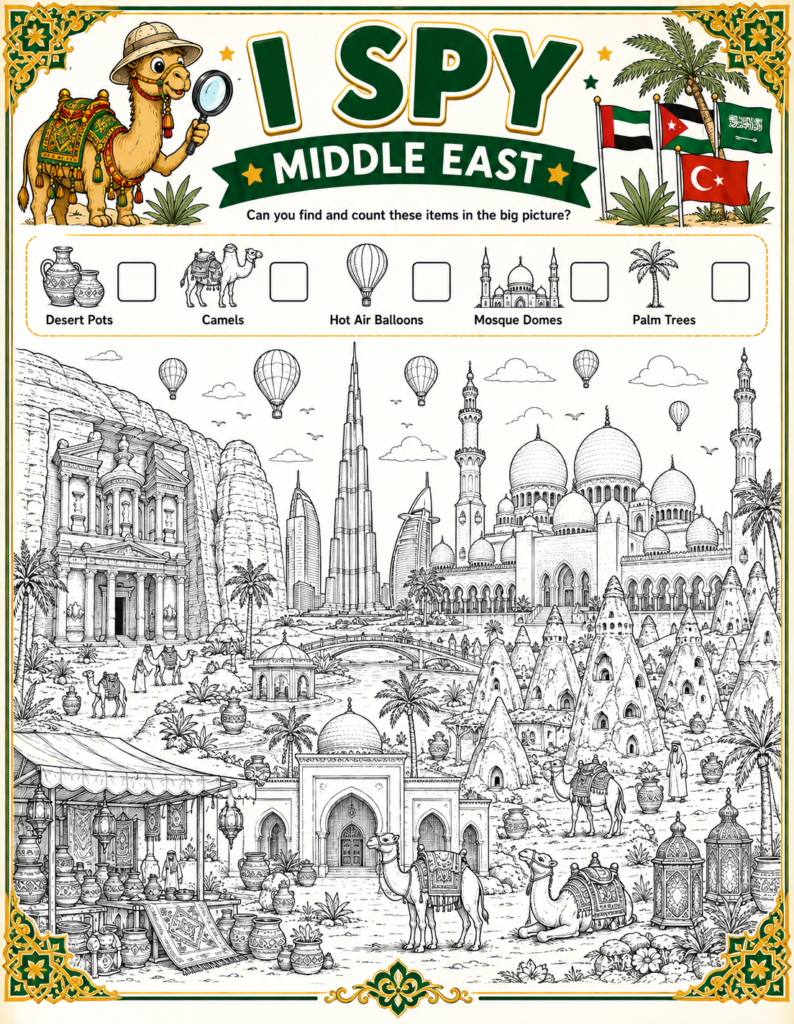
- I Spy challenges
- Building projects
- Treasure hunts
- Board games
- Creative drawing activities
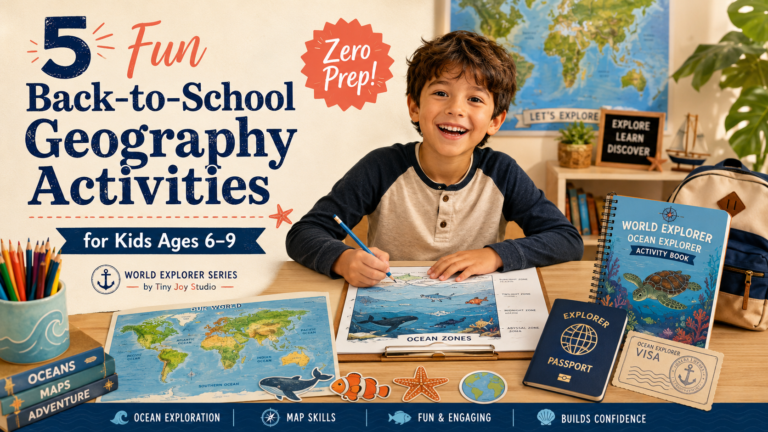
- Geography exploration games
- Nature observation challenges
These activities encourage children to think, observe, and solve problems while having fun.
The learning happens naturally through participation.
How Play Encourages Curiosity
Curiosity is one of the most powerful drivers of learning.
Children are naturally curious about animals, countries, landmarks, space, nature, and how things work.
Play gives children the freedom to explore these interests without pressure.
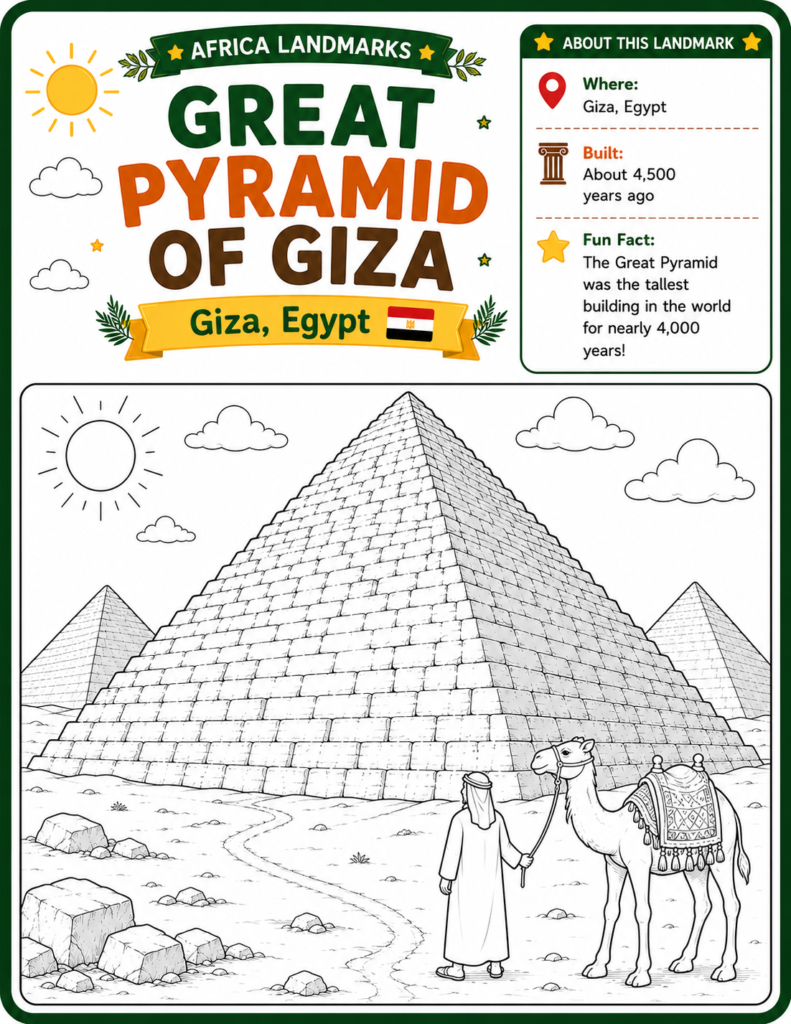
A child who becomes interested in pyramids while coloring may begin asking questions about ancient Egypt.
A geography game might spark curiosity about different countries and cultures.
An activity about wildlife could lead to a deeper interest in science and conservation.
Learning often begins with a single question, and play creates opportunities for those questions to emerge.
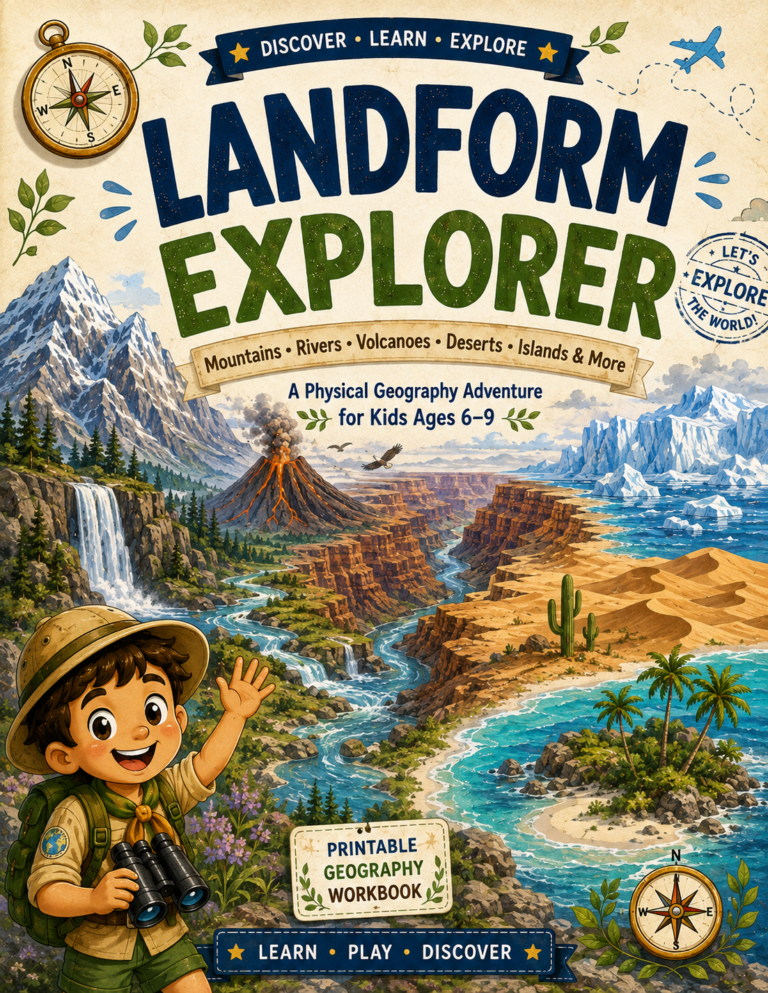
Geography is a great example of a subject children often learn best through exploration. Learn more in How Geography Helps Children Understand the World.
Screen-Free Learning Still Matters
Technology can be a useful educational tool, but many parents are also looking for ways to encourage learning away from screens.
Screen-free activities offer unique benefits.
They encourage hands-on participation, creativity, focus, and real-world interaction.
Children can slow down, engage their imagination, and work at their own pace.
Activities such as puzzles, coloring pages, educational games, and hands-on projects help create balanced learning experiences that support healthy development.
These moments also provide opportunities for families to learn and explore together.
How Parents Can Encourage Play-Based Learning at Home
Supporting learning through play does not require expensive materials or complicated lesson plans.
Parents can encourage play-based learning by:
- Providing open-ended activities
- Encouraging questions and exploration
- Reading together
- Introducing educational games
- Exploring maps and world cultures
- Creating simple challenges and puzzles
- Allowing time for creative play
The goal is not to direct every activity but to create an environment where curiosity can grow.
Children often learn best when they feel free to explore their interests.
Why Educational Activity Books Work So Well
Educational activity books are a great example of learning through play.
They combine creativity, problem-solving, reading, observation, and hands-on activities in a format that feels fun rather than academic.
Children can color, solve puzzles, complete challenges, learn interesting facts, and explore new topics at their own pace.
Because activities are interactive, children remain engaged while developing knowledge and important learning skills.
This combination of fun and education helps transform learning into an enjoyable experience rather than a chore.
Exploring famous places can become much more memorable when children interact with them through activities. Our article 20 Famous Landmarks Every Child Should Know introduces some of the world’s most fascinating destinations for young learners.
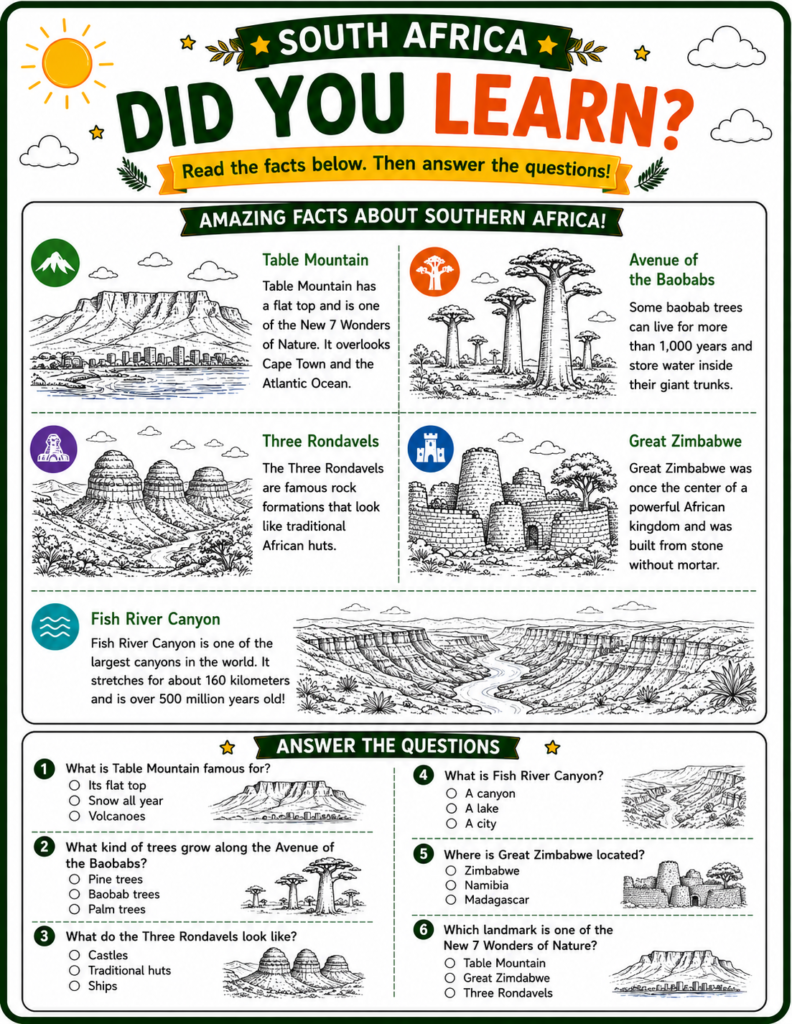
Ready to Turn Learning Into an Adventure?
Learning through play becomes even more effective when children can explore new places, solve challenges, discover fun facts, and express their creativity.
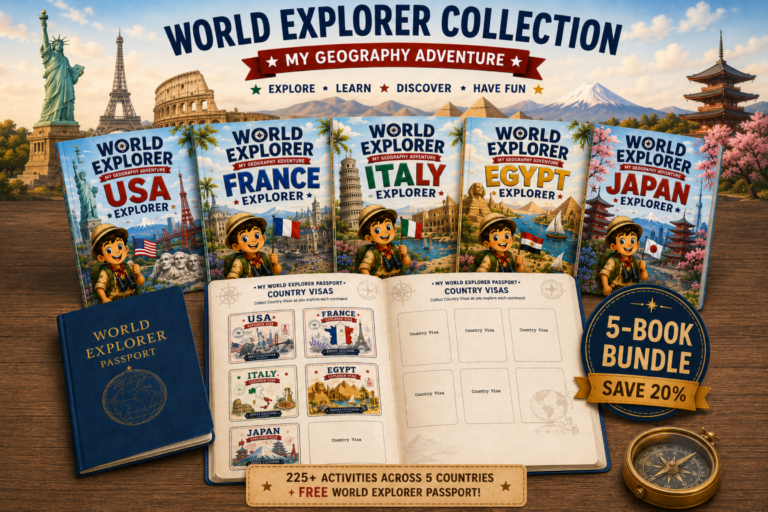
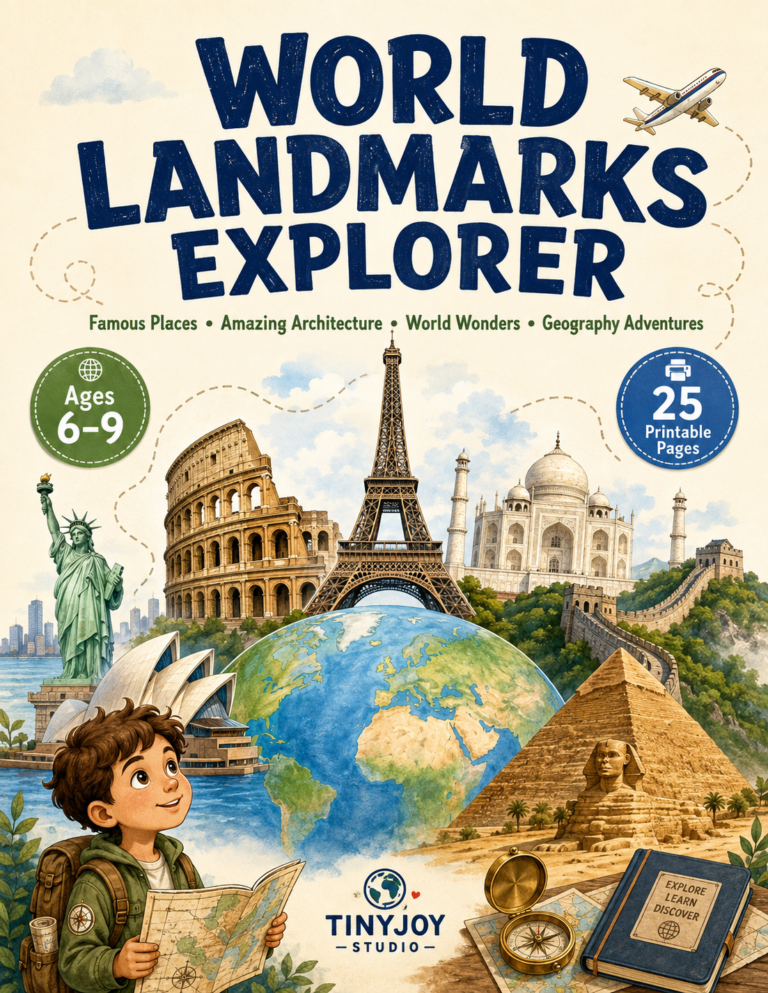
Our educational activity books help young explorers learn about the world through coloring pages, geography activities, I Spy challenges, quizzes, and hands-on learning experiences.
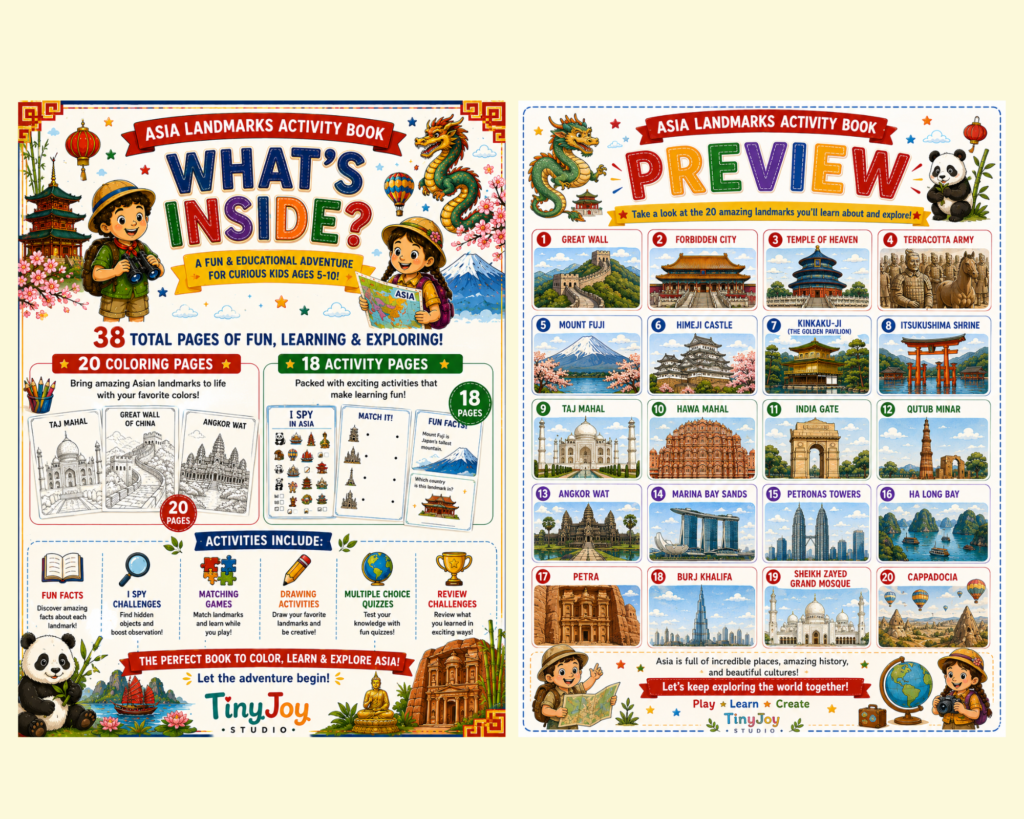
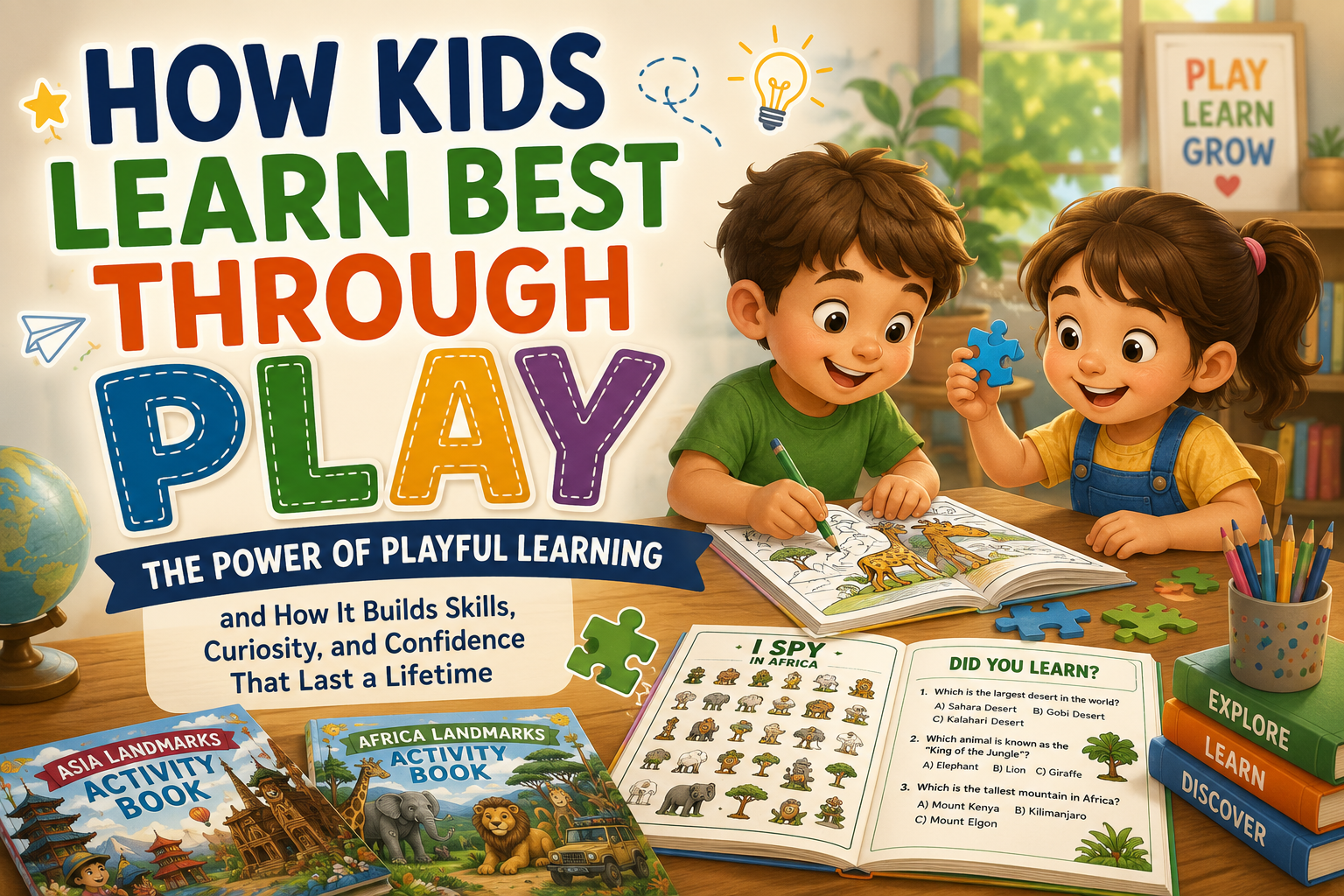
🗺️ Asia Landmarks Activity Book — Discover 20 famous landmarks across Asia through coloring, activities, and fun facts.
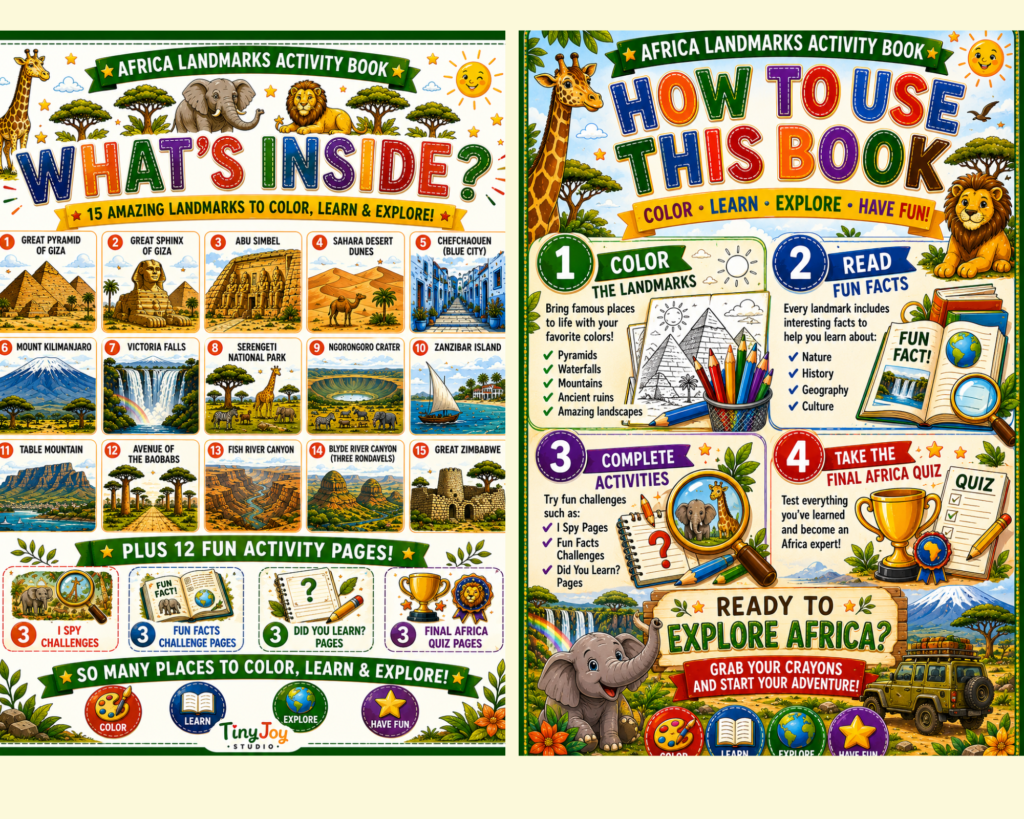
🦁 Africa Landmarks Activity Book — Explore 15 incredible African landmarks, natural wonders, wildlife, and geography through engaging educational activities.
Whether your child loves history, geography, animals, or creative learning, these screen-free adventures make learning fun and memorable.
Final Thoughts
Play is far more than entertainment.
It is one of the most powerful ways children explore the world, build knowledge, develop confidence, and strengthen important life skills.
When children learn through play, they become active participants in their own education.
Whether they are solving puzzles, exploring geography, coloring famous landmarks, or discovering fascinating facts about different cultures, every playful experience creates new opportunities for growth.
By encouraging curiosity, creativity, and exploration, parents can help children develop a lifelong love of learning—one playful adventure at a time.
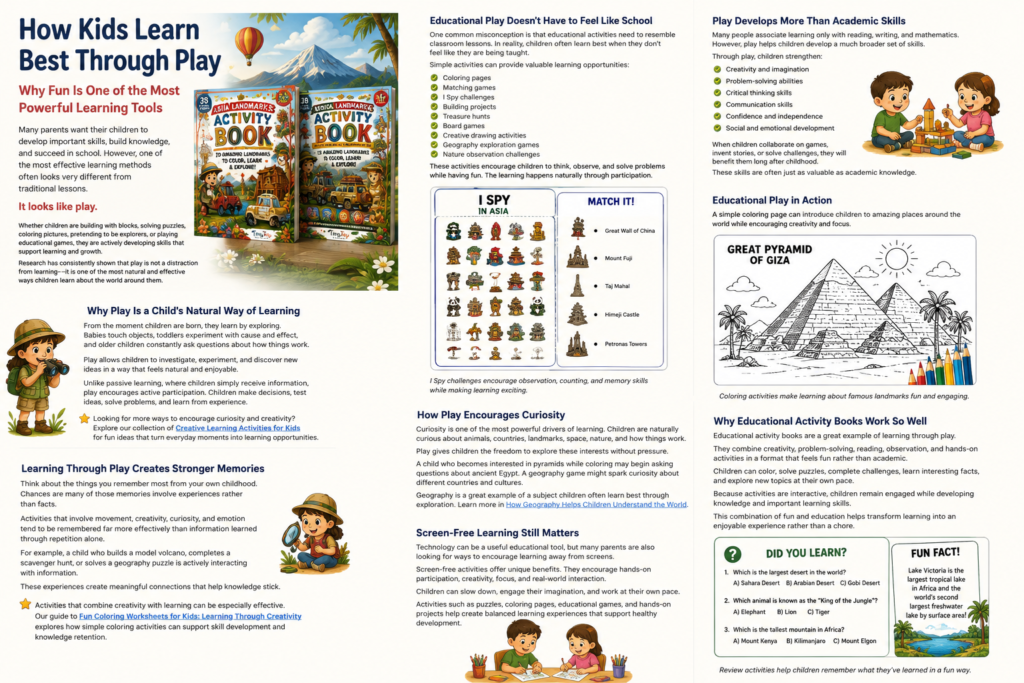
Looking for Screen-Free Learning Activities?
Educational activity books featuring world landmarks, geography challenges, coloring pages, fun facts, and creative activities can help children learn through play while exploring fascinating places around the world.
They provide an engaging way to build knowledge, encourage curiosity, and make learning an exciting adventure for young explorers.