How Geography Helps Children Understand the World
How geography helps children understand the world is an important question for parents and educators who want to raise curious, informed, and globally aware children.
Geography is much more than learning the names of countries and finding places on a map. It helps children understand how people live, how cultures differ, how environments shape communities, and how the world is connected.
In today’s increasingly global society, geography provides children with valuable knowledge that extends far beyond the classroom. It encourages curiosity, critical thinking, and a broader perspective on the world around them.
Let’s explore some of the most important ways geography helps children develop a deeper understanding of the world.
1. Geography Helps Children See the Bigger Picture
Young children naturally begin by understanding their immediate surroundings—their home, neighborhood, and community.
Geography gradually expands that perspective. Children learn that there are different countries, landscapes, climates, and cultures across the globe.
As they explore maps and discover new places, they begin to understand that the world is much larger and more diverse than their everyday experiences.
This broader perspective helps children become more aware of the people and places that exist beyond their own communities.
2. Geography Builds Cultural Awareness
One of the greatest benefits of geography is that it introduces children to different cultures.
As children learn about countries around the world, they also discover different traditions, languages, foods, celebrations, and ways of life.
Understanding cultural differences helps children develop respect, empathy, and appreciation for people from various backgrounds.
Rather than seeing differences as unusual, children learn to value diversity and recognize that every culture contributes something unique to the world.
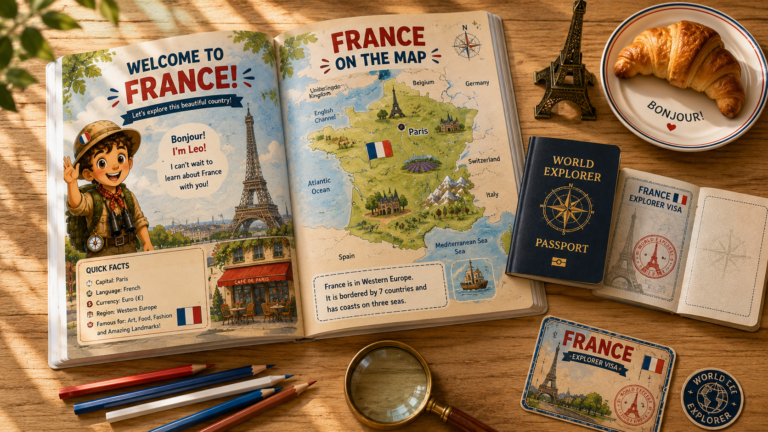
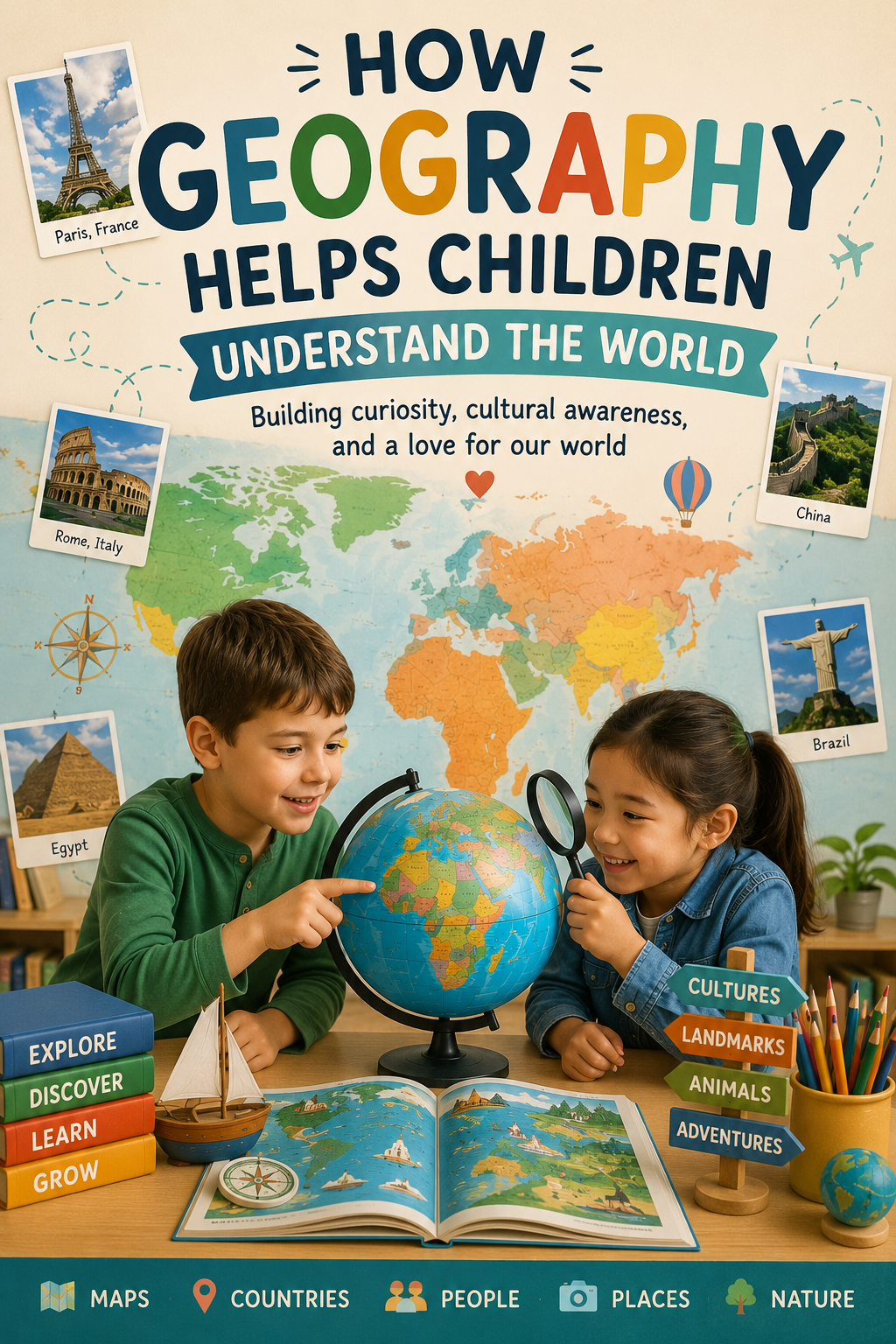
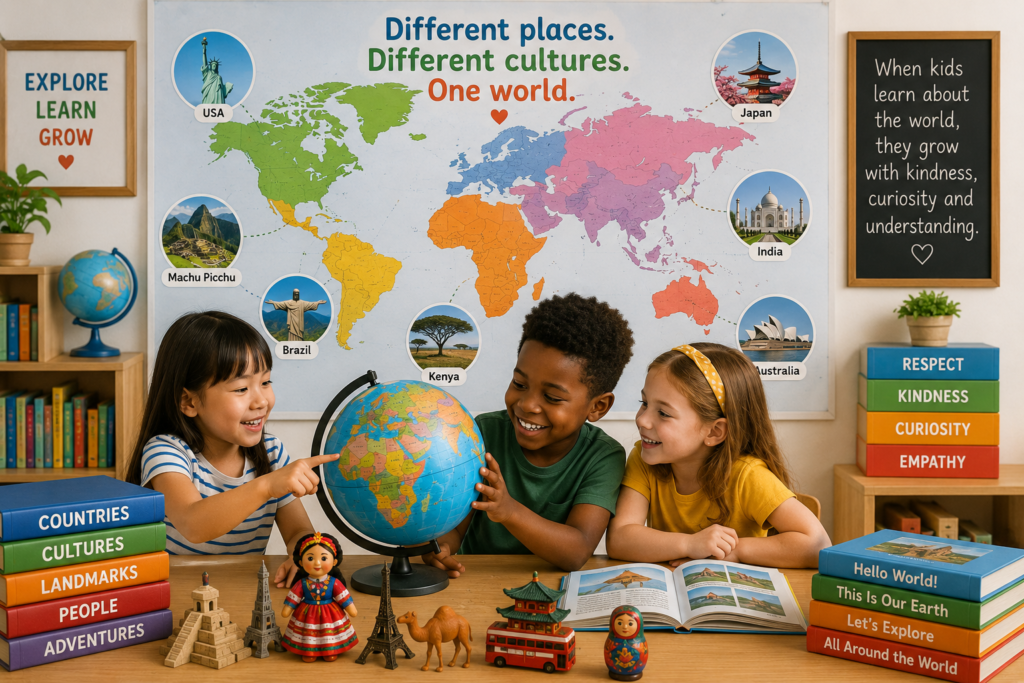
Learning geography helps children understand different cultures, traditions, countries, and people around the world.
3. Geography Encourages Curiosity
Geography naturally inspires questions.
Children often wonder:
- Why do some places have deserts?
- Why do people speak different languages?
- Why do certain animals live in specific regions?
- How do people live in different climates?
These questions encourage exploration and lifelong learning.
Curiosity is one of the most important educational skills children can develop, and geography provides endless opportunities to ask questions and seek answers.
Understanding how geography helps children understand the world allows children to connect their curiosity with meaningful learning experiences.
4. Geography Helps Children Understand Nature
Geography introduces children to mountains, rivers, oceans, forests, deserts, and other natural environments.
By learning about these features, children gain a better understanding of how the natural world works.
They also begin to understand concepts such as weather, climate, ecosystems, and conservation.
This knowledge can help children develop a greater appreciation for nature and encourage responsible environmental habits as they grow older.
5. Geography Connects Different School Subjects
Geography is one of the most interdisciplinary subjects children can study.
A single country can introduce lessons about:
- history
- science
- culture
- language
- wildlife
- art
- architecture
Because geography connects so many topics, it helps children see relationships between different areas of knowledge.
This integrated approach often makes learning more meaningful and memorable.
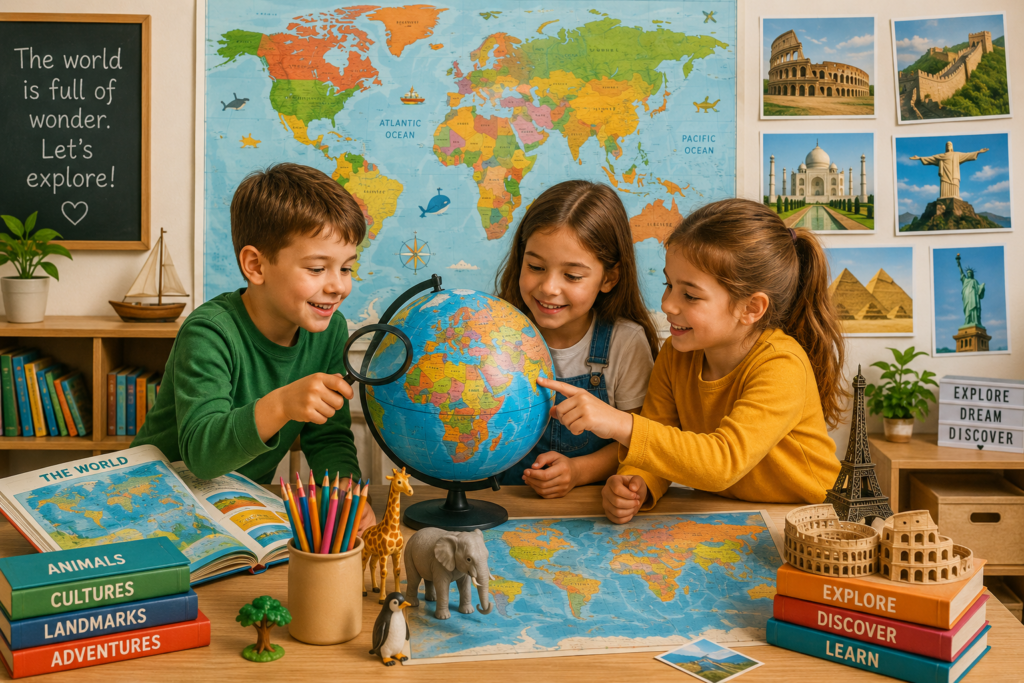
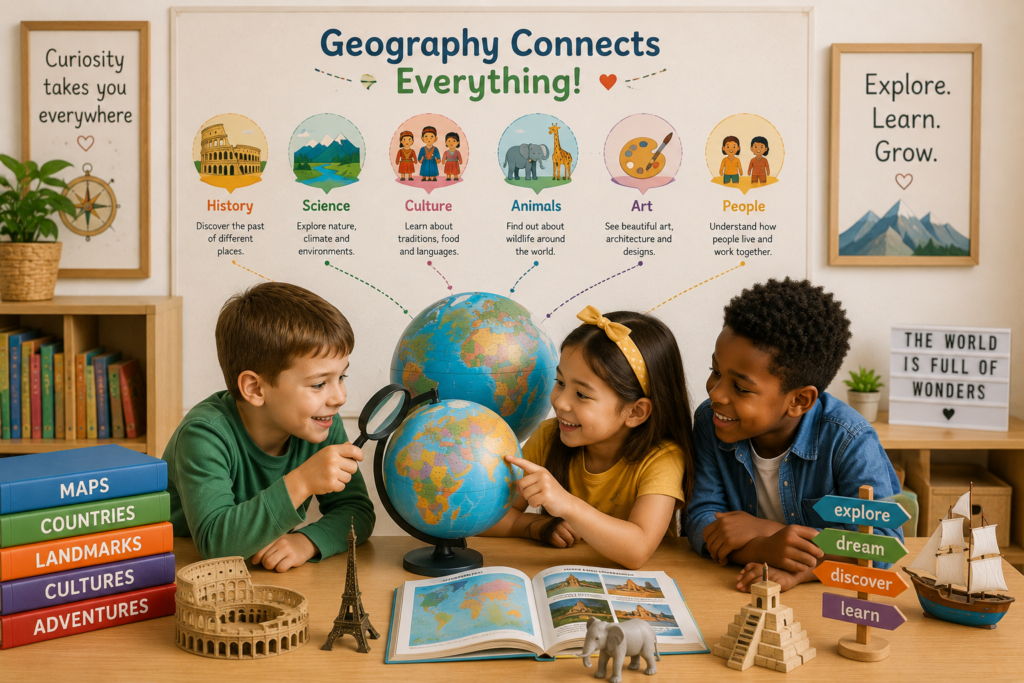
Geography connects history, science, culture, wildlife, and global learning through maps and exploration activities for children.
6. Geography Develops Critical Thinking Skills
Geography encourages children to think about how people and places interact.
They begin asking questions such as:
- Why do cities develop in certain locations?
- How does climate affect daily life?
- Why are some regions more populated than others?
These questions help children analyze information, make connections, and think critically about the world.
Problem-solving and reasoning skills developed through geography can benefit children throughout their education.
7. Geography Inspires Global Citizenship
Today’s children are growing up in a highly connected world.
Understanding geography helps them become informed global citizens who recognize how countries, cultures, and communities are interconnected.
Children who learn about the world often develop greater empathy, openness, and interest in international issues.
They begin to understand that people across the globe share many common experiences despite cultural differences.
These lessons can help prepare children for a future in an increasingly global society.
8. Geography Makes Learning an Adventure
Perhaps most importantly, geography is exciting.
Every country, culture, landmark, animal, and landscape tells a story.
Children can travel the world through maps, books, activities, and exploration without ever leaving home.
This sense of discovery makes geography one of the most engaging subjects for young learners.
When learning feels like an adventure, children become more motivated to continue exploring and asking questions.
A Simple Way to Explore the World at Home
Parents do not need expensive travel experiences to introduce geography.
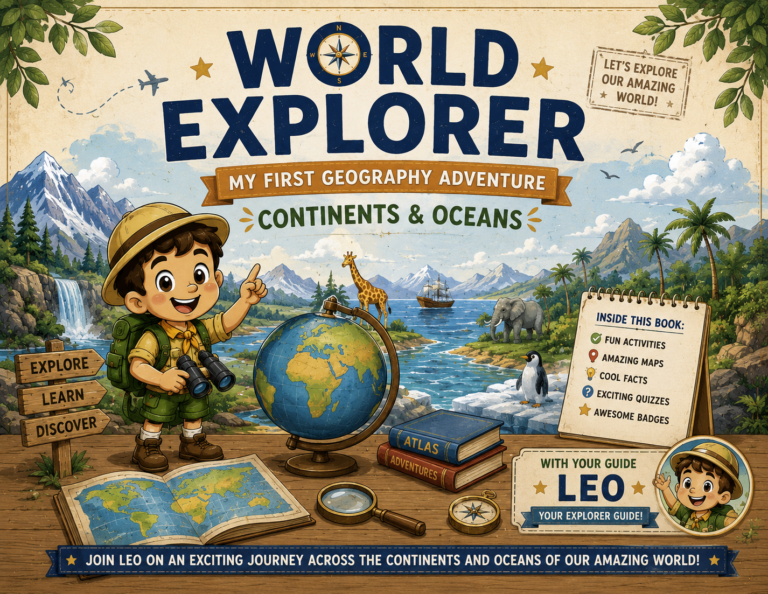
Simple activities such as reading books, exploring maps, learning about countries, discovering famous landmarks, and discussing different cultures can help children build global awareness from an early age.
The goal is not memorization. The goal is helping children become curious explorers who enjoy learning about the world around them.
You May Also Enjoy
- Countries of the World for Kids
- Why Learning Geography Through Play Is Best for Kids
- How to Raise a Curious Child Who Loves Learning About the World
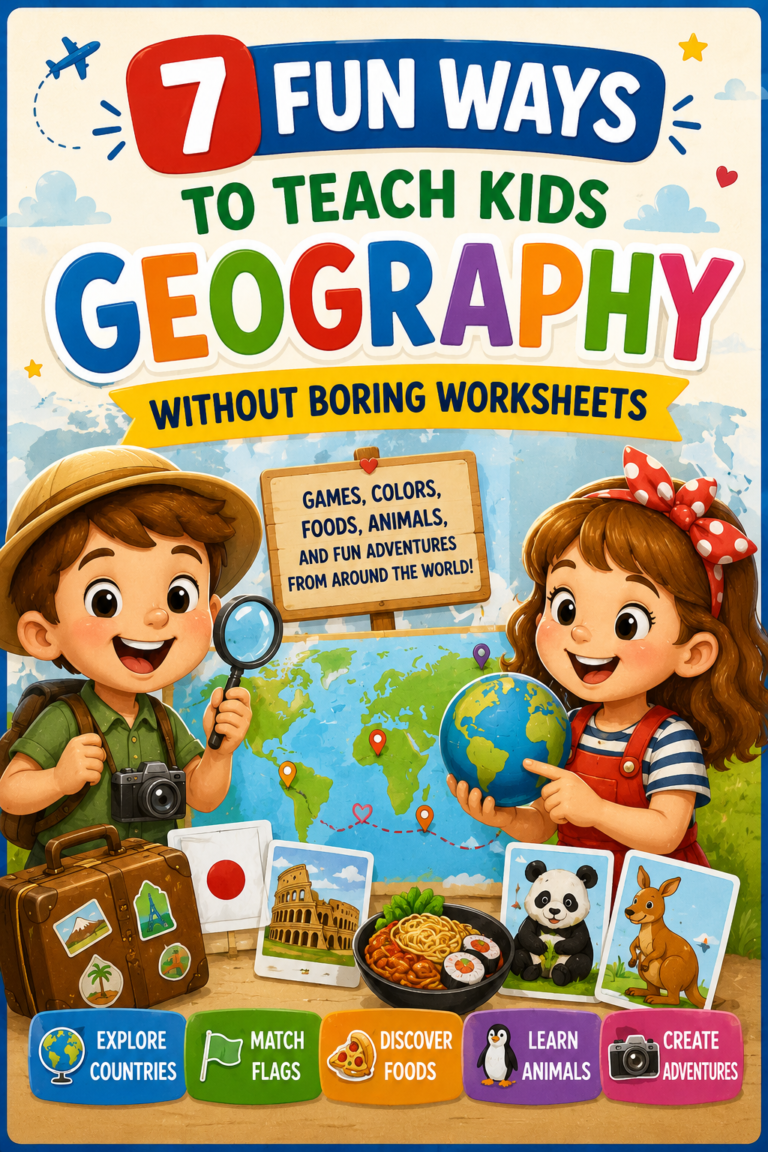
- Fun Ways to Teach Kids Geography
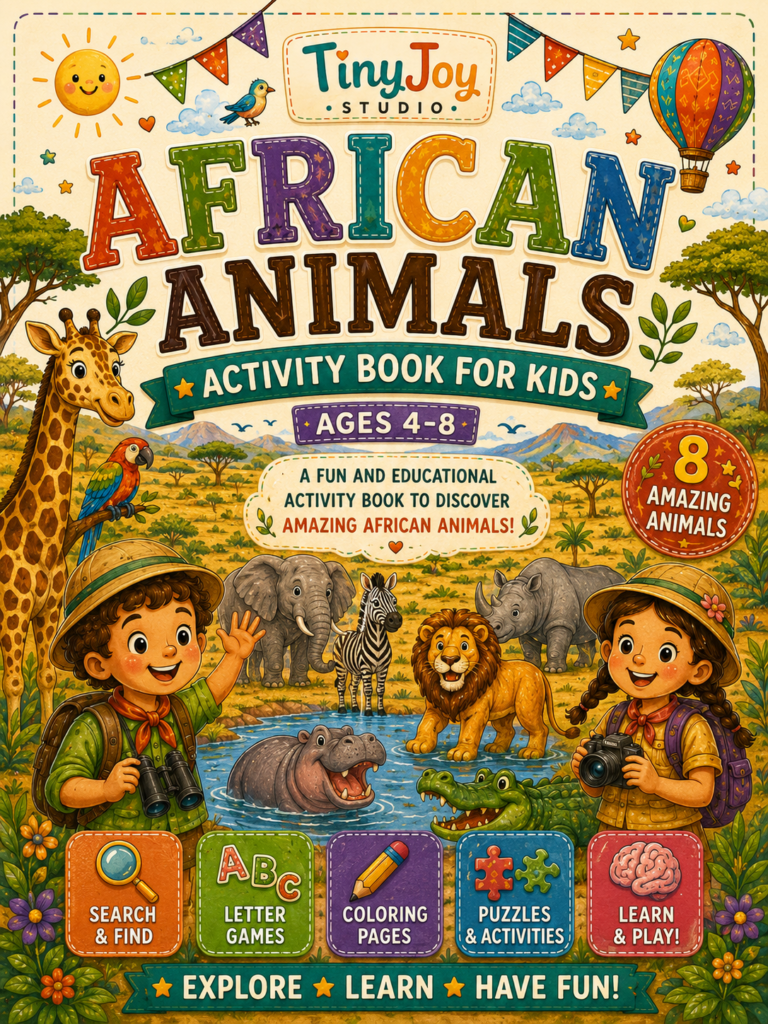
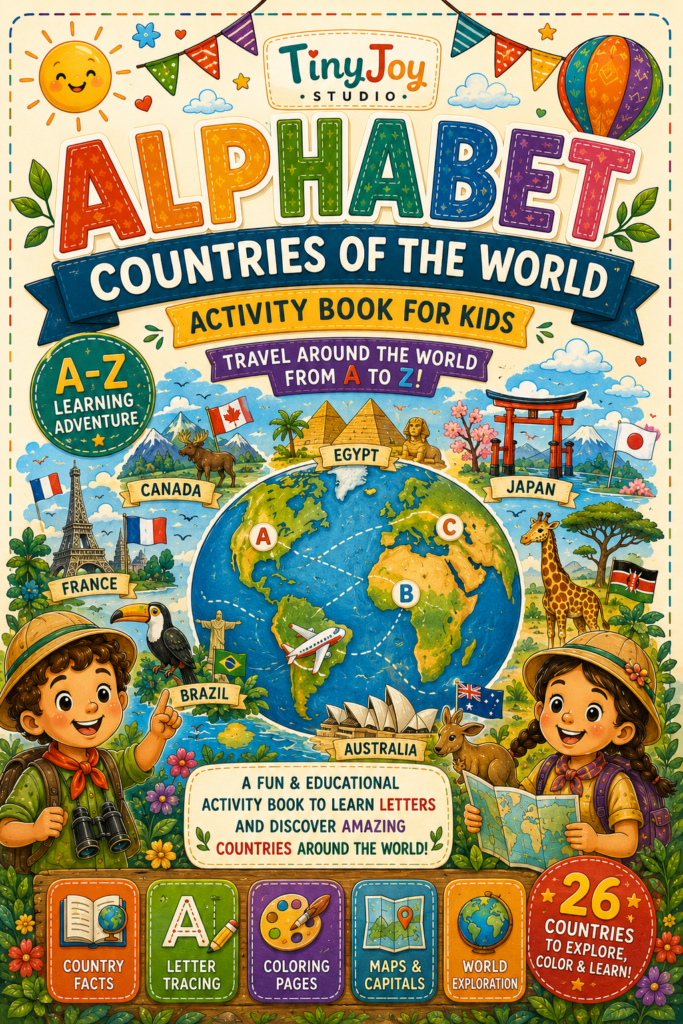
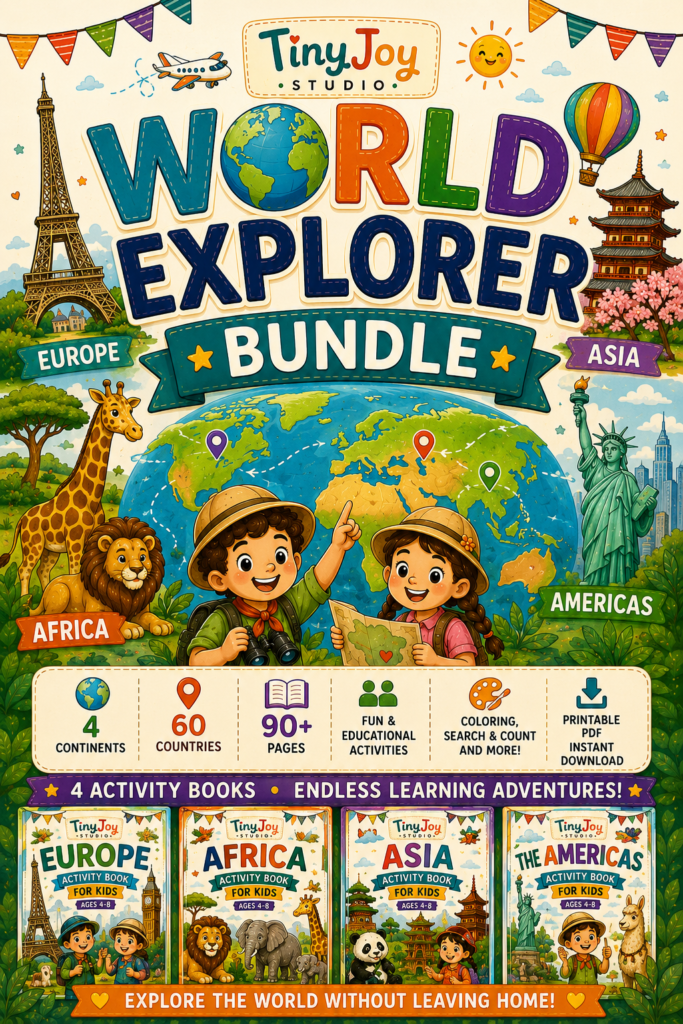
When families understand how geography helps children understand the world, they can create more opportunities for exploration, discovery, and lifelong learning at home.
Conclusion
Geography helps children understand far more than maps and locations.
It teaches cultural awareness, encourages curiosity, develops critical thinking, and helps children appreciate the incredible diversity of our world.
Most importantly, geography helps children see how people, places, and environments are connected.
When children learn about the world, they gain knowledge, perspective, and curiosity that can benefit them throughout their lives.
And sometimes, a simple map can become the beginning of a lifelong journey of discovery.