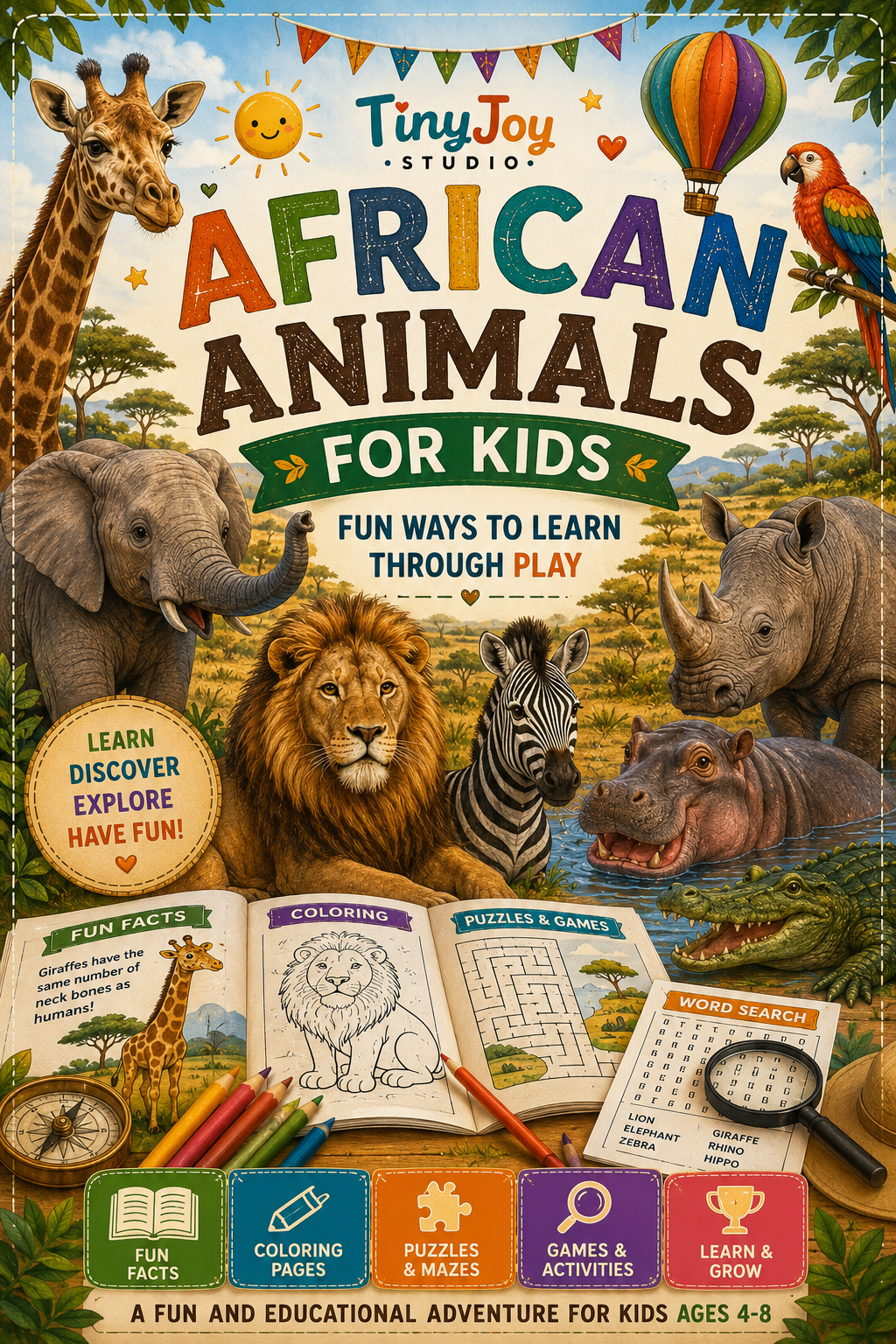
African Animals for Kids: Fun Ways to Learn Through Play
African animals for kids provide an exciting way to combine learning, creativity, and exploration while helping children discover some of the world’s most fascinating wildlife.
Children are naturally fascinated by animals. From a young age, they love learning about creatures that roar, run, climb, swim, and explore the world around them. Animals spark curiosity, imagination, and excitement in a way that few other topics can.
That is why animal-themed learning activities are so effective. When children are interested in a topic, they are more likely to stay engaged, ask questions, and remember what they learn.
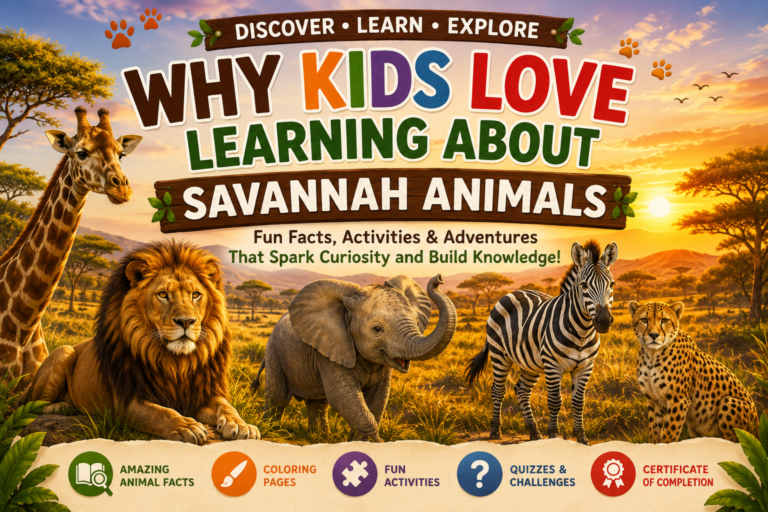
African animals are especially exciting because they introduce children to some of the most famous and fascinating creatures on Earth. Through fun activities, coloring pages, games, and interesting facts, children can learn about wildlife while developing important educational skills.
Let’s explore why learning about African animals can be such a valuable experience for young learners.
1. Why Kids Naturally Love Animals
Animals capture children’s attention because they are exciting, unique, and full of surprises.
A child may wonder why giraffes have such long necks, how elephants use their trunks, or why zebras have stripes. These questions encourage exploration and help children develop a love of learning.
Unlike many educational subjects that can feel abstract, animals are easy for children to connect with emotionally. They can imagine the animals, draw them, color them, and even pretend to be them during play.
This natural interest creates a strong foundation for learning.
2. African Animals Introduce Children to a New World
Africa is home to some of the world’s most recognizable animals.
Learning about African animals for kids can also introduce important geography concepts, habitats, and ecosystems in an engaging and memorable way.
Lions, elephants, giraffes, zebras, rhinoceroses, hippopotamuses, crocodiles, and gorillas are all incredible creatures that children love to discover. Learning about these animals helps children understand that different parts of the world have unique wildlife and environments.
As children learn where animals live, what they eat, and how they survive, they begin building an understanding of habitats, ecosystems, and geography.
In this way, animals become a gateway to learning about the wider world.
3. Learning Animal Facts Improves Memory
Children often remember information more easily when it is connected to something interesting.
Fun animal facts can help children develop memory skills while expanding their knowledge.
For example, children may be fascinated to learn that a giraffe’s tongue can be incredibly long, that elephants communicate through sounds and vibrations, or that lions live in groups called prides.
Interesting facts create memorable learning moments that encourage children to keep exploring and asking questions.
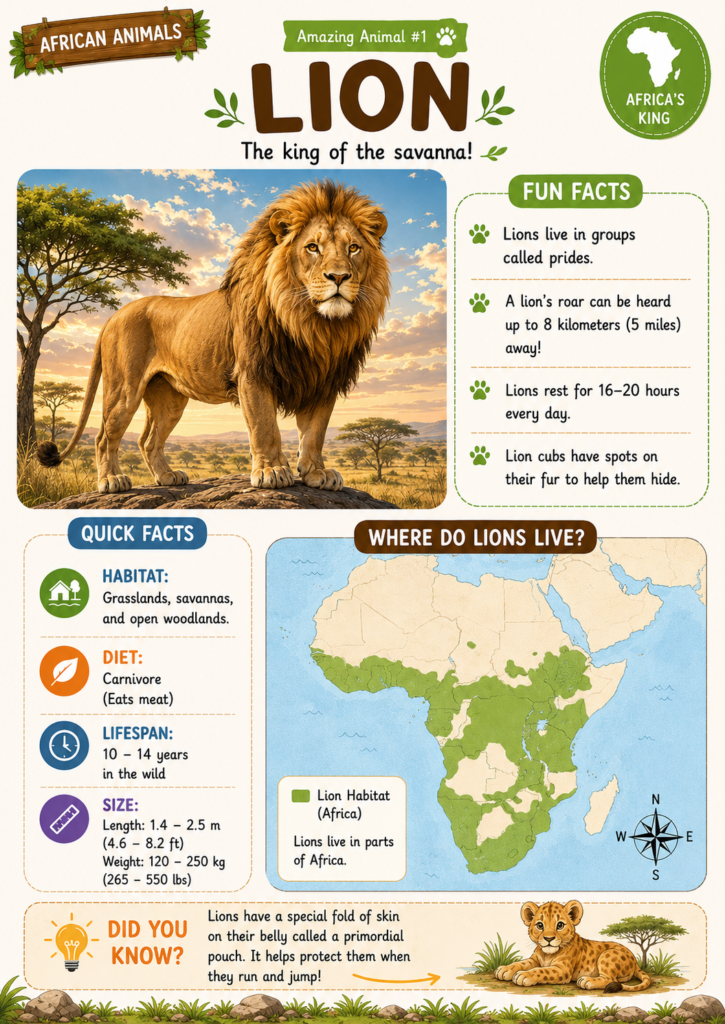
4. Coloring Animals Builds Important Skills
Coloring is one of the simplest yet most valuable learning activities for children.
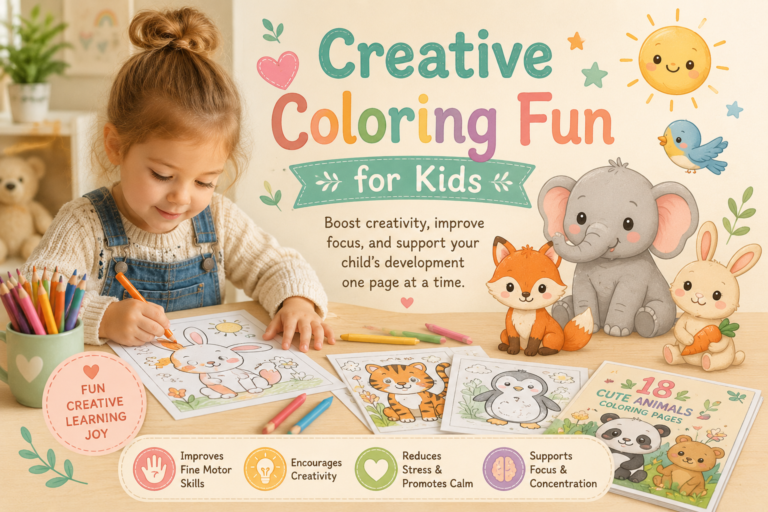
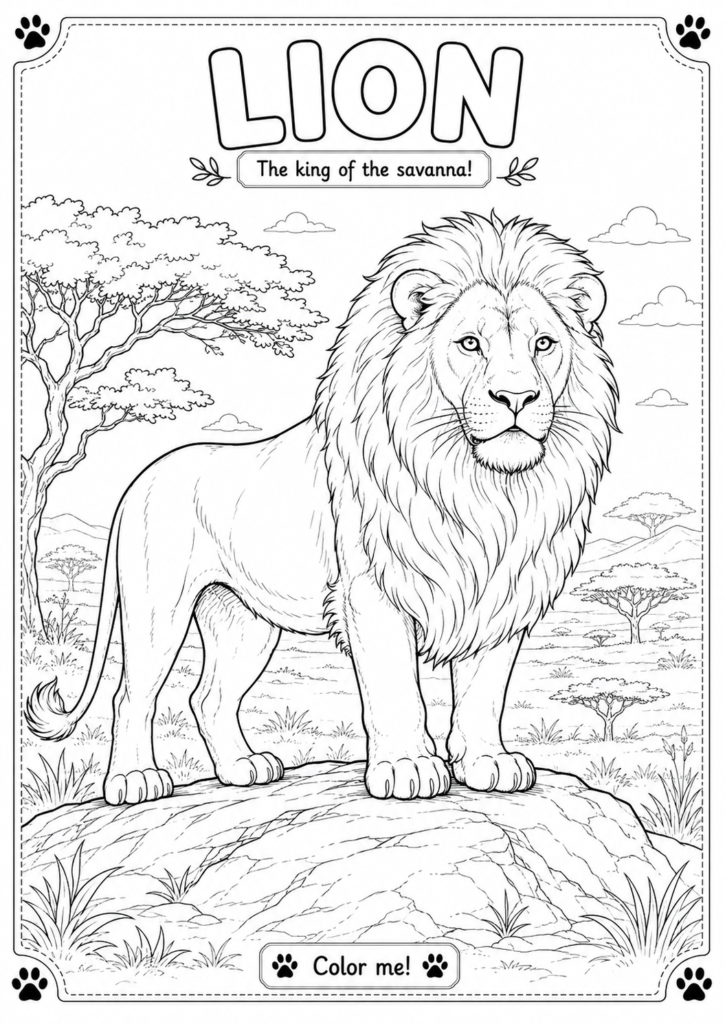
When children color animals, they strengthen fine motor skills, improve hand-eye coordination, and practice concentration. Coloring also encourages creativity as children choose colors and bring pictures to life.
At the same time, children become more familiar with the appearance and characteristics of different animals.
This combination of creativity and education makes coloring an excellent learning tool.
5. Animal Activities Make Learning More Engaging
Children learn best when they actively participate.
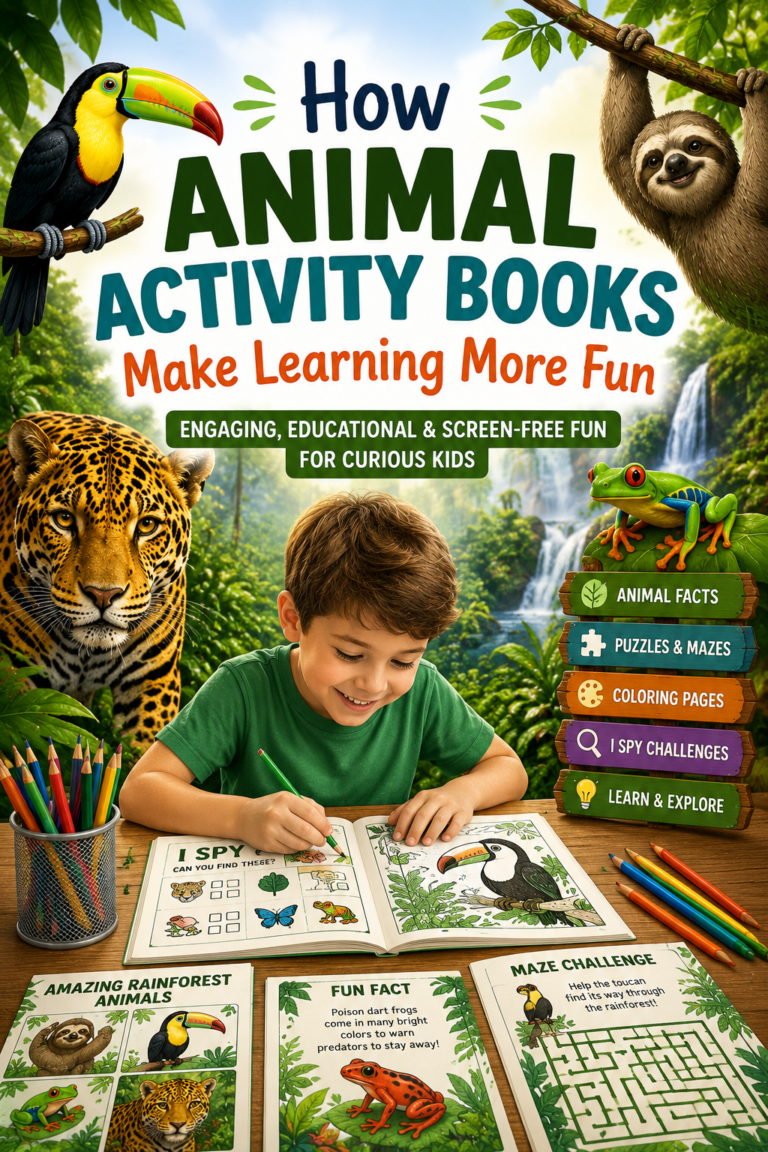
Activities such as mazes, word searches, matching games, puzzles, spot-the-difference challenges, and counting exercises help transform learning into an adventure.
These activities encourage critical thinking, problem-solving, observation, and attention to detail.
Instead of simply reading information, children interact with what they are learning and become part of the experience.
Learning through play often leads to stronger engagement and better retention.
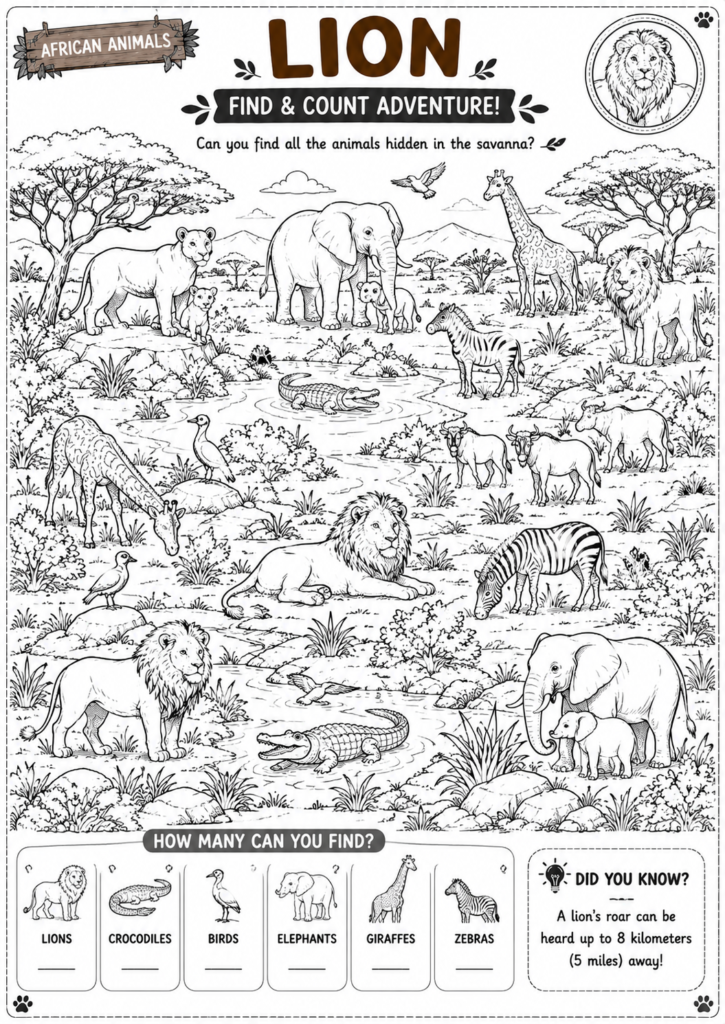
6. African Animals Can Inspire Geography Learning
Animals provide a wonderful introduction to geography.
When children discover where lions, elephants, gorillas, and hippos live, they begin learning about Africa’s landscapes, climates, and regions.
Maps become more meaningful when they are connected to animals children already love.
This natural connection helps children develop global awareness and curiosity about different countries and continents.
Learning about wildlife can become the first step toward exploring the world.
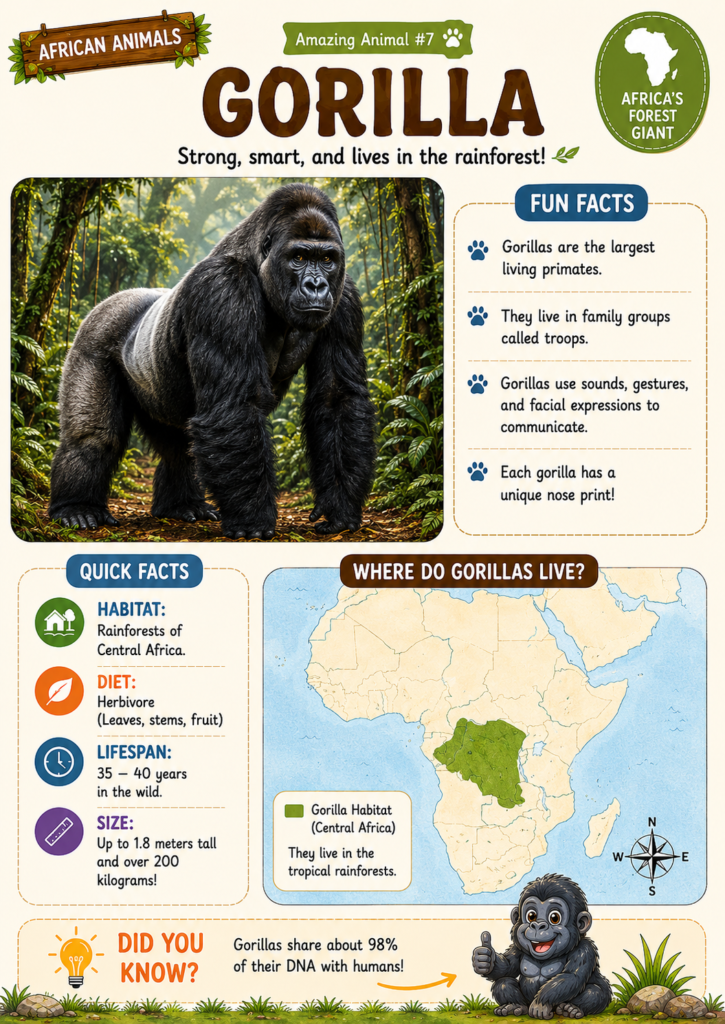
Educational Resources for Young Animal Explorers
If your child enjoys animals, educational activity books can make learning even more exciting.
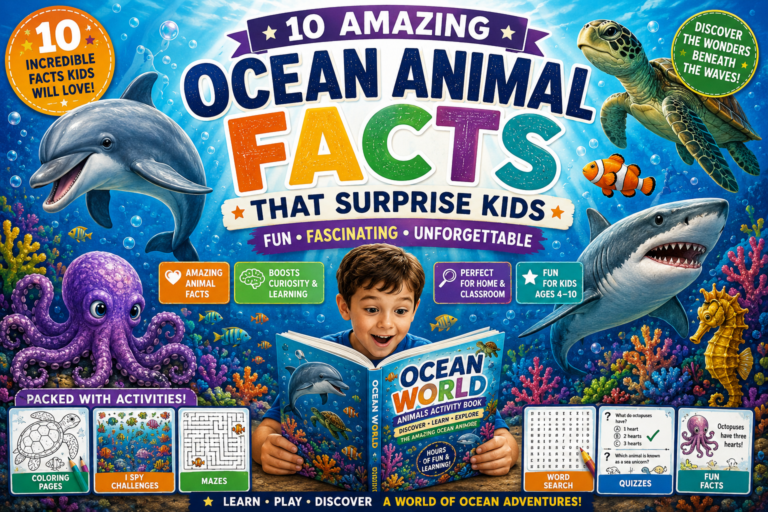
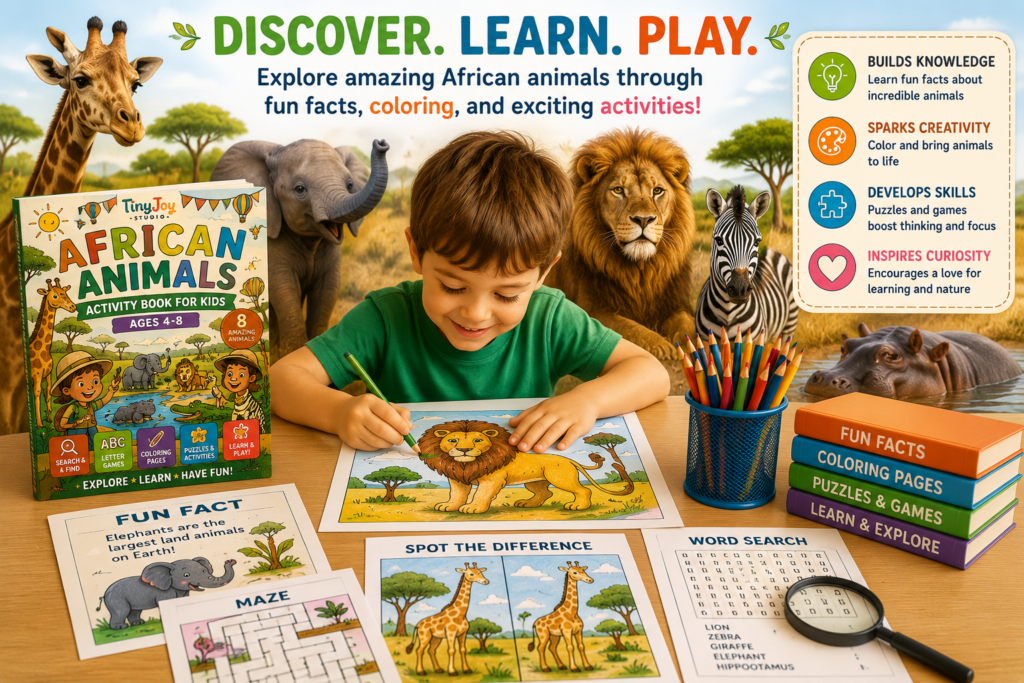
Our African Animals Activity Book introduces children to amazing African wildlife through fun facts, coloring pages, puzzles, mazes, word games, and interactive activities. Young learners can discover lions, elephants, giraffes, zebras, rhinoceroses, hippopotamuses, crocodiles, and gorillas while building important educational skills through play. The book combines learning, creativity, and exploration in a way that keeps children engaged and curious.
These types of activities help transform animal learning into a memorable educational adventure that children genuinely enjoy.
You May Also Enjoy
- Countries of the World for Kids
- Creative Learning Activities for Kids
- Fun Coloring Worksheets for Kids
- Why Learning Geography Through Play Is Best for Kids
Conclusion
Animals have a special way of inspiring curiosity and excitement in children.
Through learning about African animals, children can develop knowledge, creativity, critical thinking, and a deeper understanding of the natural world.
Whether they are coloring a lion, solving a maze, learning a fun fact, or discovering where elephants live, every activity becomes an opportunity to learn.
Exploring African animals for kids helps children build curiosity, knowledge, and a deeper appreciation for nature and wildlife around the world.
Most importantly, animal-themed learning helps children see education as an adventure—one filled with discovery, imagination, and fun.