Why Educational Games Help Kids Learn Better: The Science Behind Play-Based Learning
Introduction
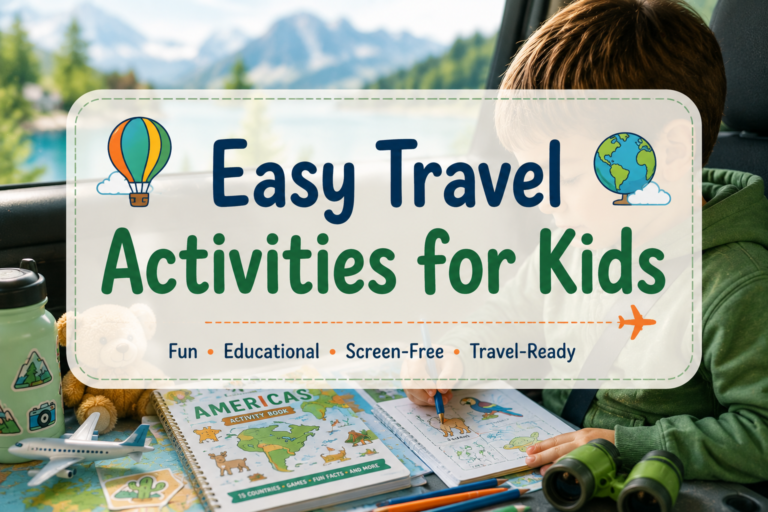
Geography activity books for kids are becoming one of the most engaging ways to combine learning with play. Instead of memorizing facts, children explore the world through puzzles, maps, games, and creative challenges.
Every parent wants their child to enjoy learning. Yet many traditional lessons can quickly become repetitive, leaving children distracted or unmotivated. Worksheets filled with memorization often feel like chores rather than exciting opportunities to discover something new.
Educational games offer a different approach.
Instead of asking children to memorize facts, they encourage exploration, curiosity, creativity, and problem-solving. Whether children are completing puzzles, solving challenges, matching pictures, coloring maps, or answering fun quizzes, they’re actively participating in the learning process instead of simply receiving information.
This difference may seem small, but it changes the entire experience.
When children enjoy what they’re doing, they naturally spend more time learning. They become curious enough to ask questions, eager to finish activities, and excited to see what comes next. Learning transforms from something they have to do into something they want to do.
That is one of the biggest reasons educational games have become so popular in classrooms, homeschooling, and family learning at home.
Looking for fun geography activities?
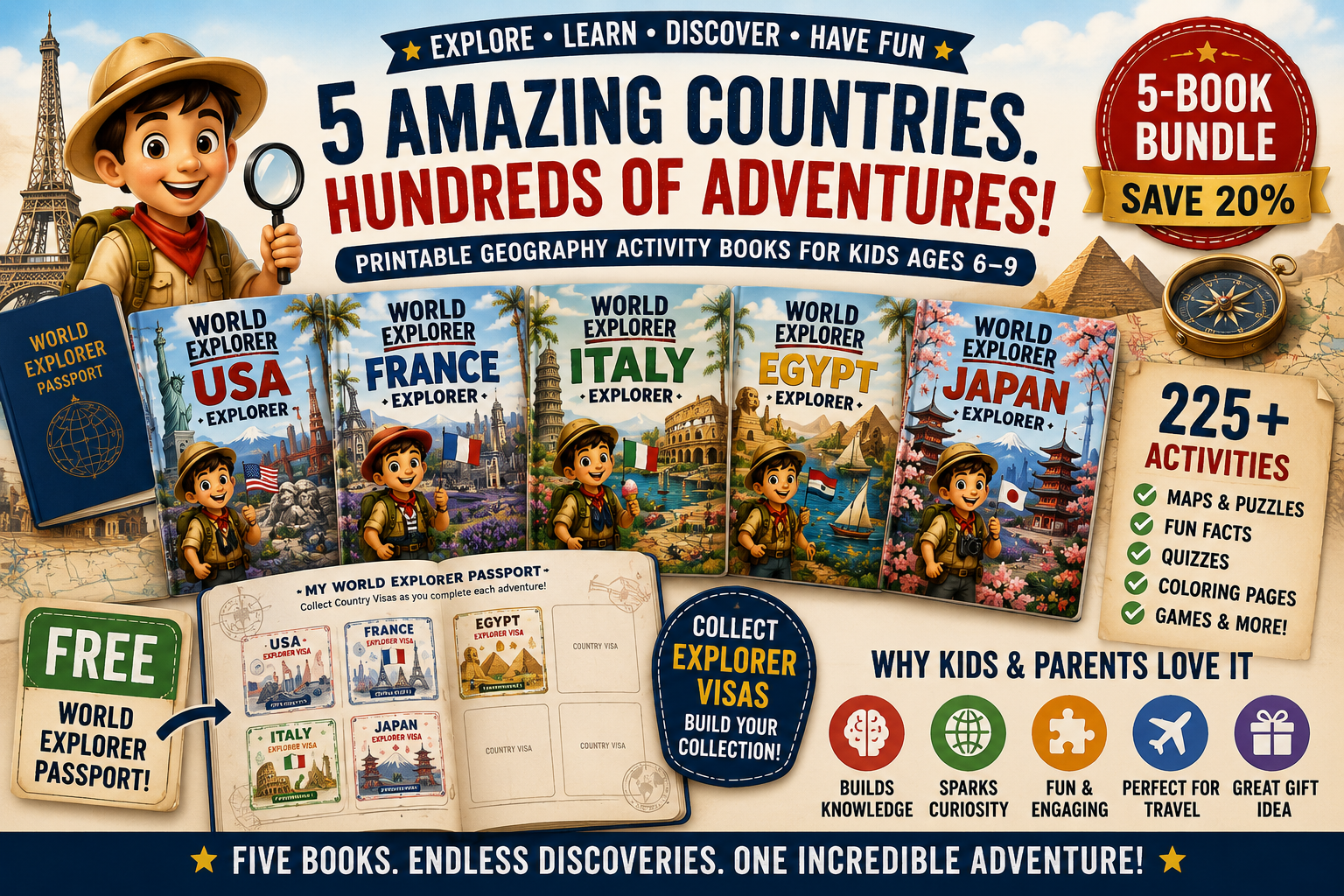
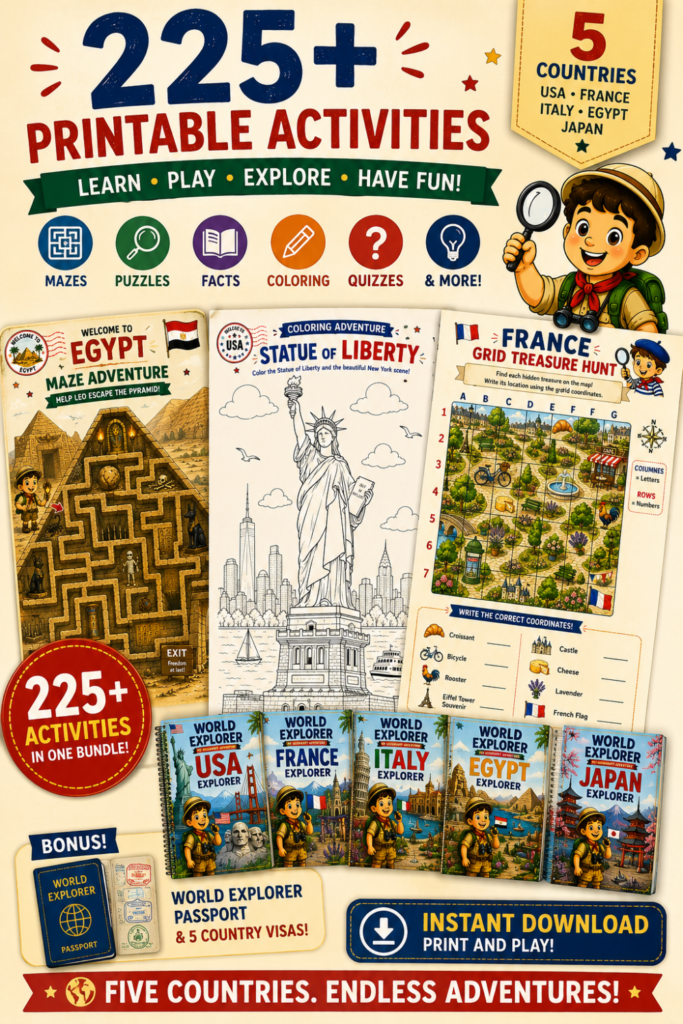
If you’re looking for practical examples of educational games, explore our Geography Activity Books Bundle for Kids, featuring five printable country adventures packed with maps, puzzles, quizzes, coloring pages, and creative learning activities.
👉 Read: Geography Activity Books Bundle for Kids
Learning Feels Different When It Looks Like Play
Children are naturally curious. Long before they learn to read, they explore the world by touching, building, asking questions, and experimenting. Play is how young minds discover patterns, solve problems, and understand new ideas.
Educational games build on this natural instinct.
Instead of presenting information in long paragraphs, they invite children to interact with it. A geography lesson might become a treasure hunt. A history lesson might become a mystery to solve. A vocabulary lesson might become a matching game.
Because children are actively involved, learning feels much less like studying.
Games also create something that traditional worksheets often don’t—immediate feedback. Every completed puzzle, every correct answer, and every finished challenge provides a small sense of achievement. These small successes encourage children to continue instead of giving up.
Many educational activities also include different types of learning at the same time. A single printable page might combine reading, observation, logical thinking, creativity, and problem-solving without children even noticing how many skills they’re practicing.
This active participation helps information become more meaningful and memorable than simply reading facts from a textbook.
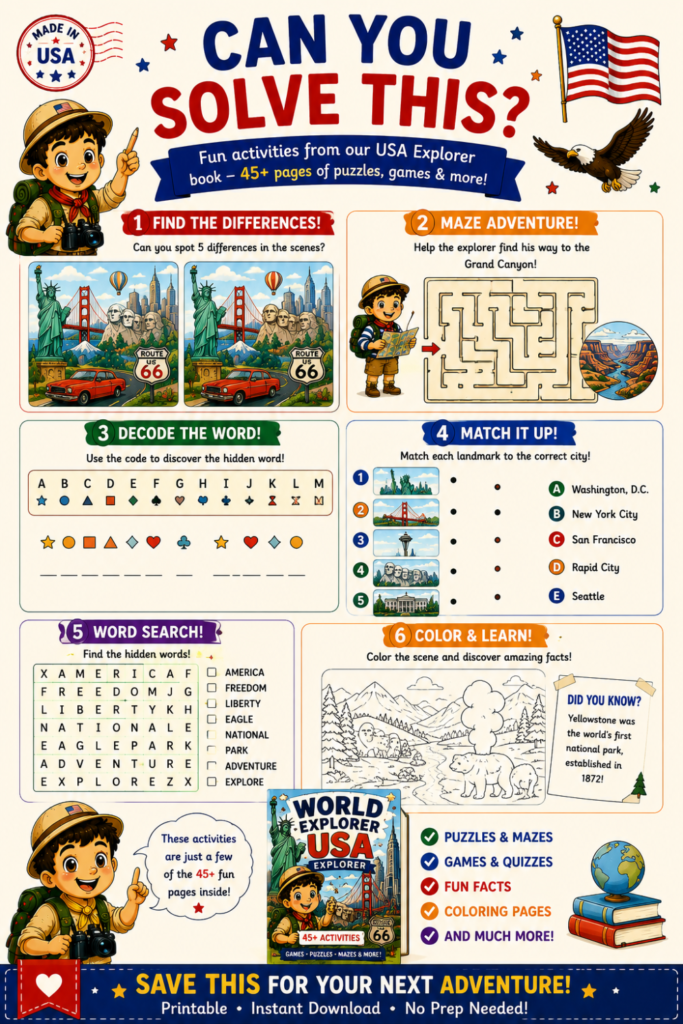
Educational Games Turn Practice Into Adventure
One of the greatest strengths of educational games is that they replace repetition with exploration.
Instead of completing the same type of exercise over and over, children encounter new challenges on every page. Each activity feels like another step in an adventure rather than another assignment to finish.
For example, educational games might include:
- map challenges;
- word searches;
- matching games;
- coloring pages;
- hidden object activities;
- spot-the-difference puzzles;
- mazes;
- quizzes;
- creative drawing prompts;
- simple logic challenges.
Each activity teaches a different skill while keeping children interested.
A map challenge encourages spatial thinking. A puzzle strengthens problem-solving. A quiz reinforces newly learned facts. Coloring helps children pay attention to details while creating positive emotional connections with the topic.
Because every page feels different, children remain engaged for much longer than they typically would with traditional workbook exercises.
Rather than asking,
«Do I have to finish another worksheet?»
many children begin asking,
«What’s the next challenge?»
That shift in attitude is one of the biggest advantages of learning through play.
Educational games make geography activity books for kids much more engaging than traditional worksheets because they encourage exploration instead of memorization.
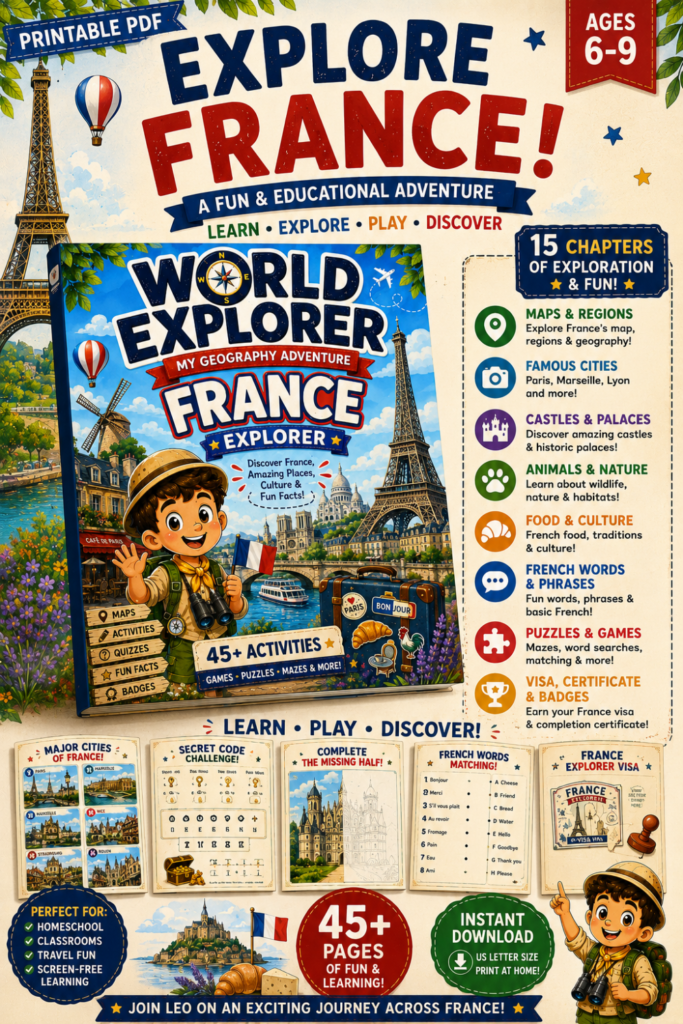
Why Children Stay Motivated Longer When Learning Feels Like a Game
One of the biggest challenges parents and teachers face is keeping children motivated over time.
Many learning resources start strong but quickly lose a child’s attention because every page looks the same. When children know exactly what to expect, curiosity begins to disappear.
Educational games solve this problem by introducing variety.
One page may ask children to solve a maze.
The next challenges them to match landmarks with countries.
Another encourages them to search for hidden objects, decode secret messages, or color famous places from around the world.
Because each activity feels different, children remain interested and excited to continue.
This creates a powerful learning cycle:
- Curiosity encourages children to begin.
- Small challenges keep them focused.
- Completing activities builds confidence.
- Success creates motivation to continue.
Instead of feeling overwhelmed by large amounts of information, children experience many small victories along the way.
These moments of accomplishment may seem simple, but together they build confidence, independence, and a positive attitude toward learning.
Why Geography Is One of the Best Subjects for Play-Based Learning
Some school subjects naturally fit educational games better than others, and geography is one of the best examples.
Countries are filled with fascinating landmarks, colorful flags, unique animals, traditional foods, famous people, languages, and exciting cultures.
Rather than memorizing lists of capitals, children can discover each country through stories, maps, puzzles, and creative challenges.
Imagine learning about Italy by finding the Leaning Tower of Pisa on a map.
Or discovering Japan while matching traditional symbols.
Or exploring Egypt by solving pyramid-themed puzzles.
Instead of simply reading about the United States, children might search for national parks, famous landmarks, or state symbols.
Every activity adds another piece to the bigger picture.
As children continue exploring different countries, they begin noticing patterns, comparing cultures, recognizing continents, and understanding how diverse our world really is.
Without realizing it, they’re building global awareness while simply enjoying the adventure.
Discover geography through real adventures
Want to see how geography becomes an exciting adventure?
Our Geography Through Adventure guide explains why exploring countries through stories, games, and hands-on activities helps children stay curious and remember more.
👉 Read: Geography Through Adventure
Turning Geography Into an Adventure
The most memorable learning experiences usually tell a story.
Children enjoy feeling like explorers, detectives, scientists, or adventurers.
Educational games naturally support this kind of imagination.
Rather than completing isolated worksheets, children begin following a journey.
Each completed puzzle unlocks another discovery.
Each finished page represents another step forward.
Instead of asking children to study geography, we invite them to explore the world.
That small difference changes everything.
When children believe they are going on an adventure, motivation comes naturally.
Curiosity replaces pressure.
Discovery replaces memorization.
Confidence replaces frustration.
Learning becomes something children genuinely look forward to.
A Real Example: The World Explorer Series
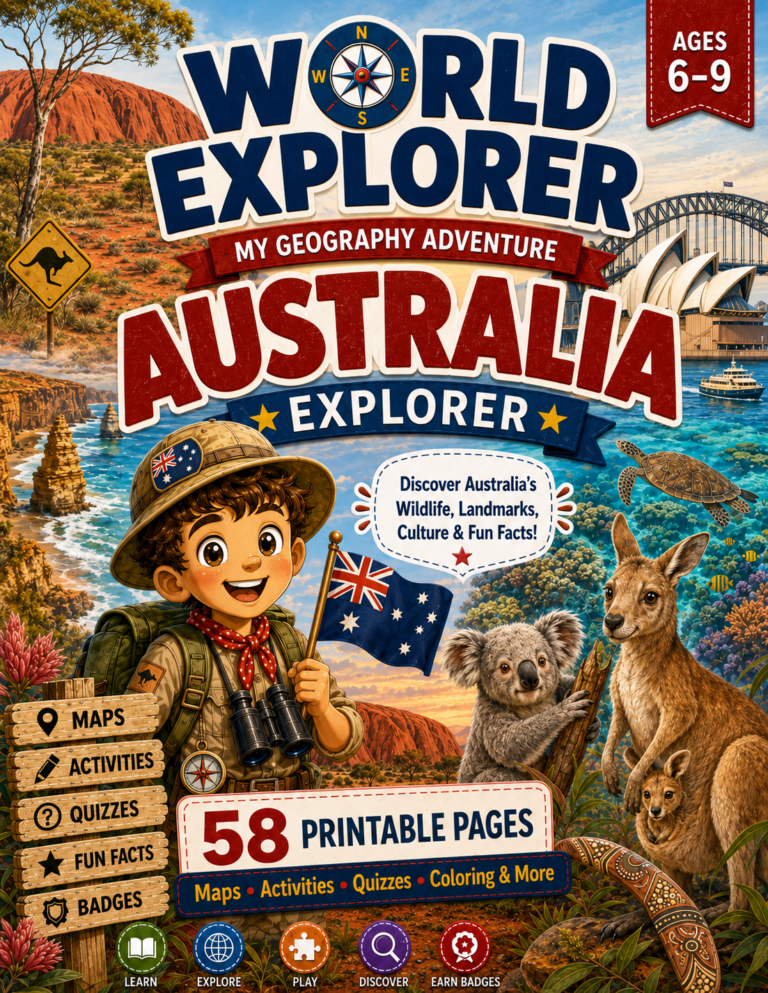
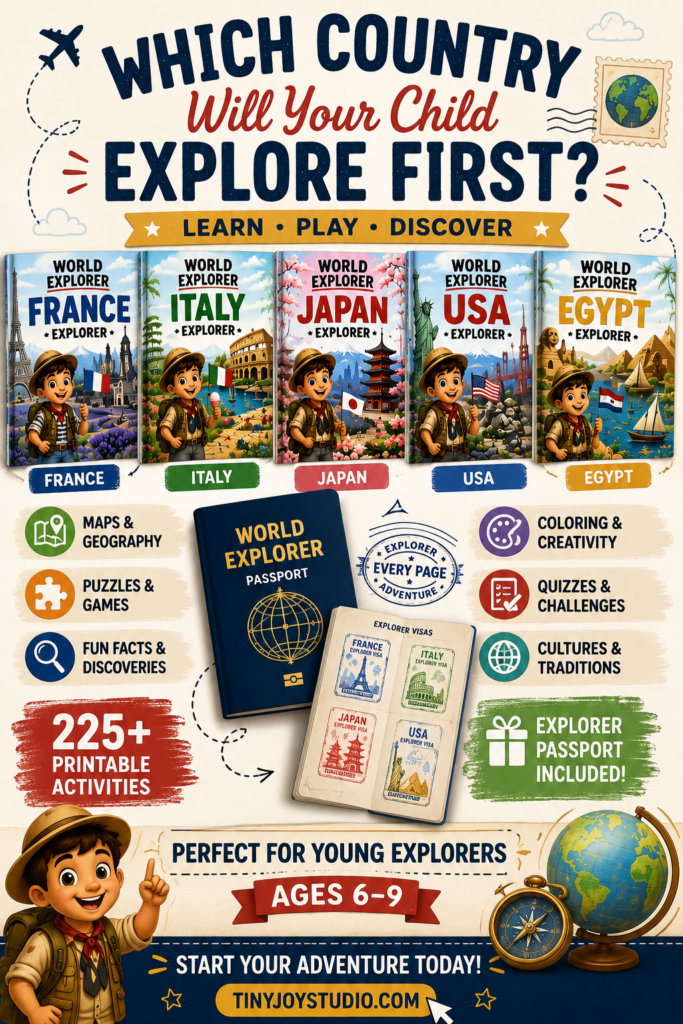
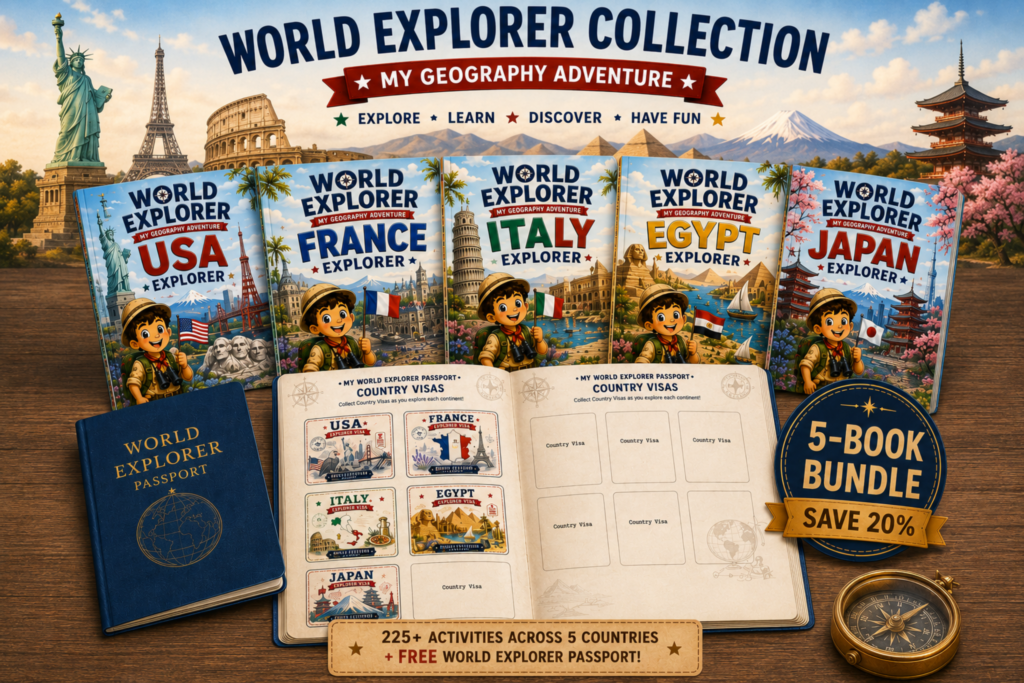
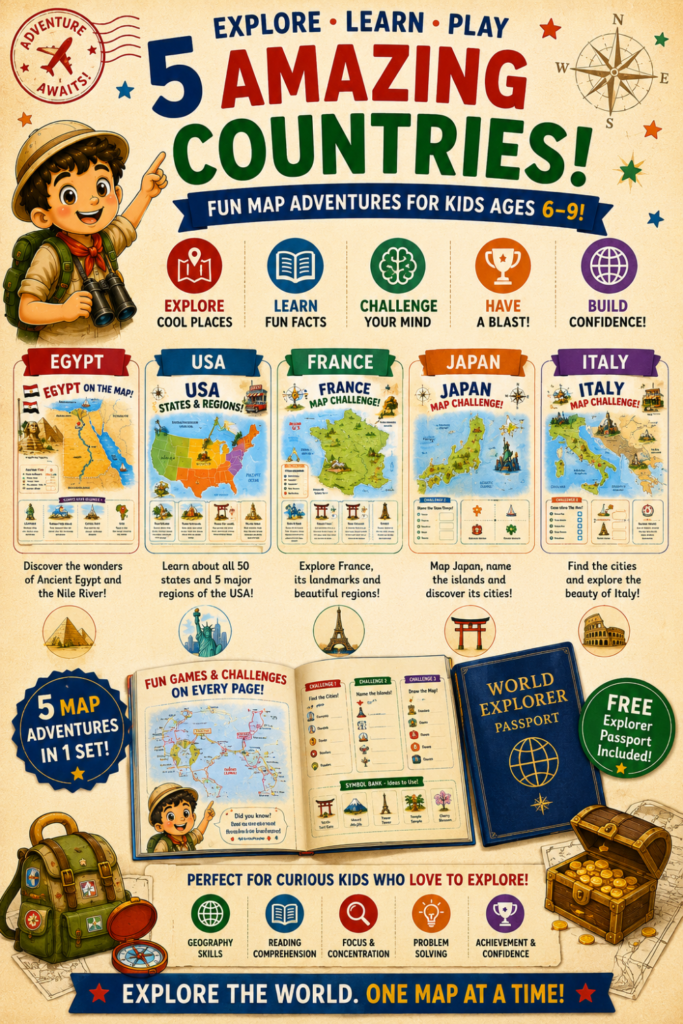
One example of this play-based approach is the World Explorer Series, a growing collection of printable geography activity books designed for curious children ages 6–9.
Instead of focusing on memorization, each country invites children to discover geography through games, puzzles, maps, coloring pages, quizzes, and creative challenges.
Young explorers can currently travel through:
- 🇫🇷 France
- 🇮🇹 Italy
- 🇯🇵 Japan
- 🇺🇸 United States
- 🇪🇬 Egypt
Want to learn more about each destination?
Explore our complete country guides:
🇺🇸 USA for Kids
Every country follows the same adventure-based format while introducing completely different cultures, landmarks, traditions, wildlife, and geography.
Rather than simply finishing another workbook, children feel like they’ve completed another exciting journey around the world.
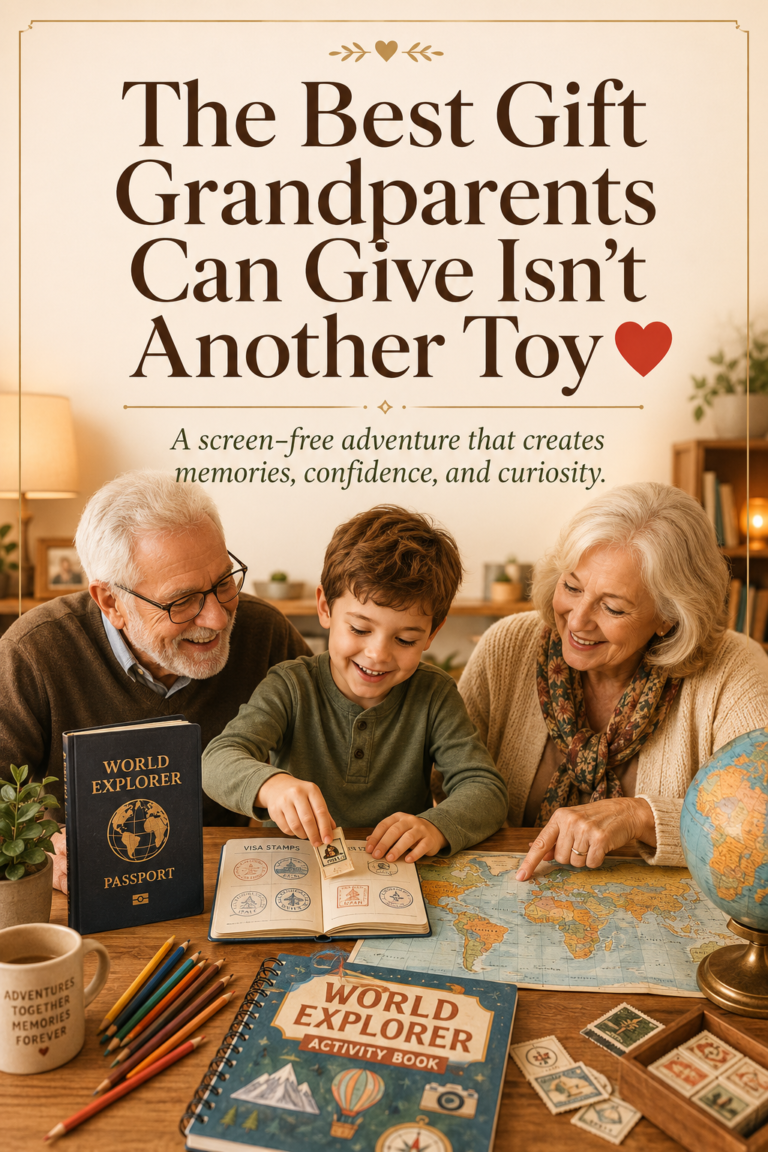
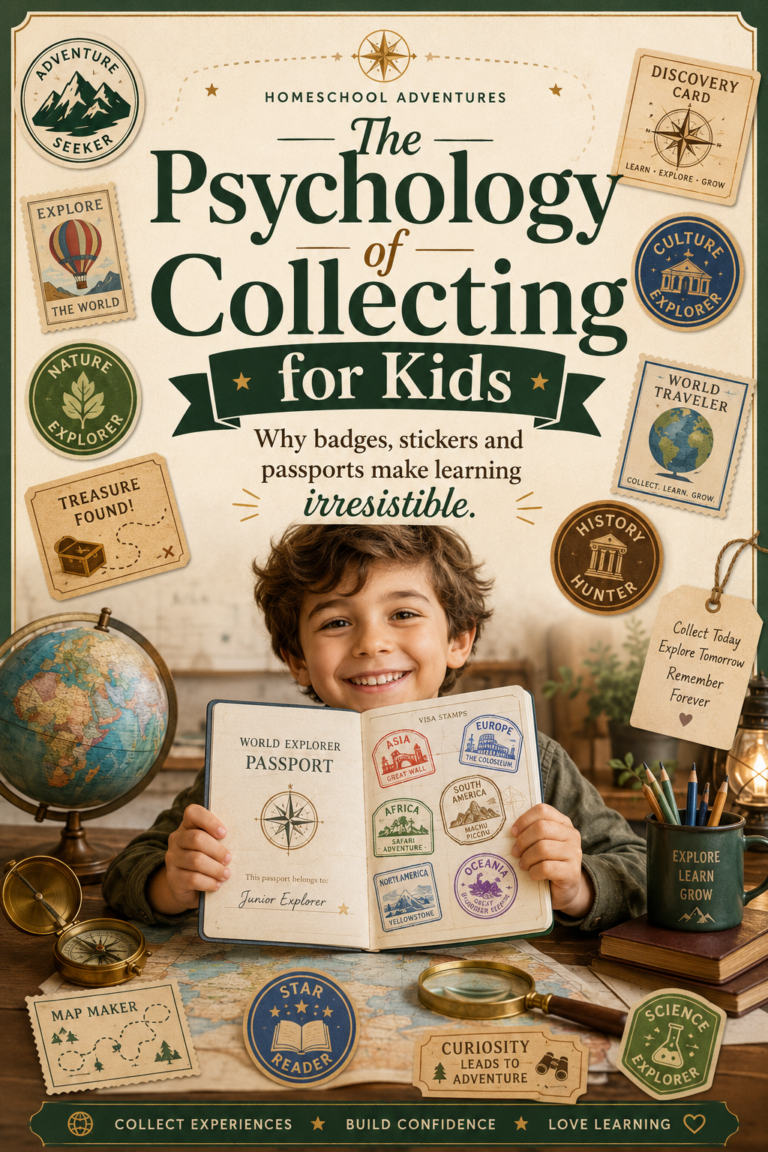
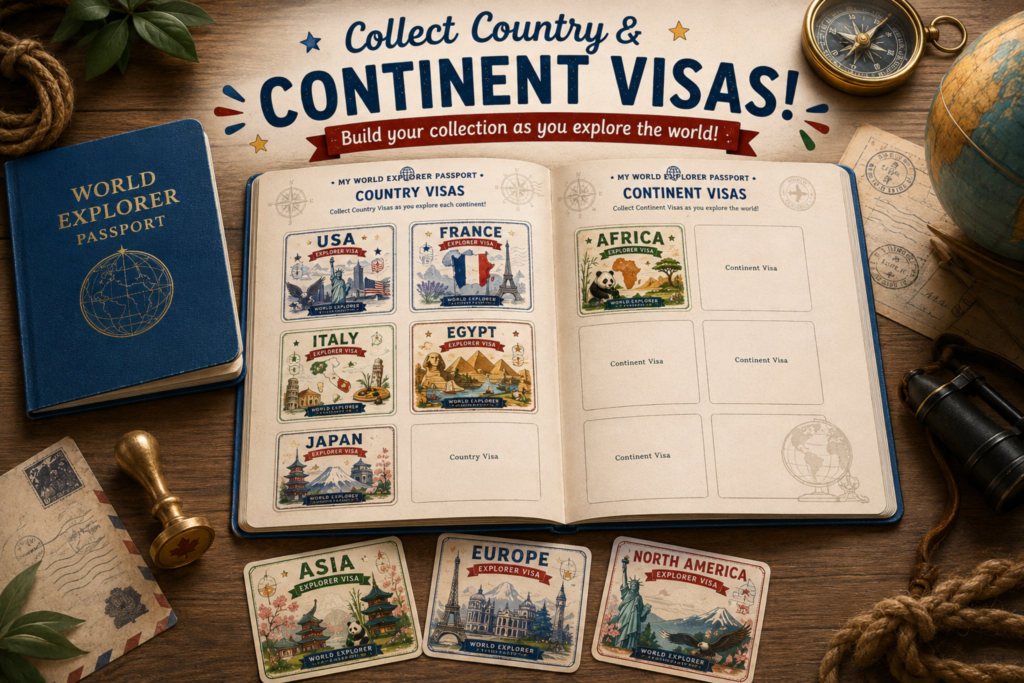
One of the most popular features is the World Explorer Passport.
After completing each country, children earn an official Explorer Visa that can be added to their printable passport.
Turn learning into a collection
Collecting Explorer Visas makes geography feel like a real journey.
Learn how our printable World Explorer Passport encourages children to stay motivated while exploring new countries.
👉 Read: Why Kids Love Collecting: How Explorer Passports Turn Learning Into an Adventure
This simple reward transforms individual activity books into one continuous adventure, encouraging children to keep exploring new destinations and celebrating every achievement along the way.
Learning That Children Actually Want to Continue
One of the greatest compliments parents can receive is hearing their child ask,
«Can we do another page?»
Instead of,
«Do I have to study?»
Educational games don’t remove learning—they simply change how children experience it.
By combining curiosity, creativity, exploration, and achievable challenges, they help children stay engaged longer while developing important academic and problem-solving skills.
Whether the goal is learning geography, practicing reading, strengthening observation, or simply encouraging curiosity about the world, play-based learning creates an environment where children feel confident enough to keep discovering.
And perhaps that’s the greatest lesson of all.
When learning feels like an adventure, children don’t just remember more.
They begin to love learning itself.
Looking for more screen-free learning ideas?
Explore our guide to Educational Summer Activities for Kids, where you’ll find creative ways to keep children learning through play at home or on vacation.
👉 Read: Educational Summer Activities for Kids
Final Thoughts
Educational games are far more than a way to keep children entertained.
When thoughtfully designed, they encourage curiosity, build confidence, strengthen problem-solving skills, and help children connect with new ideas in meaningful ways.
For parents, teachers, and homeschool families, they also offer something equally valuable: a chance to replace pressure with excitement and routine with discovery.
Every puzzle solved, every map explored, and every challenge completed becomes another step toward lifelong learning.
Because in the end, the goal isn’t simply to help children remember facts.
It’s to inspire them to keep asking questions, exploring new places, and discovering just how amazing our world can be.