Interactive Human Geography Activities for Kids: A No-Prep Social Studies Unit
When it comes to teaching early elementary geography, we usually start with the natural world. We spend hours tracing rivers, identifying continents, and marveling at towering mountain ranges. But geography is about so much more than just the Earth itself—it is about the fascinating people who live on it!
For children ages 6 to 9, understanding how society works, how cities grow, and why people move is a critical pillar of their social studies education. However, translating complex topics like economics, infrastructure, and migration into bite-sized, engaging lessons can feel incredibly overwhelming. Finding the right human geography activities for kids can transform abstract sociological concepts into a thrilling investigation of the real world.
As homeschool parents and educators, we desperately want our kids to understand their place in the community. We want them to appreciate different cultures and understand how human beings shape the planet. In this comprehensive guide, we are going to explore the easiest, most interactive ways to teach your kids about population, settlements, transportation, and culture—all without spending your entire weekend doing lesson prep!
1. Start with the Basics: Physical vs. Human Geography
Before diving into the complexities of global communities, young learners need to understand the difference between the two main branches of geography. If physical geography is the «stage,» human geography is the «play» happening upon it.
- Physical Geography: The study of the natural world—mountains, rivers, oceans, climates, and animals. (Things created by nature).
- Human Geography: The study of people, their communities, cultures, transportation, and how they alter the planet. (Things created by humans).
A fantastic way to explain this is to simply look out the window or take a neighborhood walk. Ask your child to play «Geographer Detective.» Point to a cloud or a tree and ask, «Did humans make this, or did nature?» That is physical geography! Point to a road, a passing bus, or a grocery store. «Did humans build this?» That is human geography!
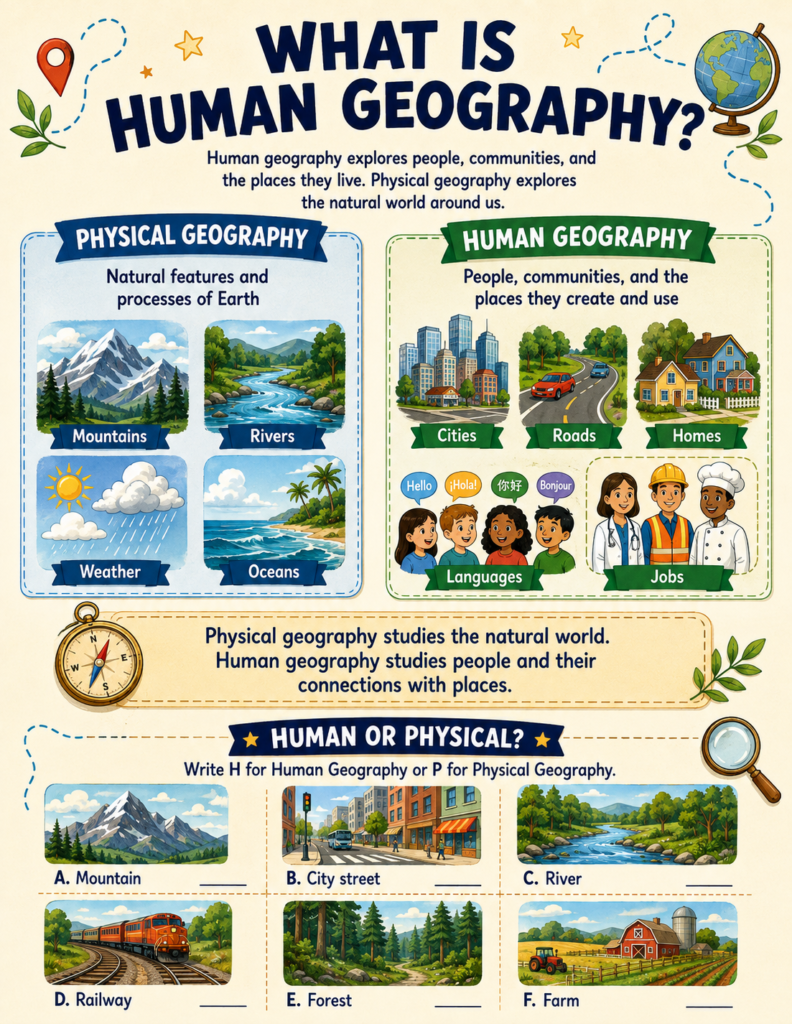
Hands-on Tip: Have your child draw a line down the middle of a piece of paper. On the left side, ask them to draw natural elements (rivers, forests). On the right side, have them draw human elements (bridges, houses). This simple sorting exercise is a brilliant way to introduce project based learning in homeschooling to your weekly routine.
2. Exploring Settlements: From Quiet Villages to Bustling Cities
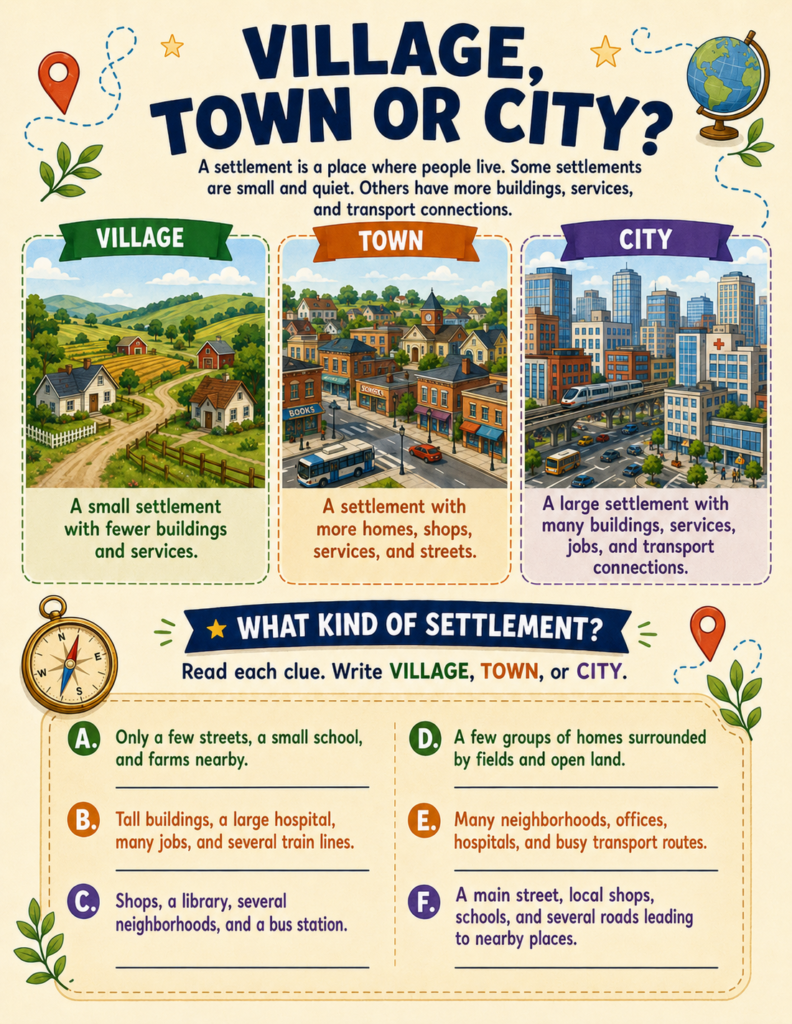
People live in all sorts of environments, and these living spaces are called settlements. Children love to categorize and compare the scale of things, making this a highly engaging topic. Break settlements down into three easily understandable categories:
- Village: A small community with fewer people, open spaces, and often surrounded by nature or farms.
- Town: A medium-sized community with more houses, local schools, and several shops.
- City: A massive, bustling metropolis packed with tall buildings, heavy traffic, and thousands (or millions!) of people.
To make this concept stick, use building blocks or Lego bricks. Start by building three small houses to represent a village. Then, add a school and a clinic to upgrade it to a town. Finally, build towering skyscrapers to create a city! Tactile, play-based strategies are the absolute best way to make learning fun for kids who might otherwise resist textbook work.
3. How Communities Work: Infrastructure and Helpers
No city or town can survive without proper infrastructure. People need places to heal, learn, buy food, and travel.
Sit down with your child and talk about «Community Helpers» and essential buildings. Pose real-life scenarios to them: «If someone breaks their arm, where do they go?» (The clinic or hospital!). «If our family needs fresh vegetables for dinner, where should we drive?» (The local market!).
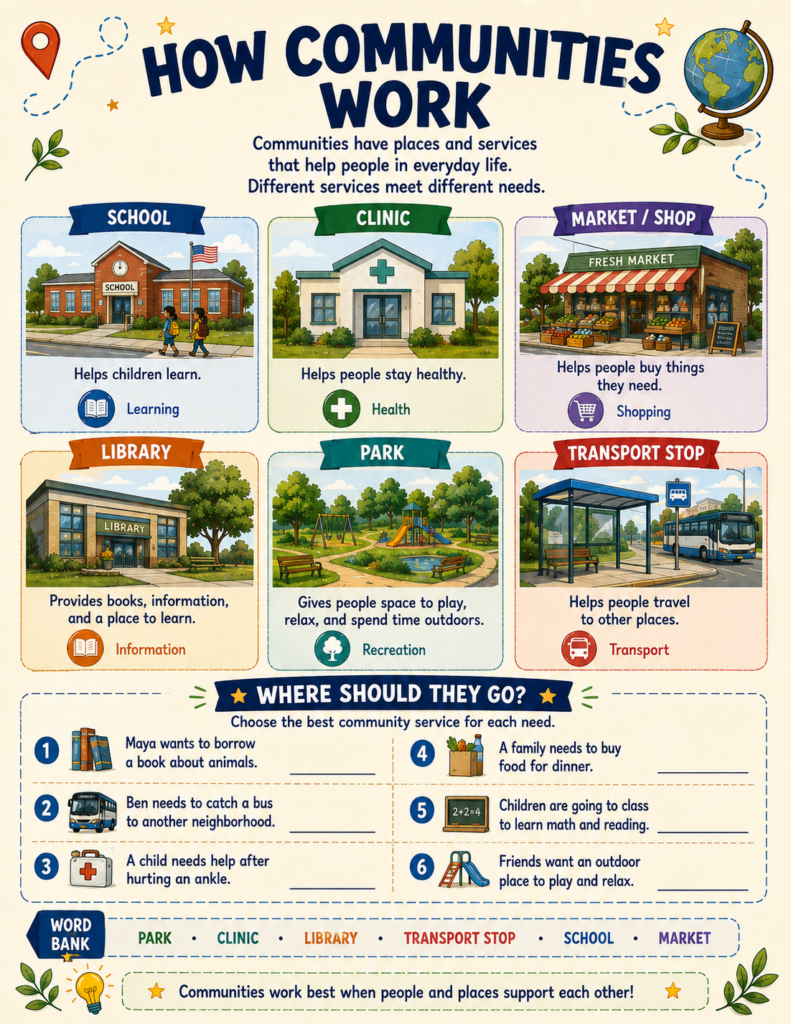
You can also introduce the concept of transportation. Discuss how moving around a village (maybe by bicycle or walking) is vastly different from navigating a massive city (which requires subways, buses, or ferries). If you need quiet, educational entertainment for a rainy afternoon, discussing these community roles makes for perfect screen free weekend activities.
4. Understanding Migration: Why Do People Move?
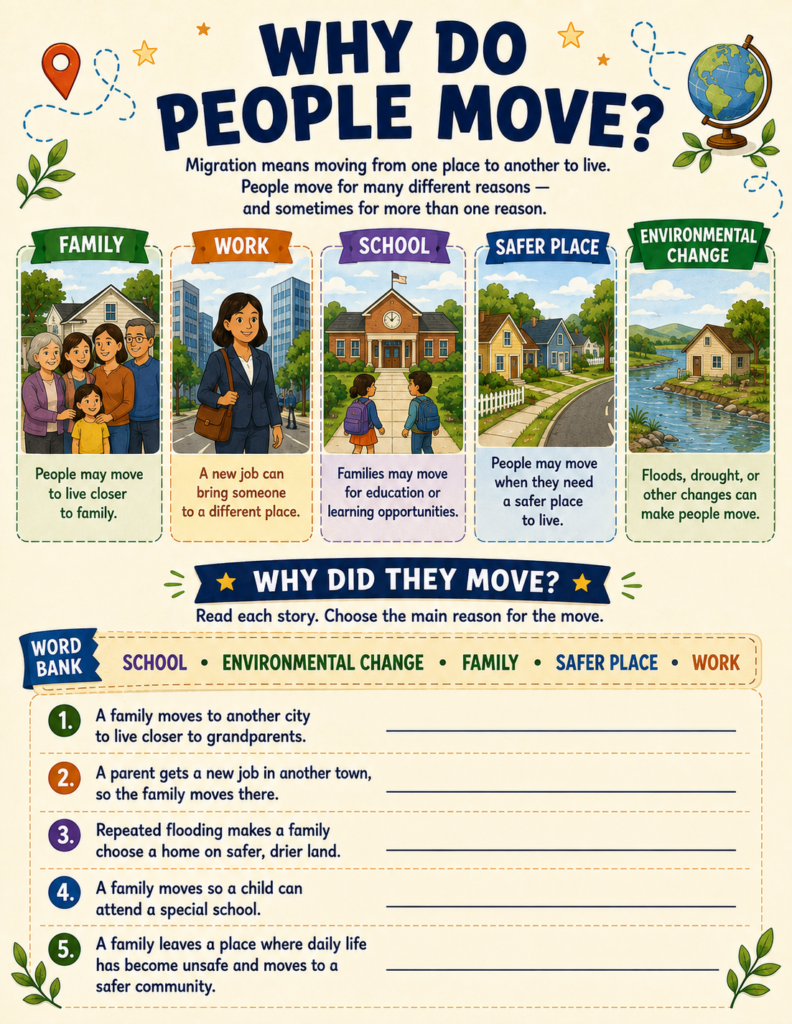
Migration is one of the most profound and important concepts in social studies. Human beings are constantly moving from one neighborhood, city, or country to another. But why?
Instead of having your child memorize facts, invite them to think critically about why a family might pack up their entire home and move somewhere new.
- To be closer to grandparents and family.
- To find a better job or start a new career.
- To attend a better school.
- To escape environmental changes, like a flood or extreme weather.
Teaching children about migration builds an incredible amount of empathy. They begin to realize that every person they meet has a unique backstory and journey. Discussing these global movements is a fundamental step to raise a global citizen who respects diverse cultures and understands the interconnectedness of humanity.
The Ultimate «Open-and-Go» Solution for Parents
We know you want to provide these rich, thought-provoking social studies lessons for your children. But let’s be honest—designing community maps, drawing transportation routes, and creating infrastructure worksheets from scratch is exhausting.
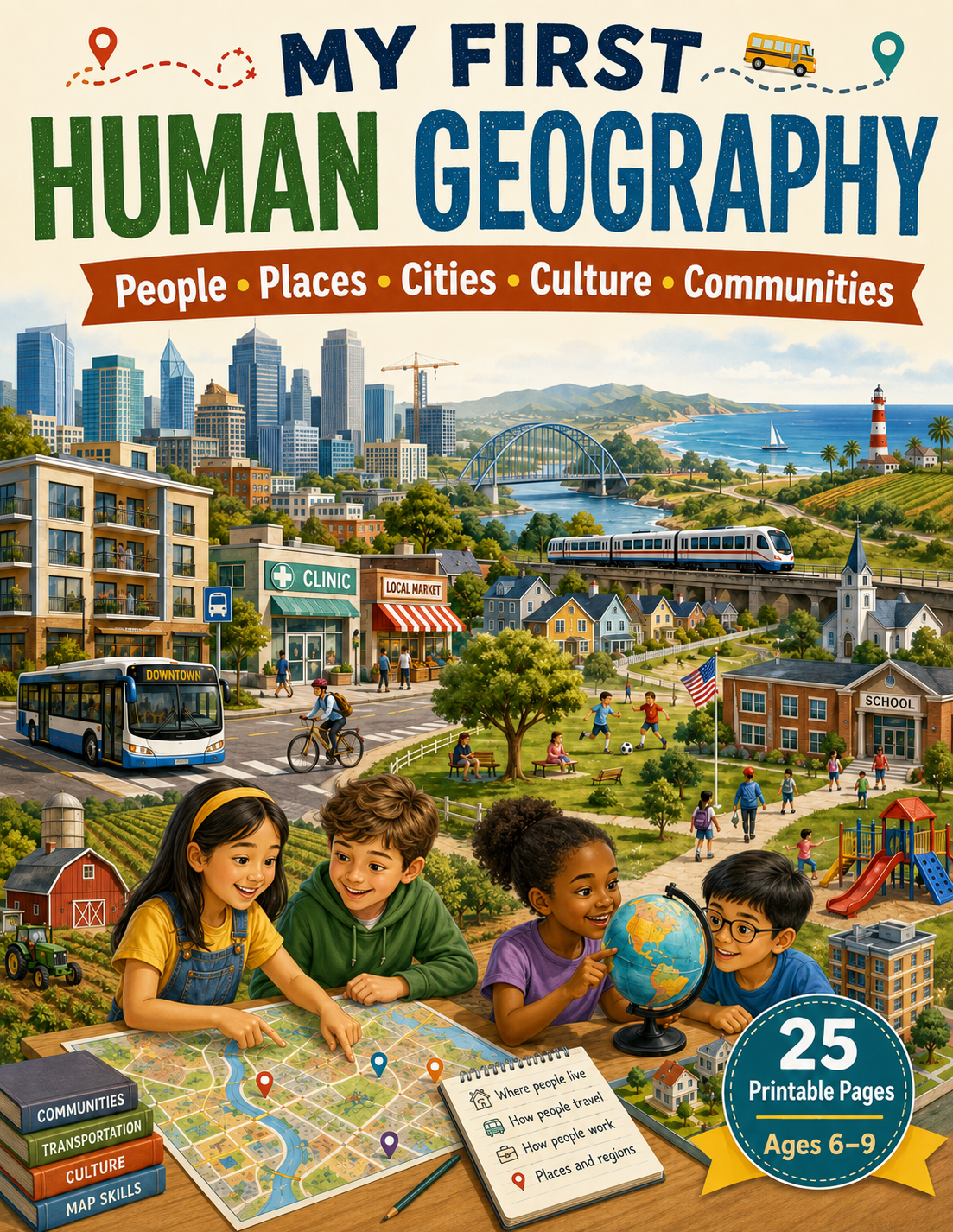
That is exactly why we created the My First Human Geography workbook at Tiny Joy Studio!
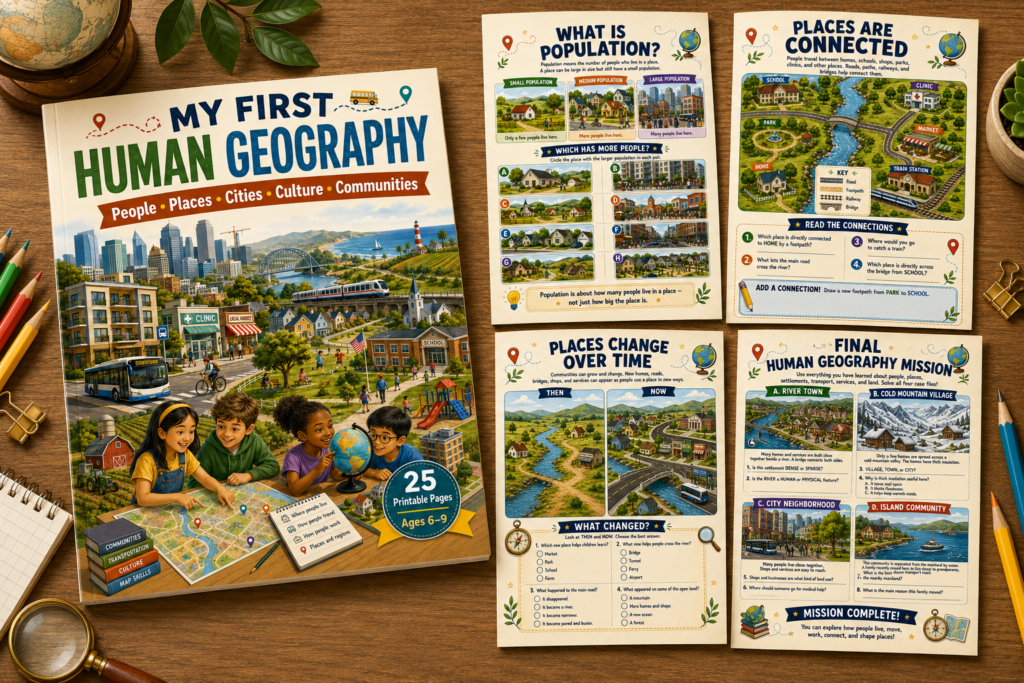
Designed specifically for curious minds ages 6 to 9, this 25-page interactive activity book turns complex sociological concepts into a captivating, easy-to-understand adventure. Inside, your young geographer will:
- Sort and identify physical vs. human geography.
- Analyze population density and settlement types (villages, towns, cities).
- Match community helpers to their essential workplaces.
- Solve transportation mazes and understand why people migrate.
The best part? It is a 100% no-prep curriculum addition. Just print the pages at home, grab some colored pencils, and let your child become a certified Human Geographer!
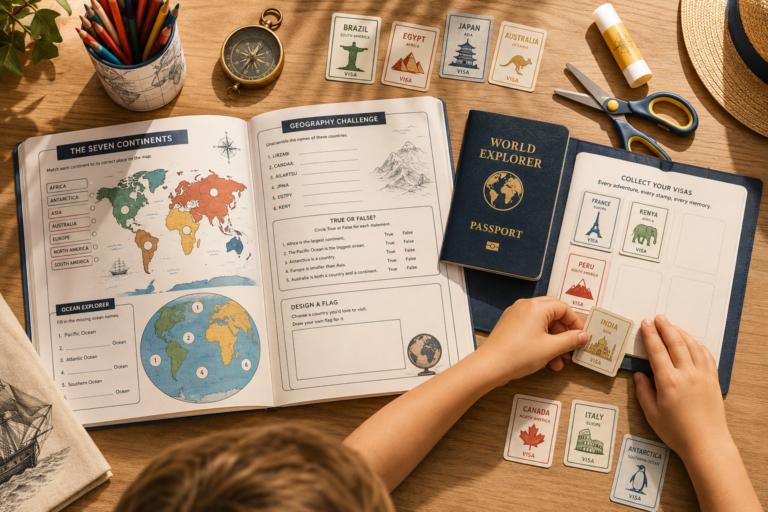
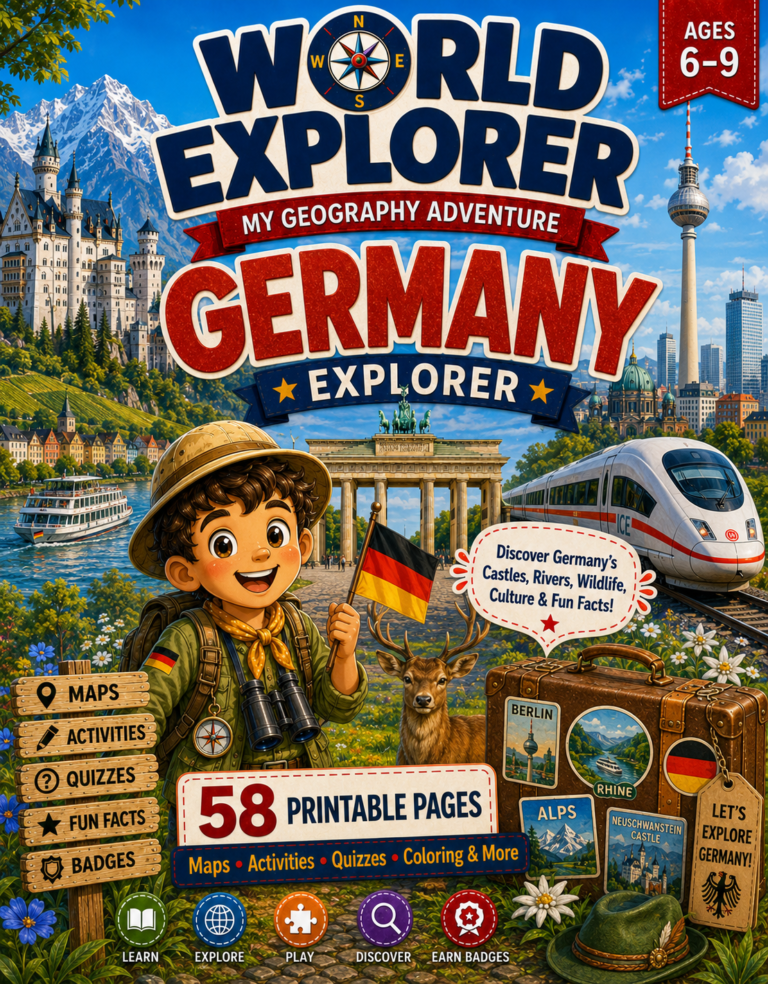
This workbook perfectly complements our World Explorer geography series. Once your child understands how societies work with this book, they can grab their Universal Passport and start earning official visa stamps as they explore real countries around the globe!
Ready to start your social studies adventure today?