How to make learning fun for kids Who Hate School: 5 Proven Strategies
If you are reading this, chances are you are exhausted. The daily battles over homework, the tears of frustration, and the dreaded phrase, “I hate school!” can make any parent feel defeated. But here is the good news: your child doesn’t hate learning; they likely just hate the traditional methods of sitting still, memorizing facts, and filling out endless black-and-white worksheets.
If you want to know how to make learning fun for kids, the secret lies in changing the approach. By blending education with play, you can transform resistance into excitement. Here are five proven strategies to spark joy in a child who currently hates school.
1. Embrace «Stealth Learning» (Education in Disguise)
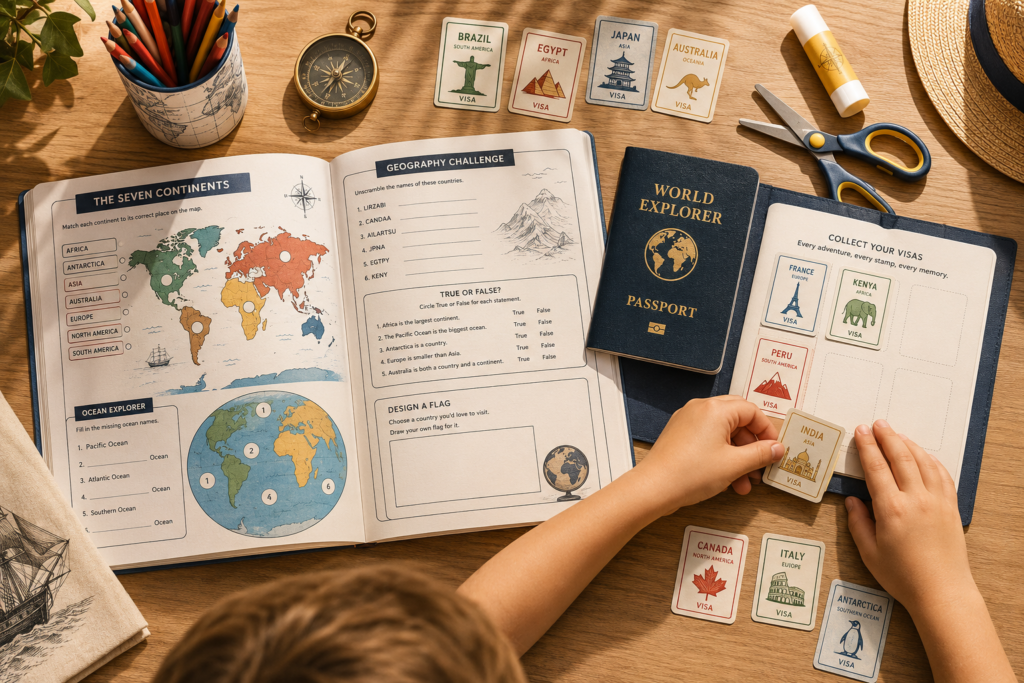
Children have a built-in radar for anything that feels like «work.» Stealth learning is the art of sneaking educational concepts into everyday fun. Instead of sitting down for a math lesson, bake a cake together and practice fractions with measuring cups. Instead of reading a dry history textbook, build a historical monument out of LEGOs. When the pressure of «doing school» is removed, children naturally absorb information without even realizing they are learning.
2. Gamify the Educational Experience
Video games are highly addictive for a reason: they offer clear goals, immediate feedback, and satisfying rewards. You can bring this exact same psychology into your home.
Instead of testing your child on facts, turn it into a trivia game show. Use scorecards, badges, and levels. When a child feels like they are playing a game rather than doing an assignment, their intrinsic motivation skyrockets.
3. Ditch the Screen for Tactile, Hands-On Activities
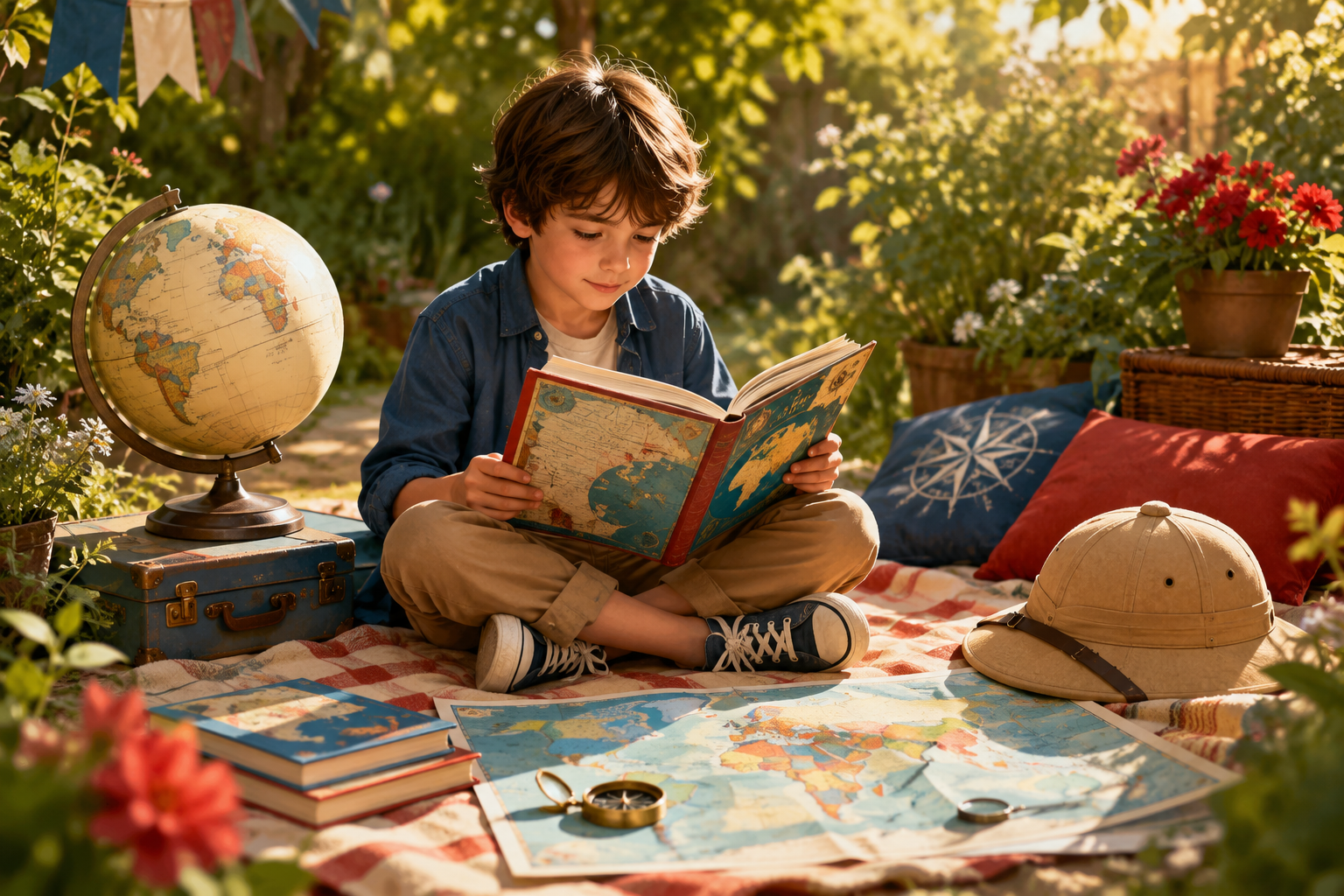
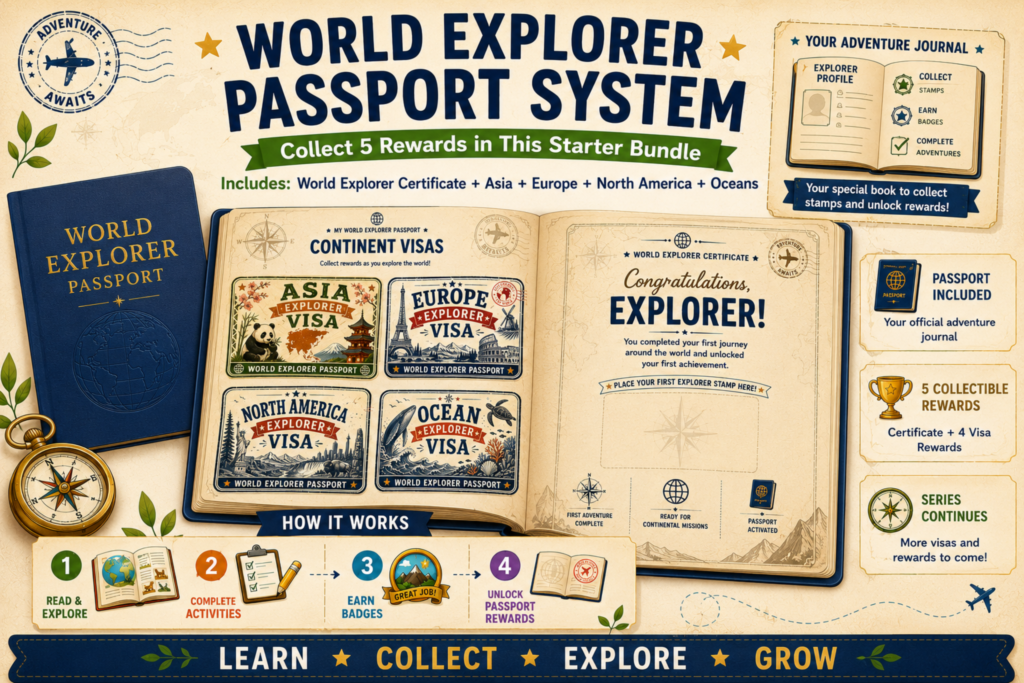
Many children who struggle in a traditional school setting are kinesthetic learners—they need to touch, move, and build to understand the world. If your child hates reading about geography or science, bring the subjects to life.
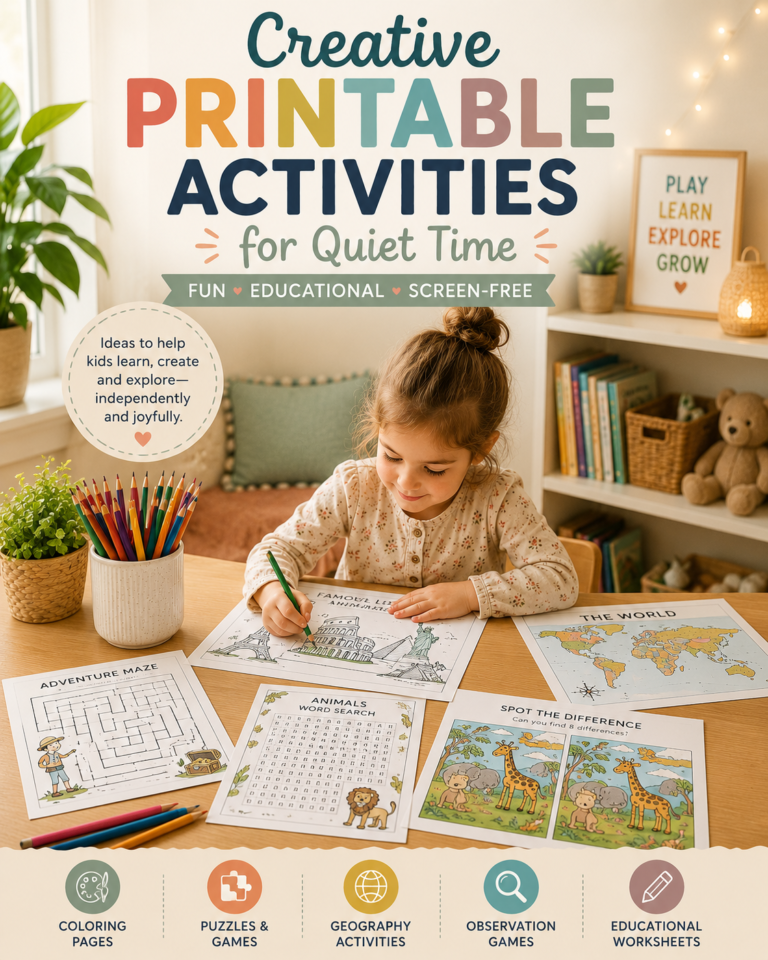
Cut, paste, color, and craft! Working with their hands helps children process complex concepts and gives them a sense of creative ownership over their education.
4. Let Their Interests Lead the Way
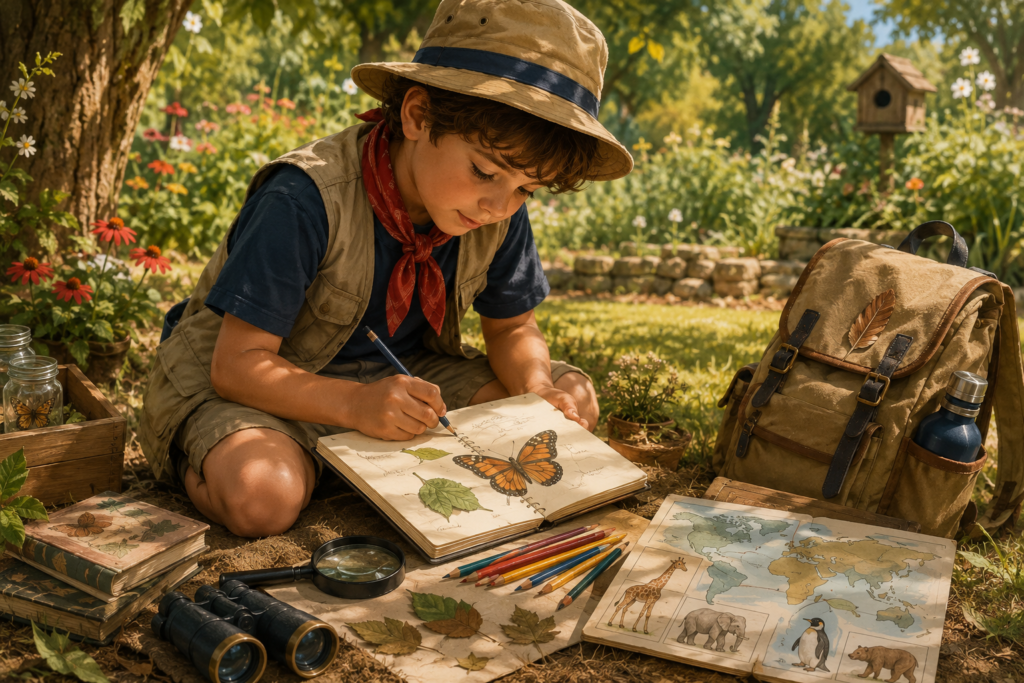
Does your child love animals? Trains? Dinosaurs? Use their current obsession as the vehicle for learning. If they are fascinated by the ocean, don’t force them to read about the desert. Dive deep into marine biology, map out where different sharks live, and calculate the size of a blue whale. When a child cares about the subject matter, the resistance melts away.
5. Implement a Rewarding Progression System
Nothing motivates a reluctant learner more than a tangible sense of achievement. Stickers on a chart are fine for toddlers, but older kids (ages 6-9) need something more engaging. They need to feel like explorers collecting treasures.
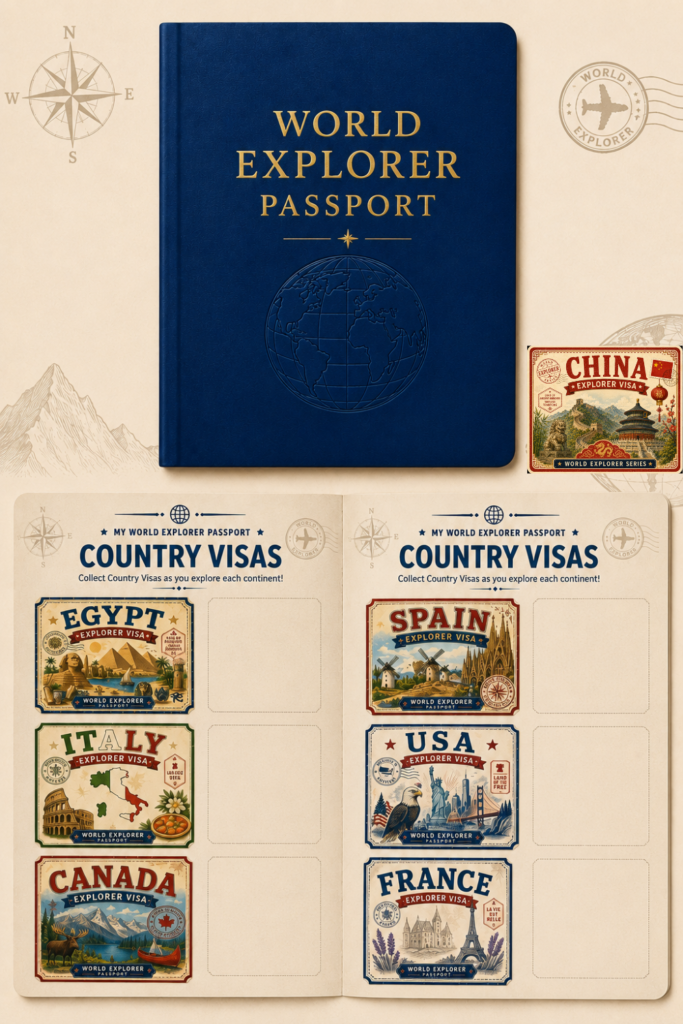
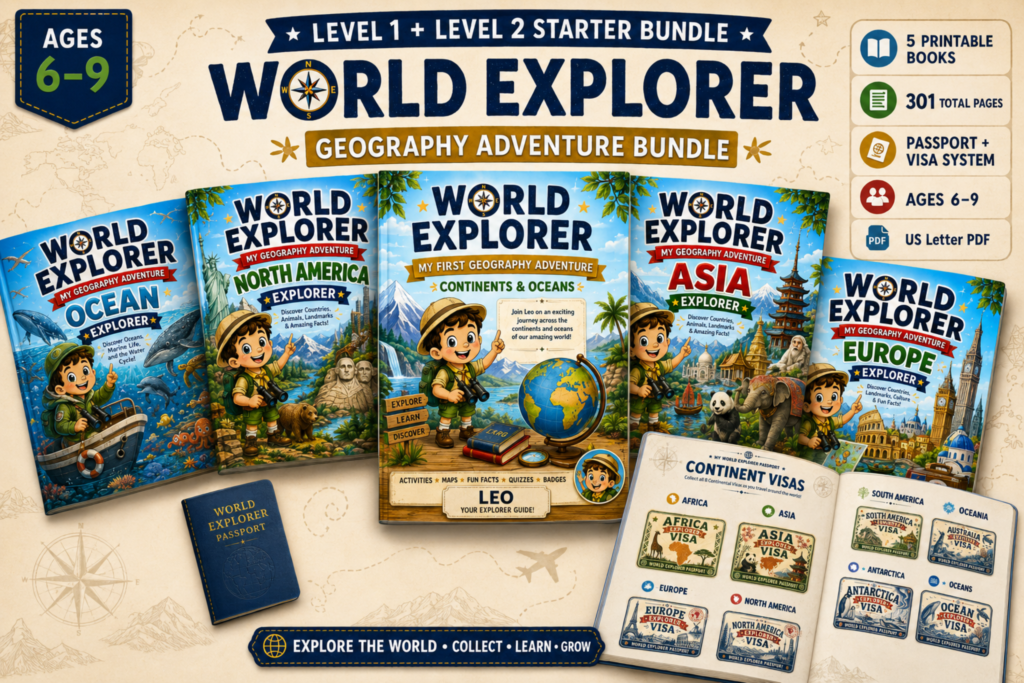
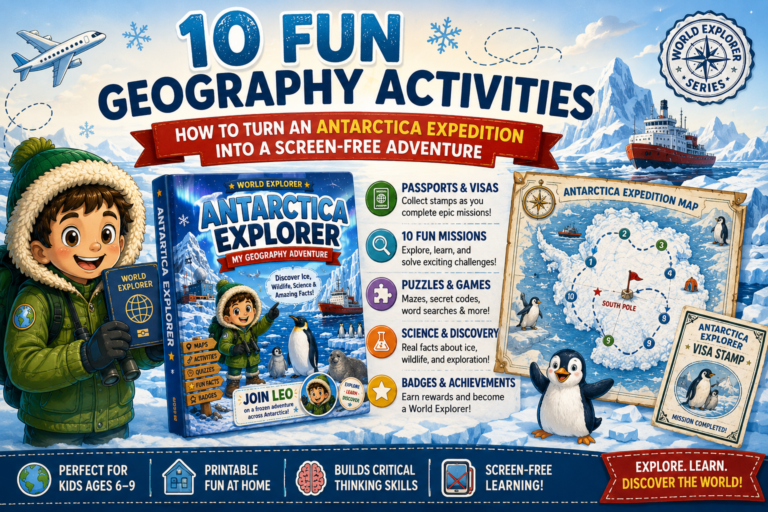
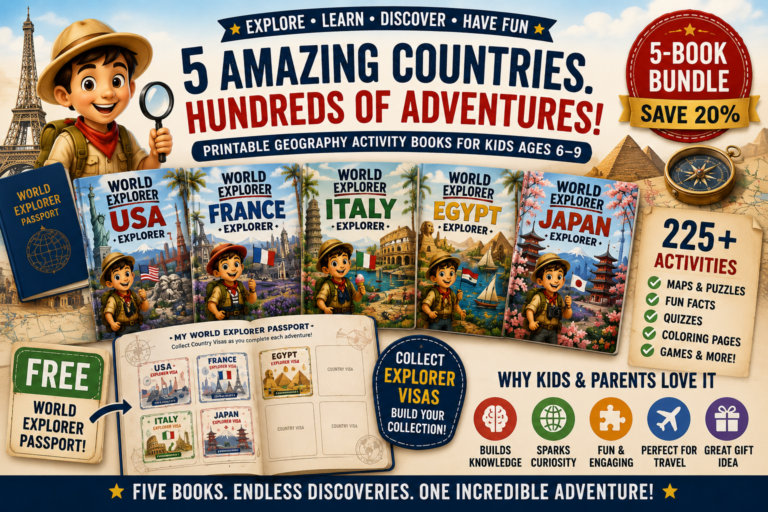
This is exactly why we created the World Explorer Series at Tiny Joy Studio.
The Ultimate Solution: Turn Geography into an Adventure
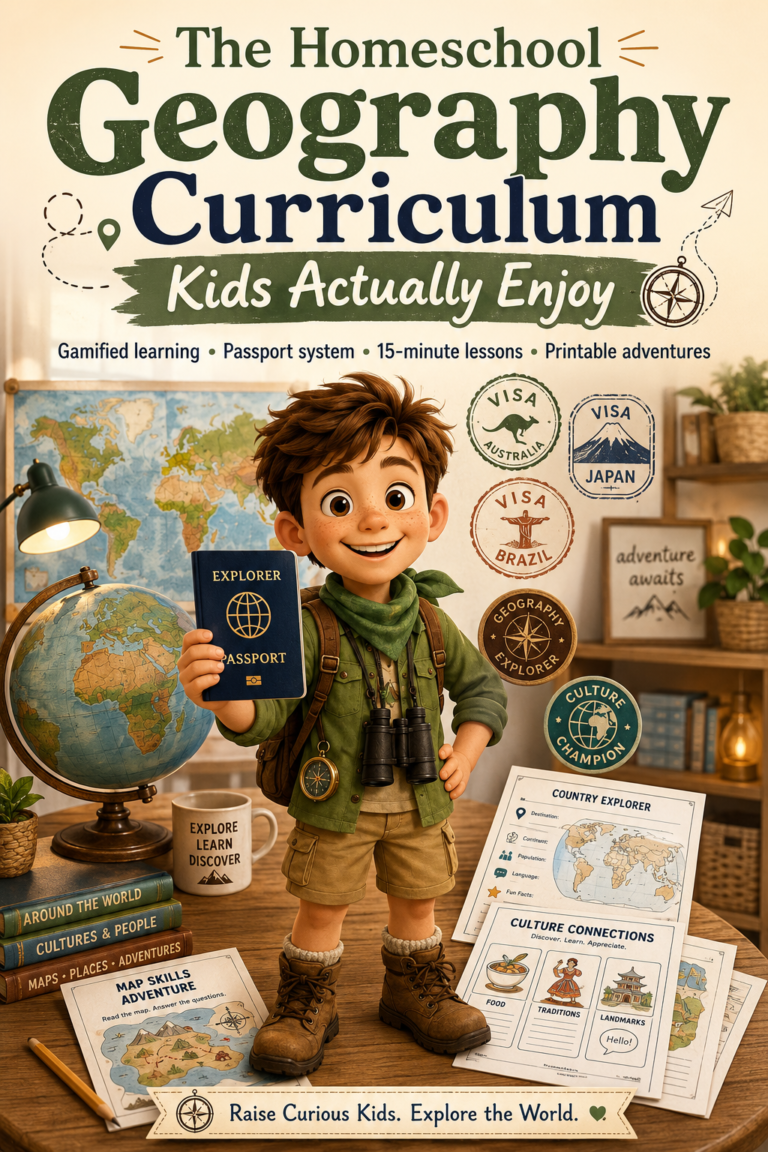
If you want to completely revolutionize how your child views learning, the Universal Passport system is your best friend. Instead of forcing your child to memorize countries and oceans, invite them on a global quest with Leo the Guide!
Here is why kids who «hate school» love our activity books:
- No boring worksheets: Every page is an interactive mission (coloring, cutting, cracking codes, and cooking local recipes).
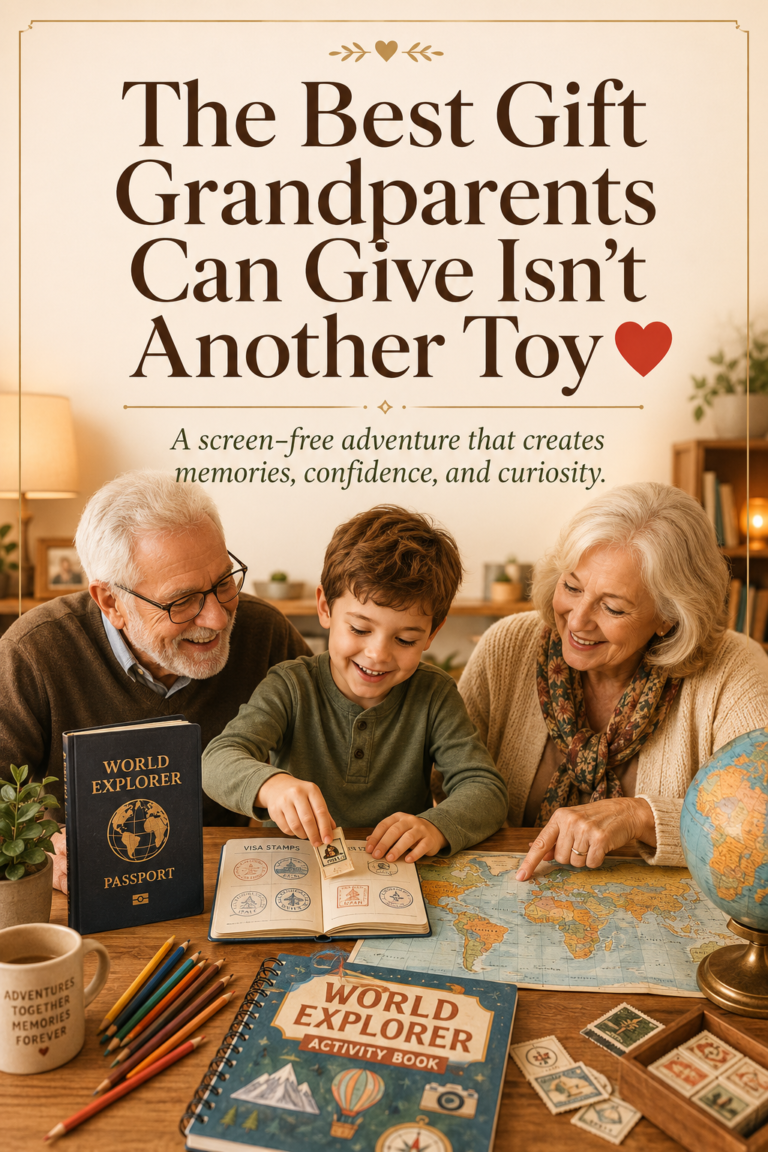
- The Power of Collecting: After completing a country’s workbook, your child earns an official, beautifully designed «Visa Stamp» to glue into their Universal Passport.
- Open-and-Go for Parents: You don’t need to prep a thing. Just print it at home and watch your child beg to «do geography»!
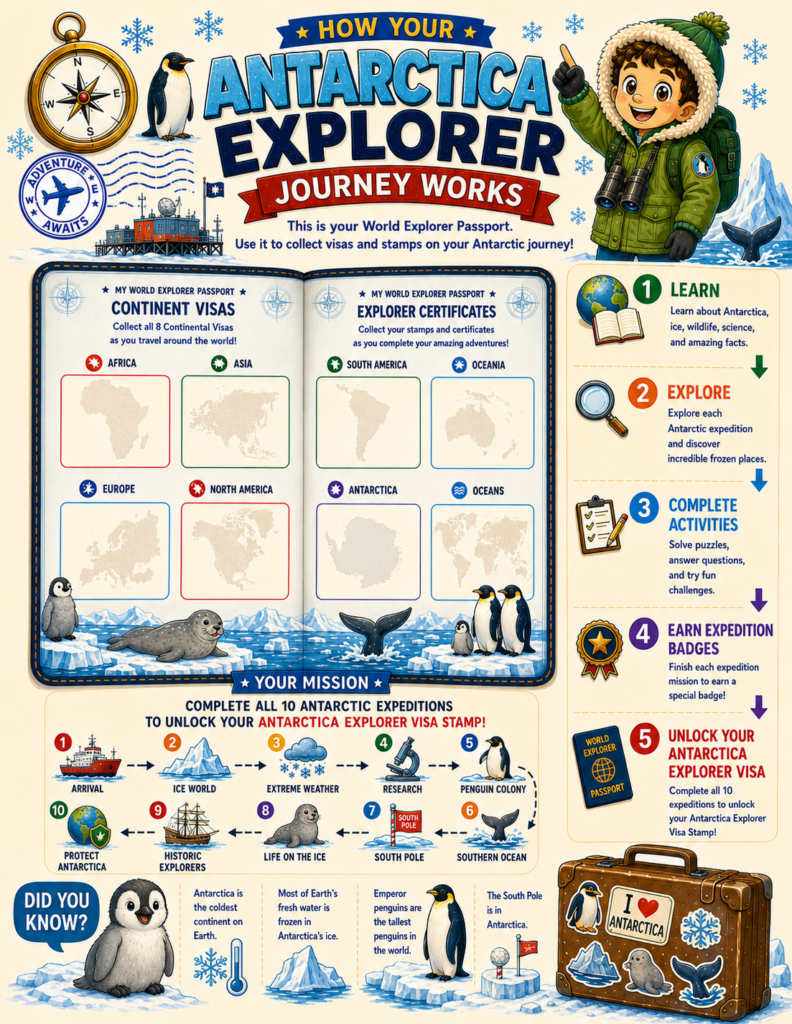
Stop fighting over textbooks. Give your child the gift of curiosity and watch them transform into a passionate global explorer!