American Revolution Unit Study: Spark Curiosity with Interactive History
When children open a history book about the founding of the United States, they are often taught the outcome before they even understand the conflict. They learn dates, battle names, and famous speeches as though independence was a pre-planned, guaranteed result. But history was never a predetermined straight line—it was an unfolding series of difficult debates, risks, and hard choices. How can parents turn these complex political crossroads into meaningful education? The key lies in an immersive American Revolution unit study that prioritizes decision-making, critical thinking, and empathy over passive memorization.
By placing young learners right in the middle of colonial seaports and assembly halls, hands-on history guides transform standard social studies into dynamic historical investigations. Let’s examine how an interactive approach to colonial trade, public resistance, and revolutionary choices nurtures deep analytical reasoning and active curiosity.

Why Interactive History for Kids Works
Children connect with history far more deeply when they are challenged to weigh alternatives rather than memorize isolated facts. A conventional textbook will simply state that colonists protested British taxes, but an interactive workbook asks young learners: How does an ocean separating two continents change how laws, news, and decisions travel? It also prompts them to realize that disagreeing with a policy did not mean everyone agreed on what to do next.
When you integrate a structured interactive history for kids curriculum into your homeschool or study routine, you are doing more than recounting the past. You are equipping your child with the mental tools of a historian: evaluating viewpoints, tracing cause and effect, and understanding why certain actions became impossible to reverse.

Exploring Colonial Voices, Trade, and Differing Paths
One of the most valuable lessons interactive learning offers is showing that major historical shifts rarely started with a desire for war. When Parliament passed the Stamp Act in 1765, colonial delegates met at the Stamp Act Congress to write petitions, and merchants banded together in boycott agreements—not to break away from the British Empire, but to defend their rights within it.
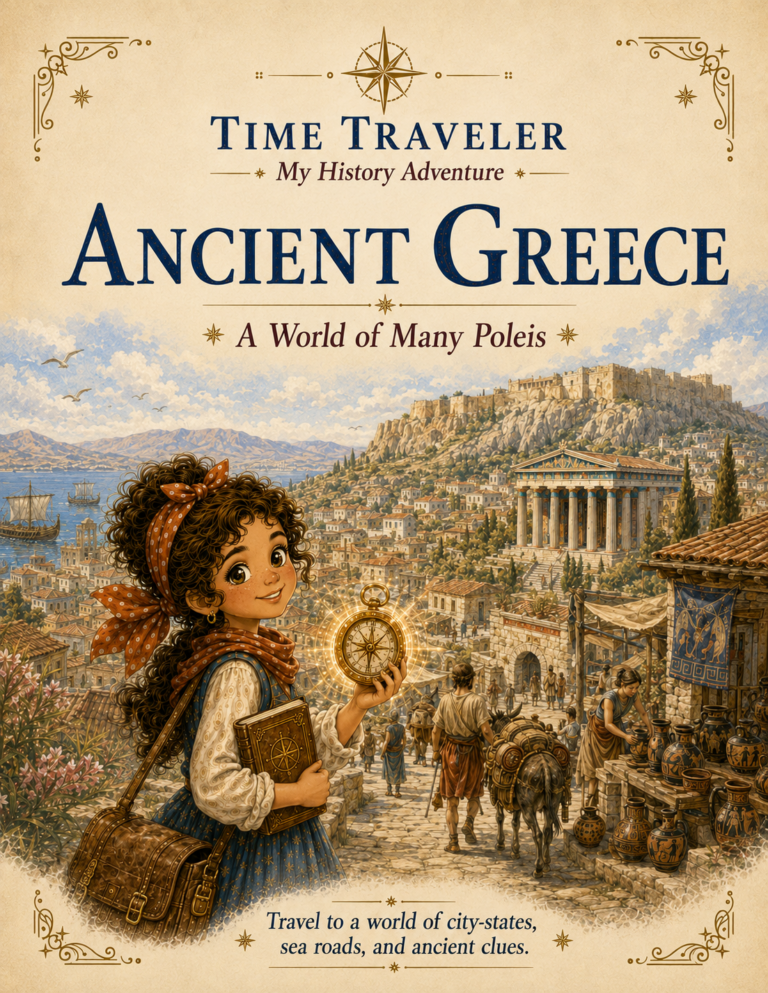
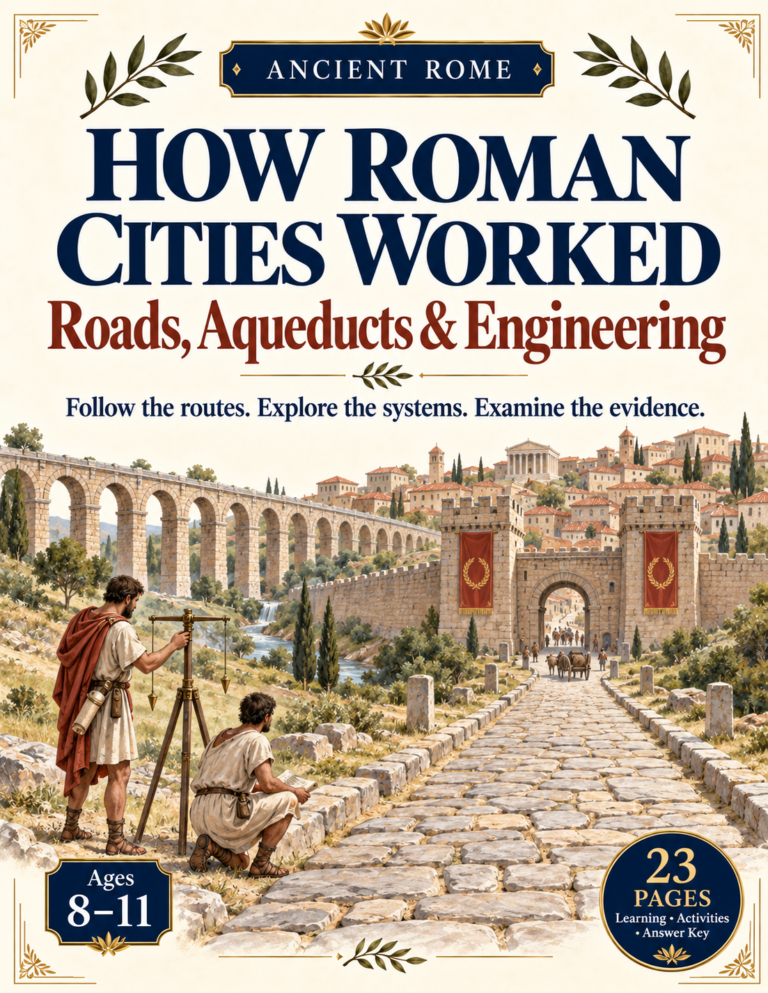
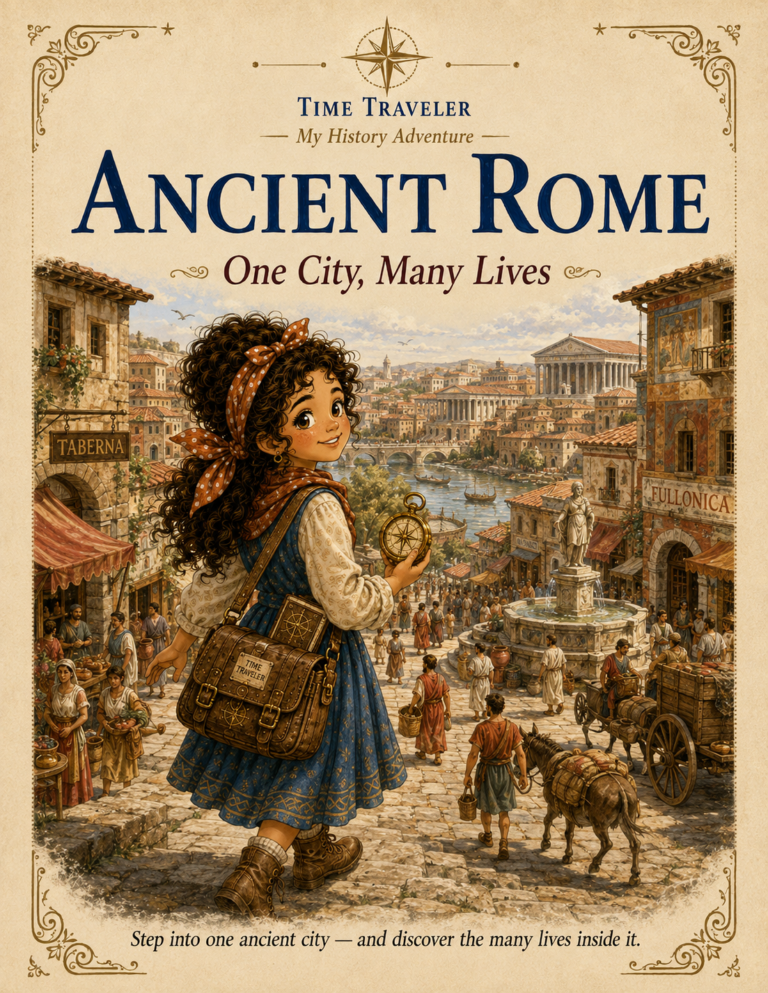
Just as we guide young explorers to investigate ancient civil structures in our Ancient Egypt unit study, decode civic planning in our Ancient Rome unit study homeschool, and analyze athletic and civic rules in our Ancient Greece unit study, a rich American Revolution unit study highlights the interconnected ecosystems of human societies. Children discover how a merchant boycott in New York sent ripple effects across the Atlantic to British trading houses, and how a repealed tax could solve one specific complaint while leaving the larger question of sovereign power entirely unanswered.
Learning Through Doing: «Same Kind, Different Lock»
To build genuine intellectual curiosity, learning materials must present real historical dilemmas where different communities faced the same crisis with vastly different strategies.

In activities exploring the tea crisis of 1773, learners compare Boston and Philadelphia. While protesters in Boston destroyed 342 chests of tea in the harbor, leaders in Philadelphia convinced Captain Ayres to turn the ship Polly around with its cargo intact. Both cities actively resisted the tea policy, but students analyze why one action permanently closed the port and shut down dialogue, while the other left doors open. This ability to compare risk and reversibility teaches nuanced historical judgment.
Thinking Like a Historian: A Road Built by Choices
The ultimate hallmark of high-caliber education is teaching children how to evaluate competing possibilities. This is where an investigative American Revolution unit study proves its exceptional value.
Young historians learn that even during moments of open military conflict, multiple futures remained on the table. In the summer of 1775, after fighting had erupted at Lexington and Concord, the Continental Congress created an army under George Washington while simultaneously approving the Olive Branch Petition to King George III. Rather than viewing history in hindsight as inevitable, children examine the tensions and uncertainties of people who had to act while still waiting weeks for news to cross the ocean.
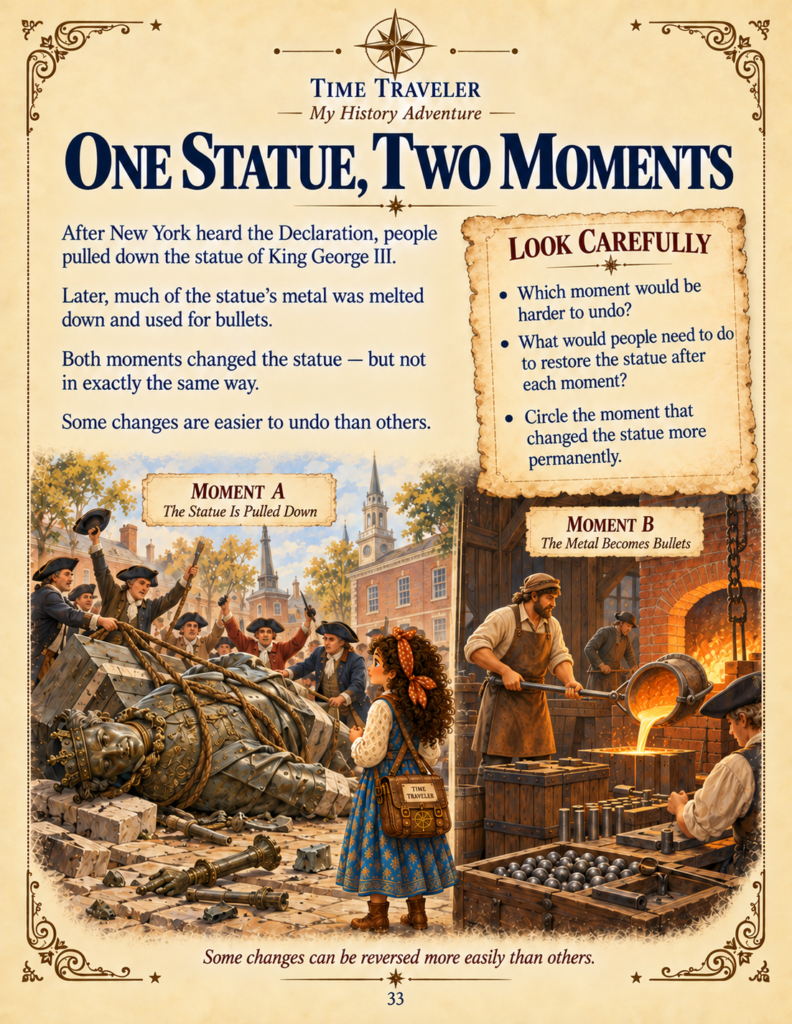
By examining contrasting actions—such as pausing to deliberate in June 1776 versus adopting the Declaration of Independence in July, or exploring how Lord Dunmore’s proclamation opened dangerous and uncertain doors for enslaved people seeking freedom—children realize that history was shaped by everyday people navigating real risk.
Spark Your Child’s Curiosity Today
Parents want social studies resources that build lifelong critical thinking, moral awareness, and analytical logic without getting bogged down in dry recitations of dates. A comprehensive American Revolution unit study provides that essential balance. By transforming students into active decision-makers who evaluate source evidence, navigate trade pressures, and ask the right questions before judging the past, you inspire genuine intellectual growth.
Equip your young learners with learning materials that honor their intelligence and show them how the road of history was truly paved. Step into the past today, explore the choices behind the American Revolution, and watch your child’s historical thinking flourish!