How to Teach Geography With Projects Instead of Worksheets
Picture this familiar homeschooling scene: You hand your child a black-and-white map of the world and a list of rivers to memorize. You ask them to trace the lines, color the water blue, and write down the names. Within five minutes, they are staring blankly out the window, sighing heavily, or asking when they can be done.
If you have ever felt the soul-crushing weight of a boring geography lesson, you are not alone. Traditional worksheets often reduce the vibrant, dynamic, and massive world we live in to dry facts and tedious memorization. But what if learning about the Earth didn’t feel like a chore? If you are looking for a stress-free way to teach geography with projects rather than tedious printouts, you are in the right place.
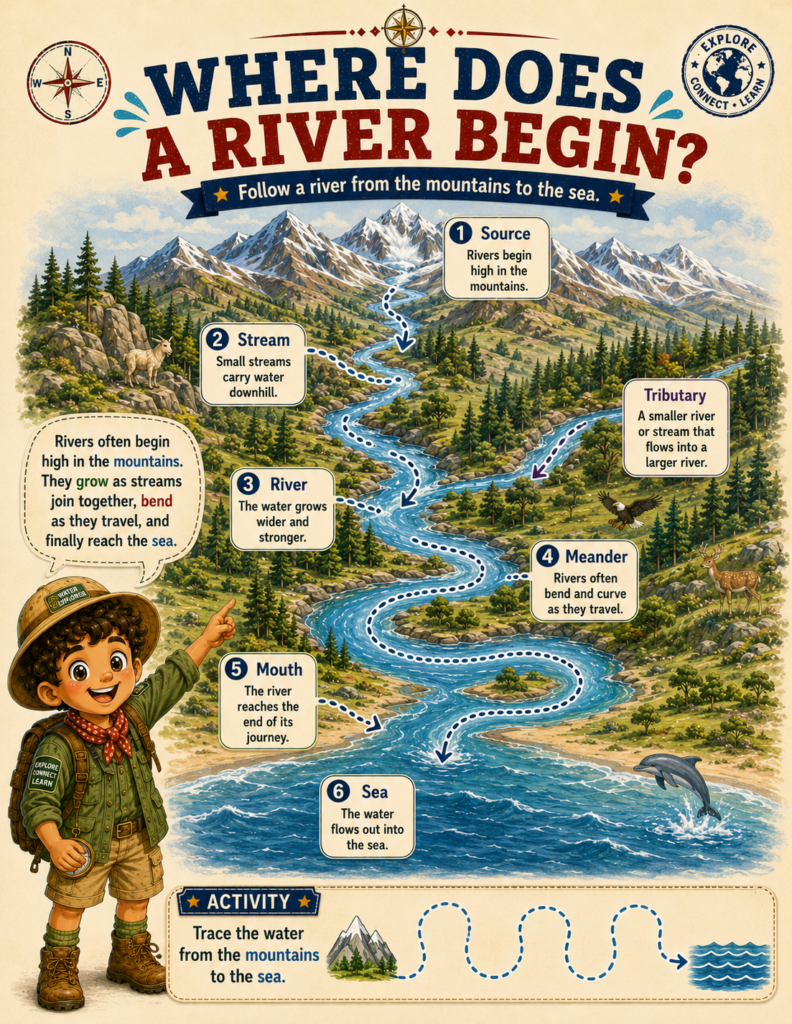
Today, we are going to explore why ditching the rote memorization in favor of hands-on, project-based adventures will not only save your sanity but completely transform the way your child views the world.
The Problem with Traditional Geography Worksheets
Why do so many kids push back against standard geography curriculum? The answer is simple: lack of context. A worksheet isolates information. It asks a 7-year-old to care about the name of a river or the location of a strait without giving them a reason why it matters.
Children are natural explorers. They want to know what kind of animals live in that river, how loud the waterfall is, and whether they could sail a boat through that canal. When we force them to learn through fill-in-the-blank sheets, we strip away the adventure. Furthermore, excessive worksheet use leads to cognitive overload and burnout—for both the student and the parent who has to grade them.
The Magic of Project-Based Learning in Geography
The most effective alternative to the daily grind of worksheets is shifting to a hands-on approach. When you implement project based learning in homeschooling, you allow your child to become the master of their own educational journey.
Projects provide context, foster critical thinking, and engage multiple senses. When a child builds, maps, creates, and role-plays, they aren’t just memorizing geography; they are experiencing it. Best of all, «projects» do not have to mean a messy kitchen table covered in papier-mâché and glue. You can implement highly engaging, low-prep projects that feel like play but educate like a top-tier curriculum.
4 Fun Ways to Teach Geography With Projects
Ready to bring the world to life in your living room? Here are four incredible project ideas that will make your child fall in love with geography, completely screen-free.
1. Build a 3D Edible Waterway Model
One of the best ways to understand physical geography is to build it. But instead of expensive clay, use what you have in the pantry! Have your child construct an island using graham crackers and peanut butter or frosting. Then, use blue icing or blue candy to carve out rivers, lakes, and deltas.
This is an amazing way to do montessori geography at home because it is highly tactile. As they eat their creation, you can discuss how a river flows from high ground down to the ocean, forming a delta where it meets the sea.
2. Embark on a «Follow the Water» Mapping Quest
Instead of asking your child to label a blank map, turn mapping into a high-stakes adventure. Tell them they are now an official «Water Explorer» and they must chart a course across the globe.
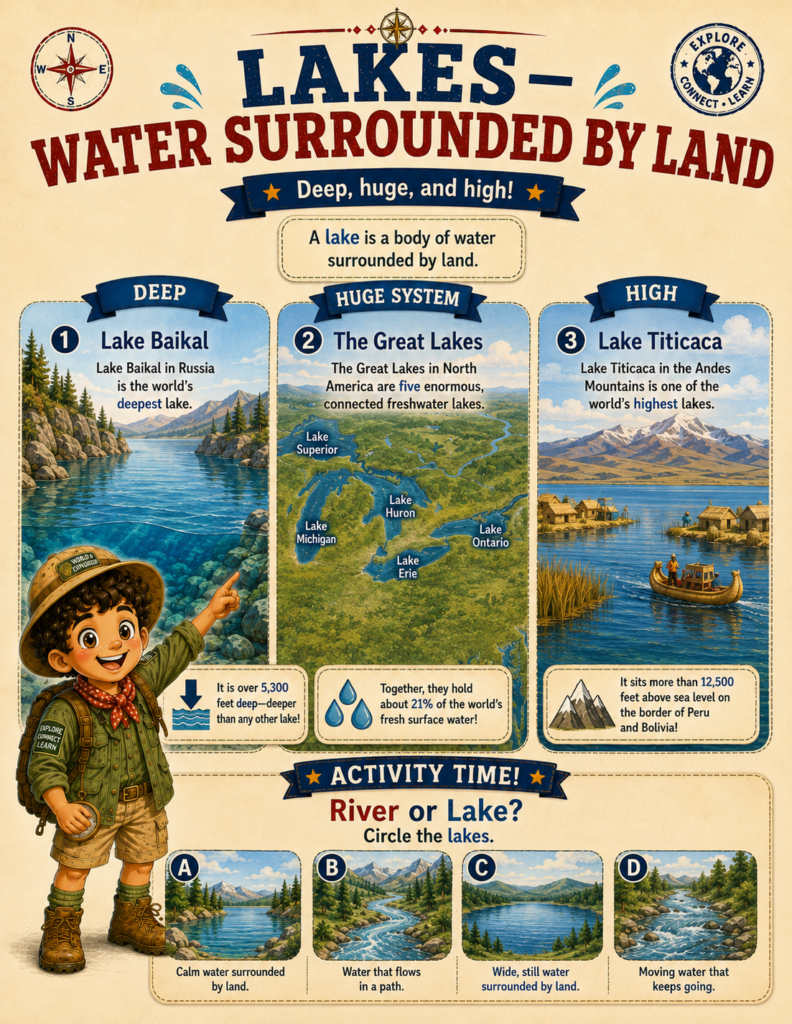
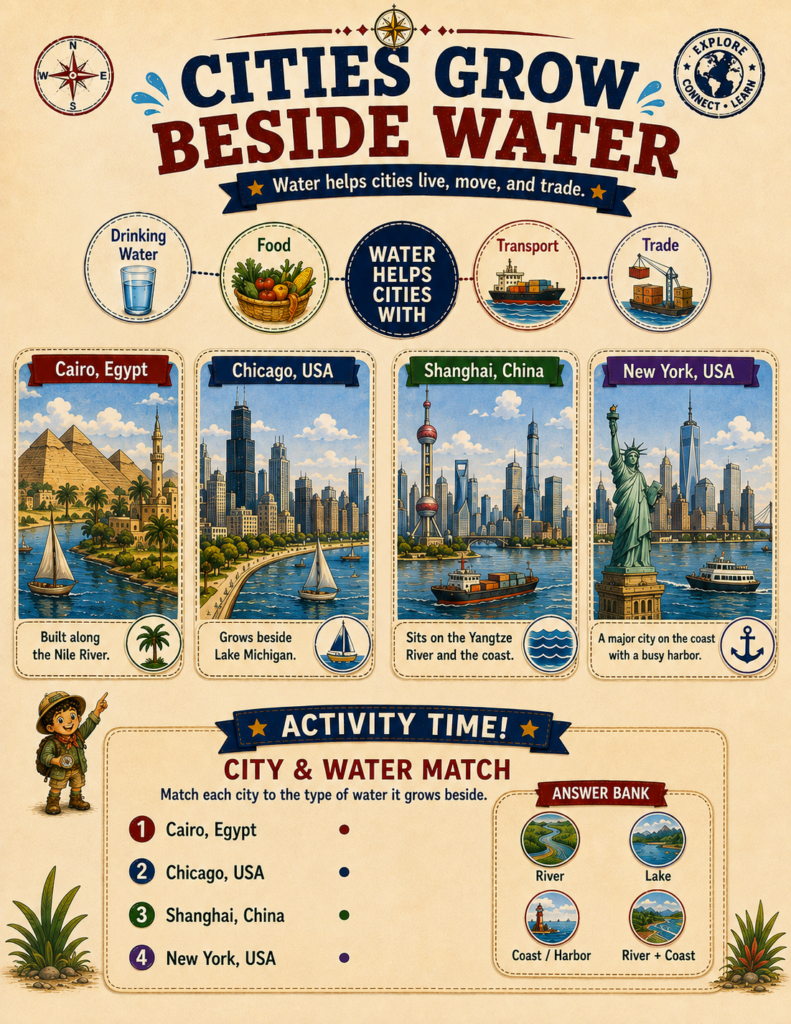
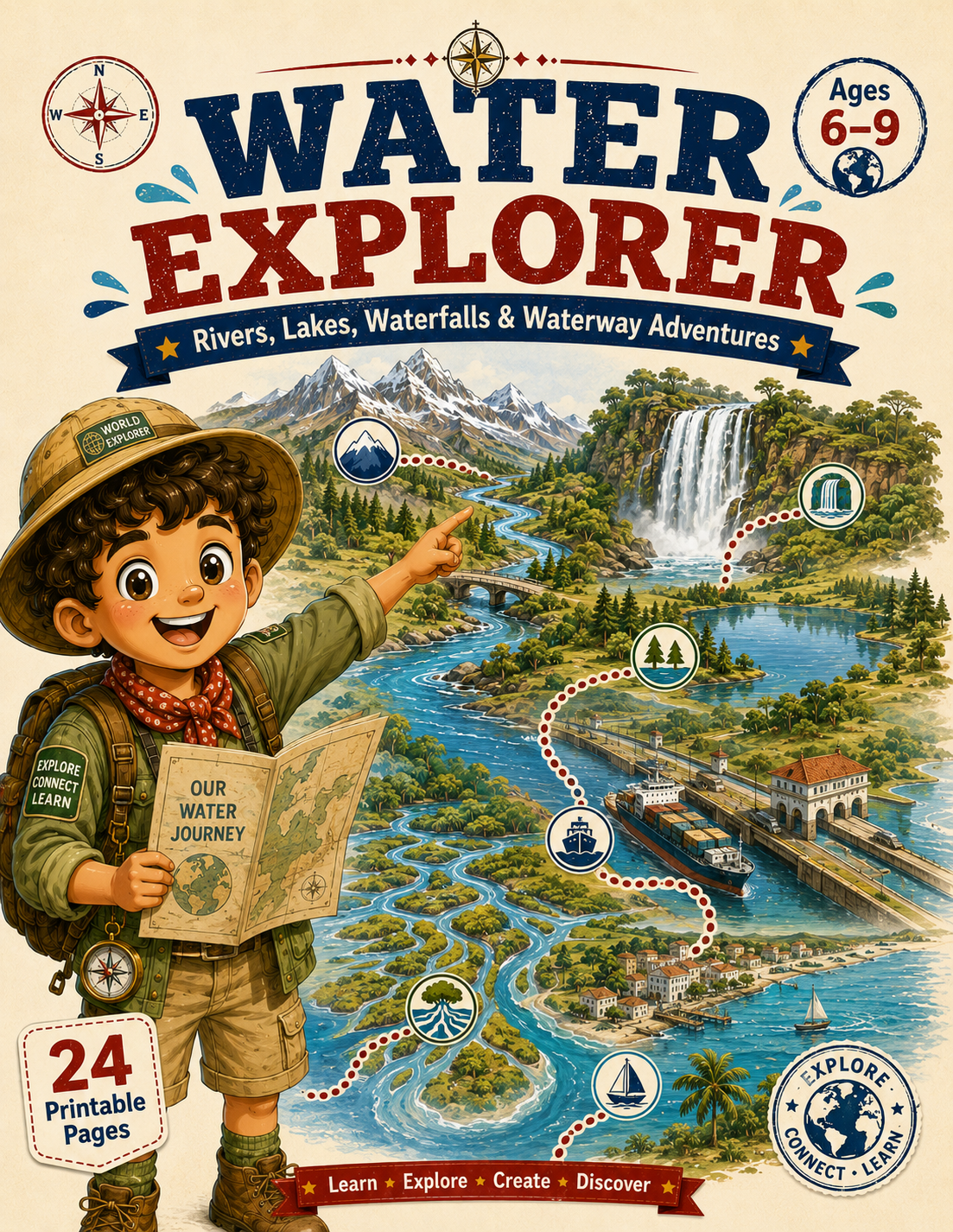
This is exactly why we created the Water Explorer: Rivers, Lakes, Waterfalls & Waterway Adventures activity book. Instead of a worksheet, it acts as a project-based mission log.
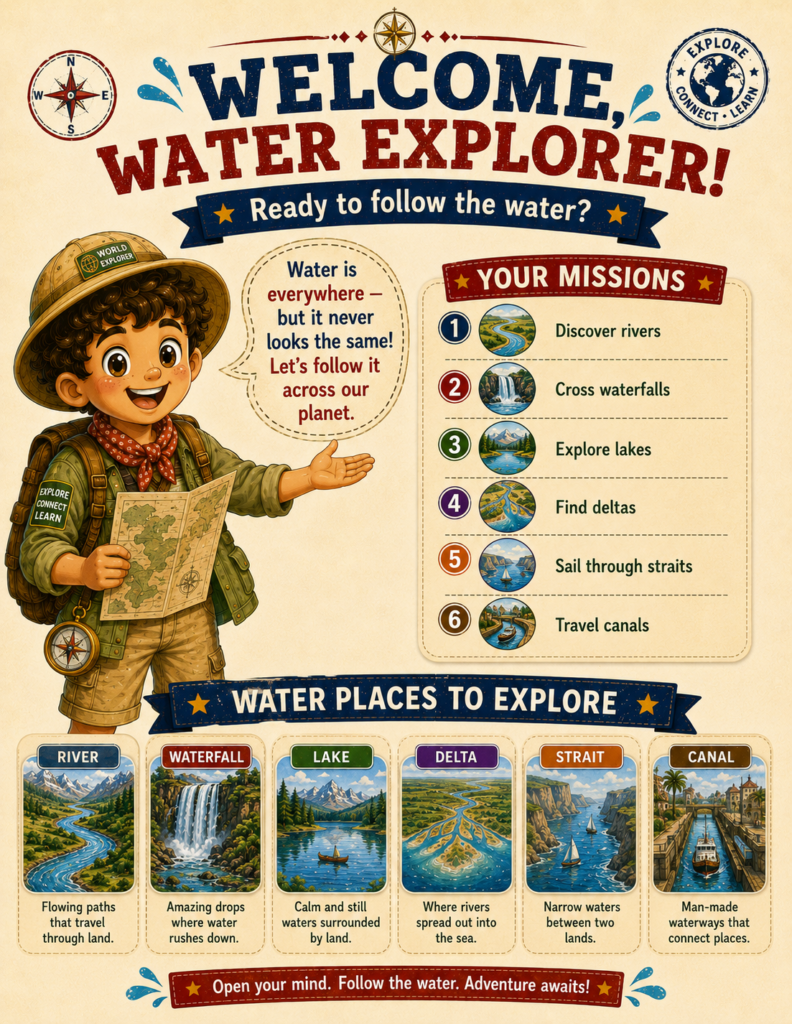
Inside, your child is given a set of clear, exciting missions: Discover rivers, cross waterfalls, explore lakes, find deltas, sail through straits, and travel canals. They aren’t just reading definitions; they are following Leo the Guide on a global quest.
3. Create a Giant Floor Map
Kids need to move! Clear the rug in your living room and use painter’s tape to outline the continents on the floor. Then, challenge your child to physically «travel» the map.
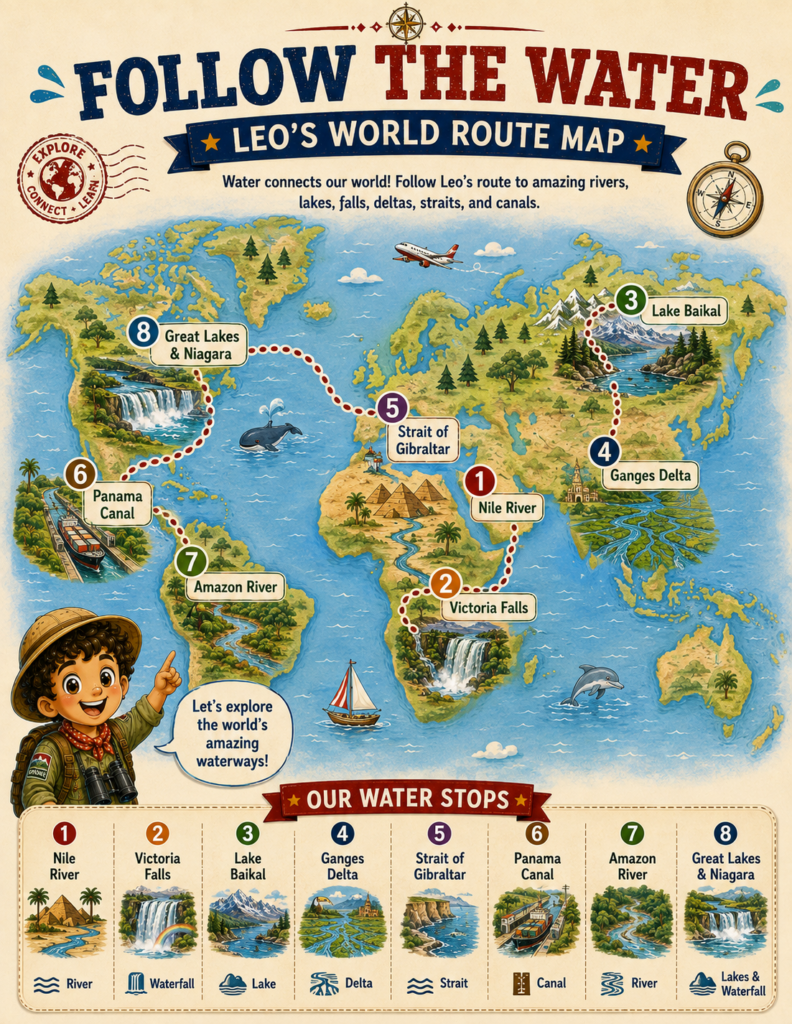
If you are using the Water Explorer book, you can use the beautifully illustrated «Leo’s World Route Map» as a reference. Have your child jump from the Amazon River to Victoria Falls, physically moving their bodies as they track the world’s most famous waterways.
4. Utilize the Psychology of Passports and Badges
If you want to know the ultimate secret to gamification in education for kids, it’s the power of collecting. Kids love to collect things—stickers, trading cards, stamps. You can turn your entire geography curriculum into a year-long project by using a passport system.
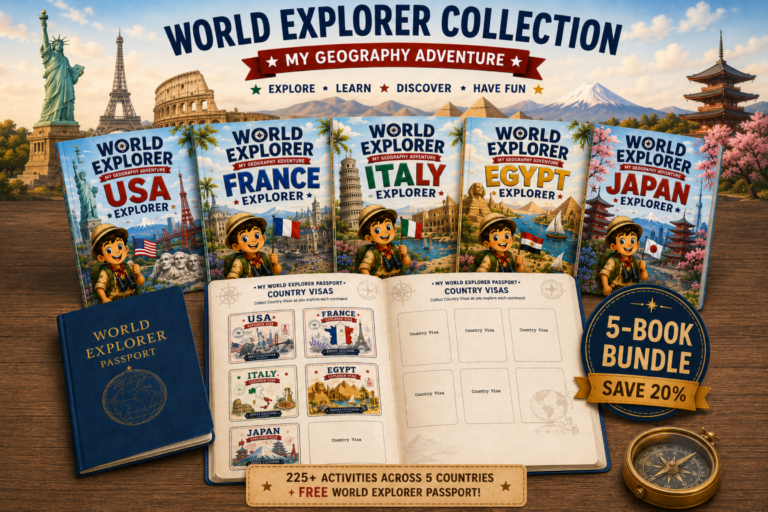
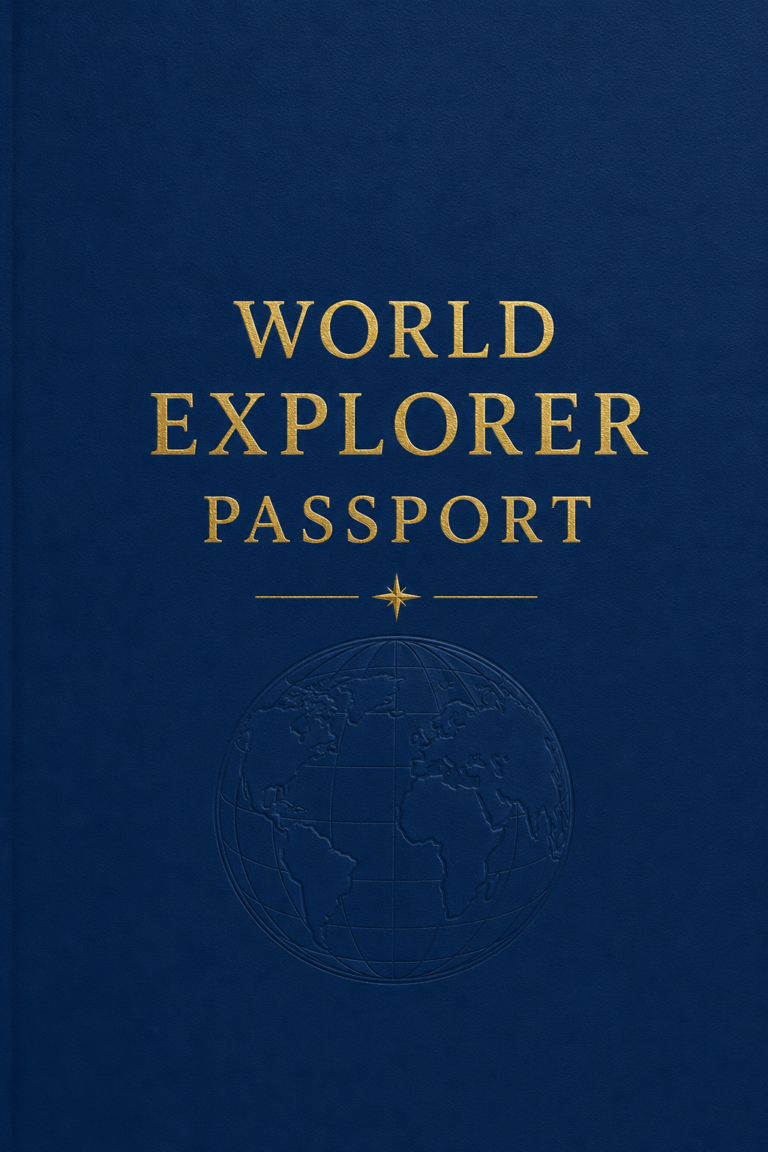
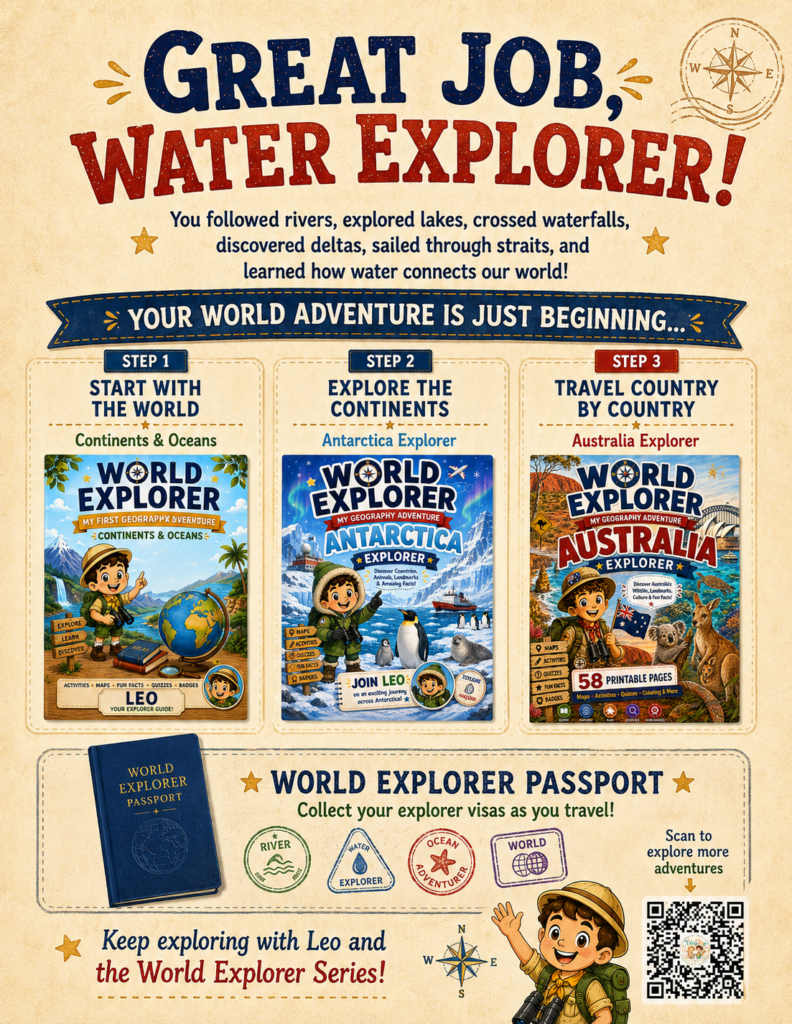
Instead of grading a test at the end of a unit, reward them with a visa stamp or a badge. When they complete their waterway journey, they earn the official «Water Explorer» badge to paste into their Universal World Explorer Passport. This simple shift turns a lesson into a rewarding game, motivating them to ask, «What country or biome are we exploring next?»
The Ultimate «Open-and-Go» Solution: The Water Explorer Book
We know what you might be thinking: «These project ideas sound amazing, but I am exhausted. I don’t have the time or energy to plan elaborate quests, draw maps, or invent missions every week.»
We hear you completely. As parents, we want to give our kids the world, but we also have laundry, meals, and a hundred other chores to manage. You need something that provides the deep, immersive experience of a project, but with the ease of an «open-and-go» resource.
That is exactly why the Water Explorer Activity Book by Tiny Joy Studio is a game-changer.
![teach geography with projects water explorer activity book]](https://tinyjoystudio.com/wp-content/uploads/2026/08/ChatGPT-Image-14-авг.-2026-г.-22_54_31-1024x576.png)
This 24-page digital masterpiece is not a collection of boring worksheets. It is a fully contained, printable project. It bridges the gap between science and geography, taking your child on an interactive journey through the world’s most fascinating water features.
Here is what makes it the perfect homeschool resource:
- Zero Prep Required: No expensive supplies or late-night planning. Just print the pages, hand your child some colored pencils, and let Leo the Guide take over.
- Highly Interactive: Your child will navigate shortcut canals, decode waterway puzzles, and map out global rivers.
- The Perfect Bridge: It acts as an incredible foundational project to prepare your child for deeper continent and country studies.
- Built-in Reward System: It seamlessly integrates with the Tiny Joy Studio Universal Passport, providing that dopamine hit of earning a hard-won badge!
Whether you are looking for an engaging Friday activity, trying to prevent summer slide, or searching for a core piece of your earth science curriculum, the Water Explorer book delivers maximum educational value with zero parent burnout.
Are you ready to ditch the dry worksheets and let your child dive into a real waterway adventure?