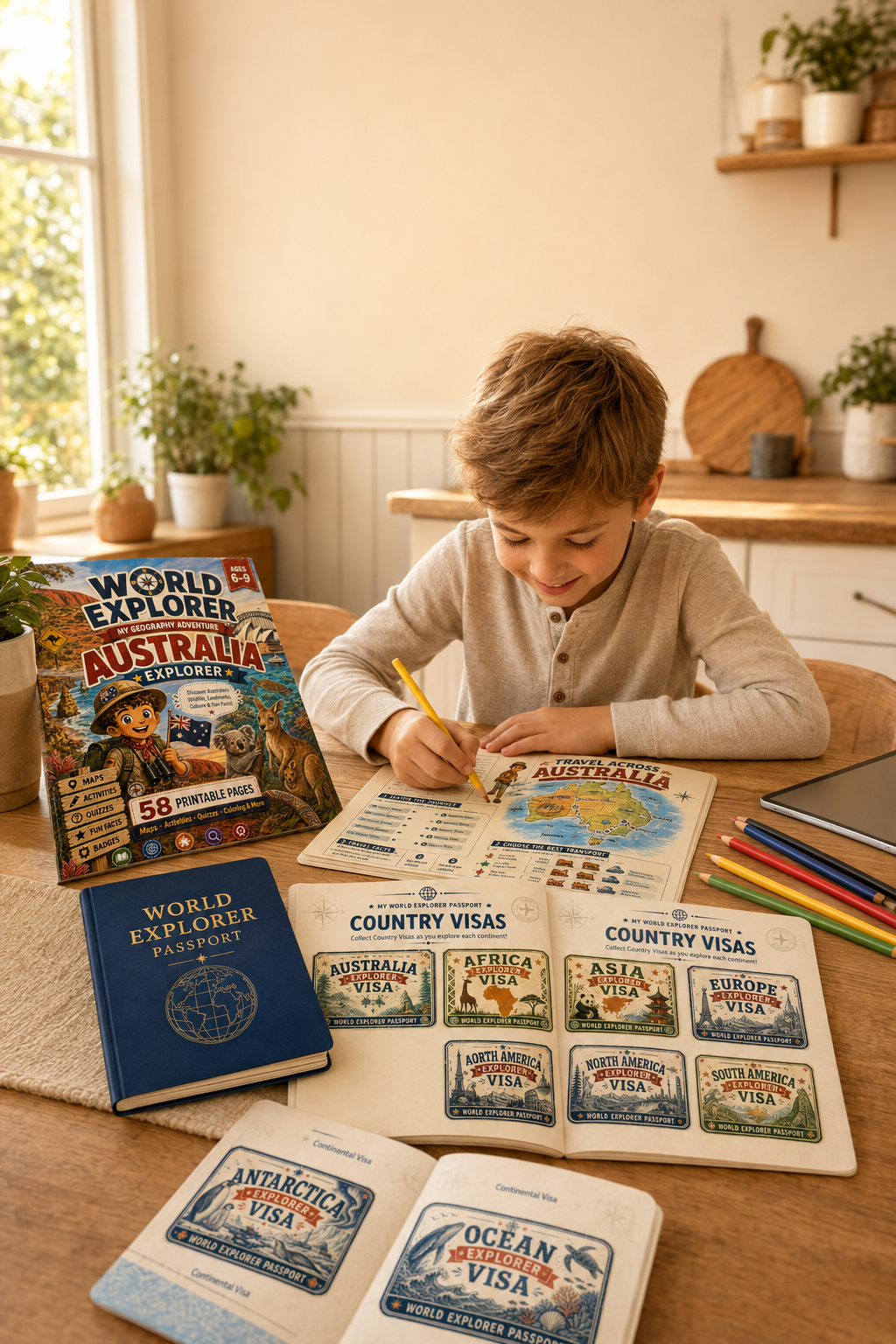
The Ultimate After School Routine for Kids to Avoid Meltdowns and Limit Screen Time
If you are a parent of a school-aged child, you probably know the feeling. The school bus drops them off, or you pick them up from the carline, and within ten minutes, chaos ensues. A minor inconvenience—like giving them the wrong colored cup or asking how their day went—turns into a full-blown tantrum. Instead of a peaceful afternoon, you find yourself handing over a tablet just to get a moment of quiet. If this sounds familiar, you are not alone, and the solution lies in establishing a solid after school routine for kids.
Creating a predictable afternoon schedule doesn’t mean rigidly controlling every minute of your child’s time. Instead, it means providing a safe, calming structure that helps them decompress, limits unhealthy screen time, and brings peace back into your home. Let’s dive into why these meltdowns happen and how a simple, step-by-step routine can change your afternoons forever.
Why Do After-School Meltdowns Happen?
Psychologists have a term for what happens to your child at 3:30 PM: after-school restraint collapse.
For seven or eight hours, your child has been working incredibly hard to follow the rules, sit still, listen to teachers, navigate complex social dynamics with peers, and absorb new information. By the time they get home to you—their safe space—they simply run out of energy to hold it together. Their emotional cup is empty, and the slightest trigger causes it to overflow.
The instinctive parental reaction is often to let them «veg out» in front of the TV or a tablet. However, studies show that jumping straight into highly stimulating screen time actually prevents true emotional regulation. It numbs their brain rather than resting it, which is why turning off the screen later often causes an even bigger meltdown.
This is exactly why having a structured, screen-free after school routine for kids is the secret weapon to saving your sanity.
A Simple 4-Step After School Routine for Kids
A successful routine allows children to transition smoothly from the high-demand environment of school to the relaxed environment of home. Here is a proven 4-step framework you can adapt to your family’s needs.
Step 1: The «Brain Break» Snack (15-20 Minutes)
When kids walk through the door, they are usually «hangry» (hungry and angry). Skip the barrage of questions like «What did you learn today?» or «Did you eat your lunch?». Instead, greet them with a warm hug and a ready-to-eat snack.
Keep the environment low-stimulation. Put on some soft background music and let them eat in peace. If they want to talk, let them lead the conversation. This simple act of refueling their bodies is the first critical step in preventing an afternoon breakdown.
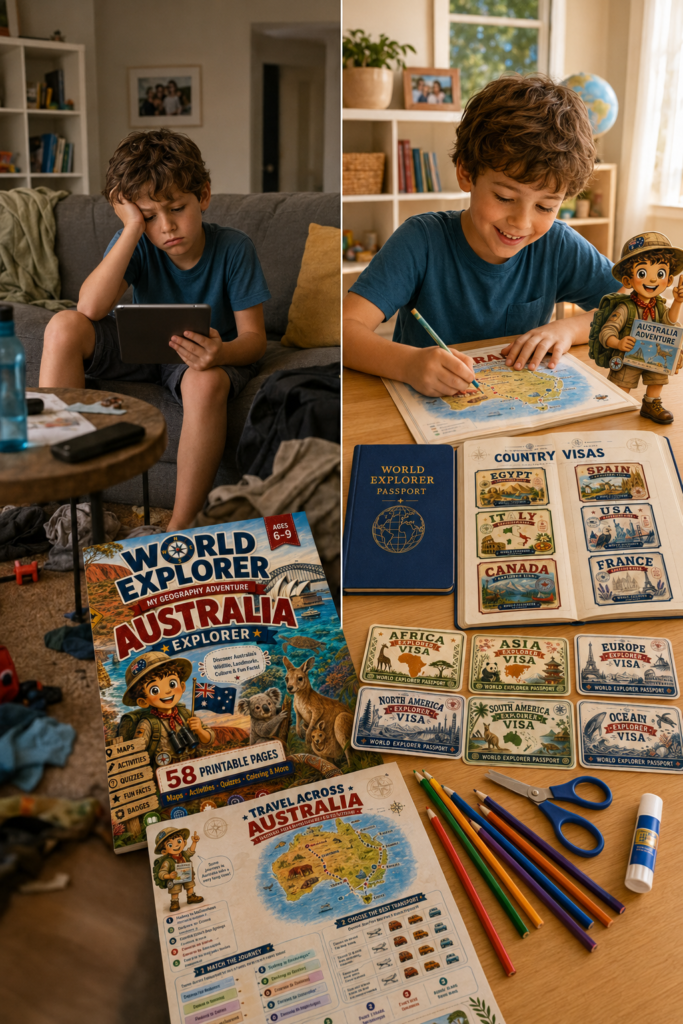
Step 2: The Screen-Free Decompression Activity (30-45 Minutes)
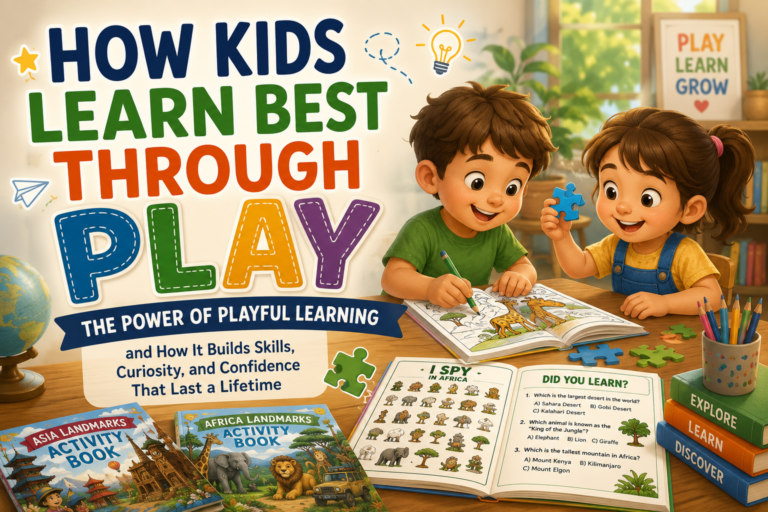
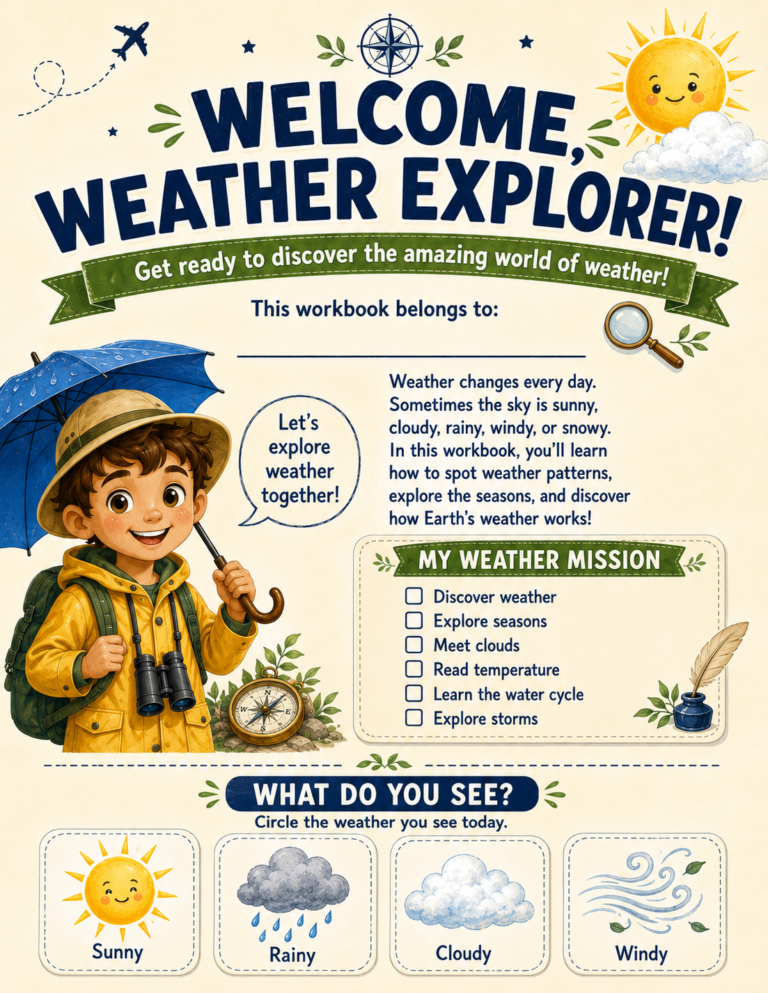
Once they are fed, it’s time to decompress. But remember, we want to avoid handing over the iPad. This is the perfect time for quiet, engaging, and hands-on after school activities that feel like play, not work.
You need activities that are «open-and-go»—meaning you don’t have to spend 20 minutes setting them up. They should be highly visual, tactile, and rewarding.
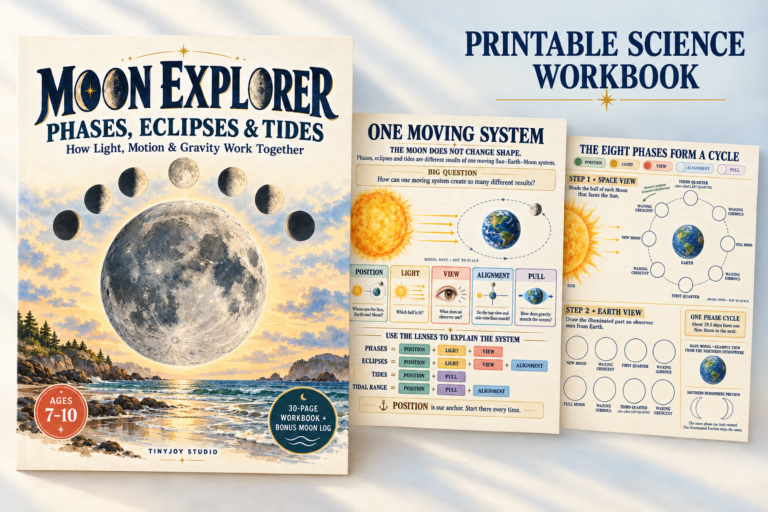
This is where the World Explorer Series from Tiny Joy Studio becomes an absolute lifesaver for busy parents. Instead of mindlessly scrolling TikTok, your child can grab their colored pencils, scissors, and glue, and embark on a global adventure right from the kitchen table.
Here is why kids love it as an after-school activity:
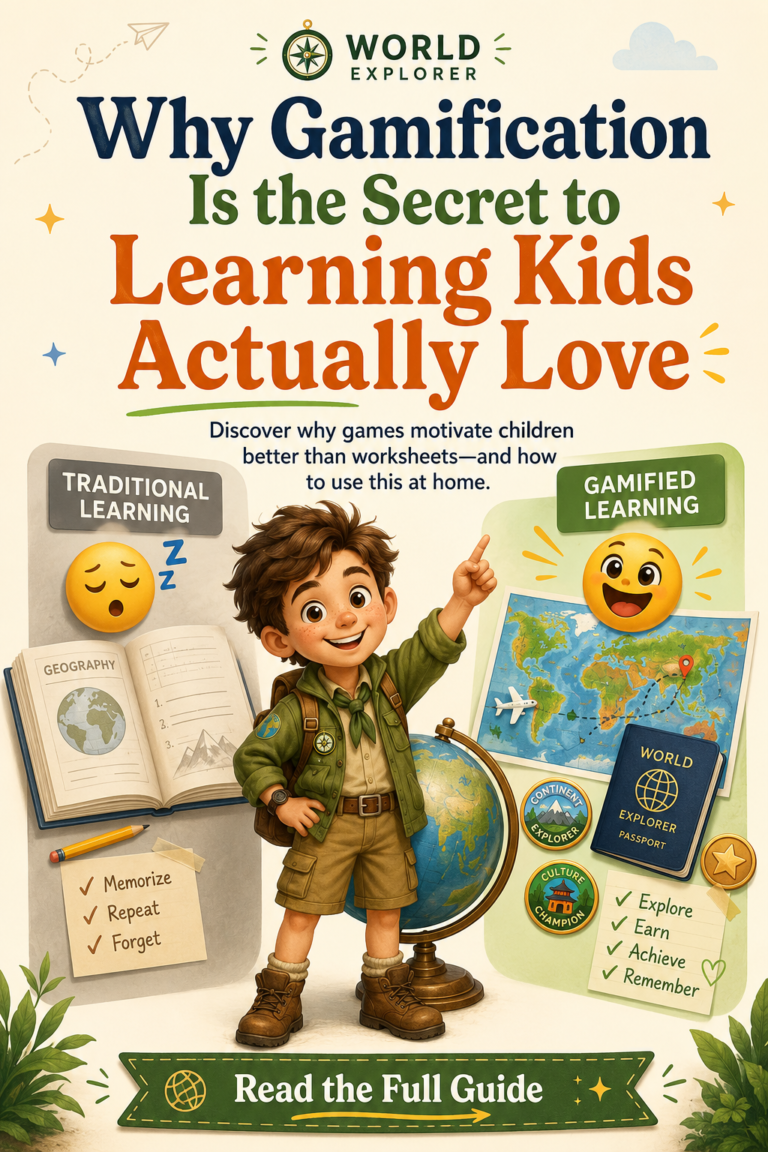
- It’s Gamified: They aren’t just reading a book; they are completing missions alongside Leo the Guide to earn a visa stamp for their Universal Passport. (If you want to know more about why this works, read our guide on why gamification is the secret to learning .
- It’s Tactile: Cutting, pasting, and coloring help ground a child’s nervous system. It’s a sensory-friendly way to relax after a loud day at school.
- It Builds Confidence: As they fill up their passport with visas from Japan, Brazil, or the United Kingdom, they feel a immense sense of accomplishment.

Step 3: Homework Time (With Less Tears)
Notice that homework is NOT step one. By giving your child time to eat and decompress with a fun, hands-on activity, you allow their brain to reset. When it’s finally time to tackle math worksheets or spelling words, they will have a much higher tolerance for frustration.
If your child still struggles with academic tasks, you might need to change your approach. Check out our helpful tips on how to make learning fun for a child who hates school to reduce friction during homework time.

Step 4: Free Play and Movement
After homework is done, encourage unstructured free play or outdoor time. Let them build a fort, ride a bike, or play with blocks. Physical movement helps process any remaining stress hormones (cortisol) from the school day.
If the weather outside is terrible and you are stuck indoors, don’t worry! We have a fantastic list of the best rainy day activities that are actually educational to keep the screens off until dinner time.
The Secret to Making the Routine Stick
The key to any successful after school routine for kids is consistency. It might take a week or two for your child to adjust to not getting a tablet the second they walk through the door, but hold your ground.
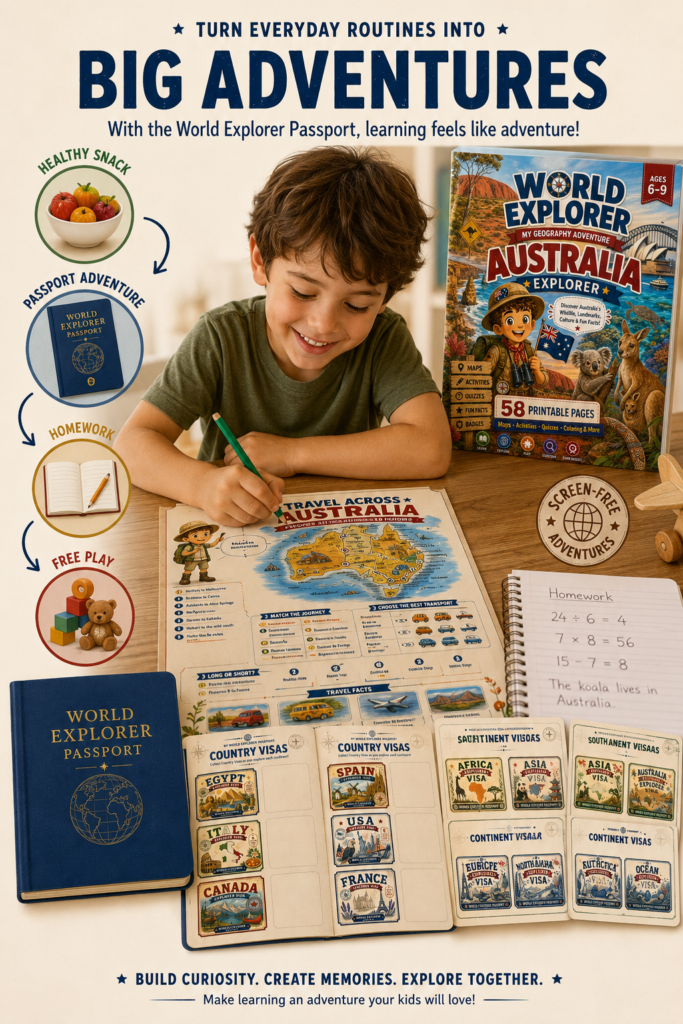
Create a visual chart for the fridge so your child knows exactly what to expect: Snack ➡️ Passport Adventure Time ➡️ Homework ➡️ Free Play. When kids know what is coming next, they feel safe, and their anxiety drops dramatically.
Bring Peace Back to Your Afternoons
You don’t have to dread the hours between 3:00 PM and dinner time. By implementing a predictable routine and swapping out screens for engaging, hands-on projects, you will see a massive decrease in meltdowns and a huge increase in your child’s curiosity about the world.
Ready to transform your afternoons? Ditch the screens and give your child an adventure they will actually look forward to after school! Download the Universal Passport and start your first geography quest today.