The Ultimate Natural Disasters Unit Study for Kids (No Prep!)
There is something universally fascinating to a child about the sheer, untamed power of the Earth. Whether it is the fiery explosion of a volcano, the ground rumbling during an earthquake, or the swirling vortex of a tornado, kids are naturally drawn to extreme weather and powerful geological events.
However, as parents and educators, teaching these topics can be a delicate balancing act. How do you satisfy their intense curiosity without making the world seem like a scary, unpredictable place? The secret lies in knowledge. When children understand why and how these events happen, fear is replaced by fascination.
If you are looking for a way to channel that curiosity into a structured, engaging learning experience, an interactive natural disasters unit study is the perfect solution. It bridges the gap between physical science and global geography, showing children that the Earth is a living, breathing, and constantly changing system. Let’s explore how to make teaching natural hazards fun, tactile, and completely stress-free!
Why Teaching Natural Hazards is the Perfect Gateway to Geography
Often, we try to introduce geography by pointing at a map and memorizing capital cities. But for a highly energetic 6- to 9-year-old, a static map can feel a bit abstract.
A natural disasters unit study flips this approach upside down. Instead of just learning where Japan is, your child learns that Japan sits on the «Ring of Fire,» making it a hotspot for earthquakes and tsunamis. Instead of just memorizing the states in the US, they learn about «Tornado Alley» and the atmospheric science that creates extreme weather.
Suddenly, maps become exciting. They become treasure maps for disaster detectives! This method naturally aligns with project based learning in homeschooling, as it encourages children to ask big questions, analyze data, and solve problems rather than simply filling out multiple-choice tests.
5 Hands-On Activities for Your Natural Disasters Unit Study
You do not need a degree in geology or a complicated lab setup to bring the power of the Earth into your living room. Here are some incredible ways to make your natural disasters unit study unforgettable.
1. Map the Earth’s Shaky Plates (Earthquakes)
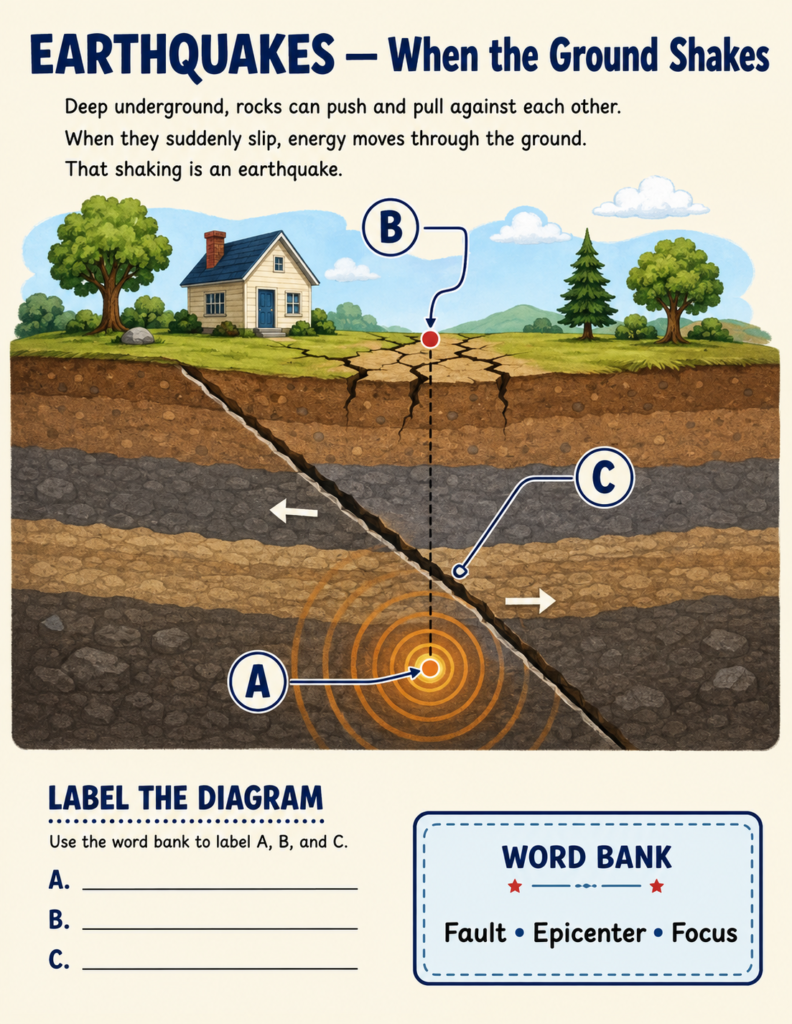
Earthquakes can seem mysterious until kids understand what is happening beneath their feet. The Earth’s crust is not one solid piece; it is broken into giant puzzle pieces called tectonic plates.
The Activity: Grab some graham crackers and frosting! Spread a thick layer of frosting (the magma) on a plate. Place two graham crackers (tectonic plates) on top. Have your child slide them past each other to simulate a transform boundary (like the San Andreas Fault), pull them apart, or push them together to form mountains.
2. The Classic Erupting Volcano
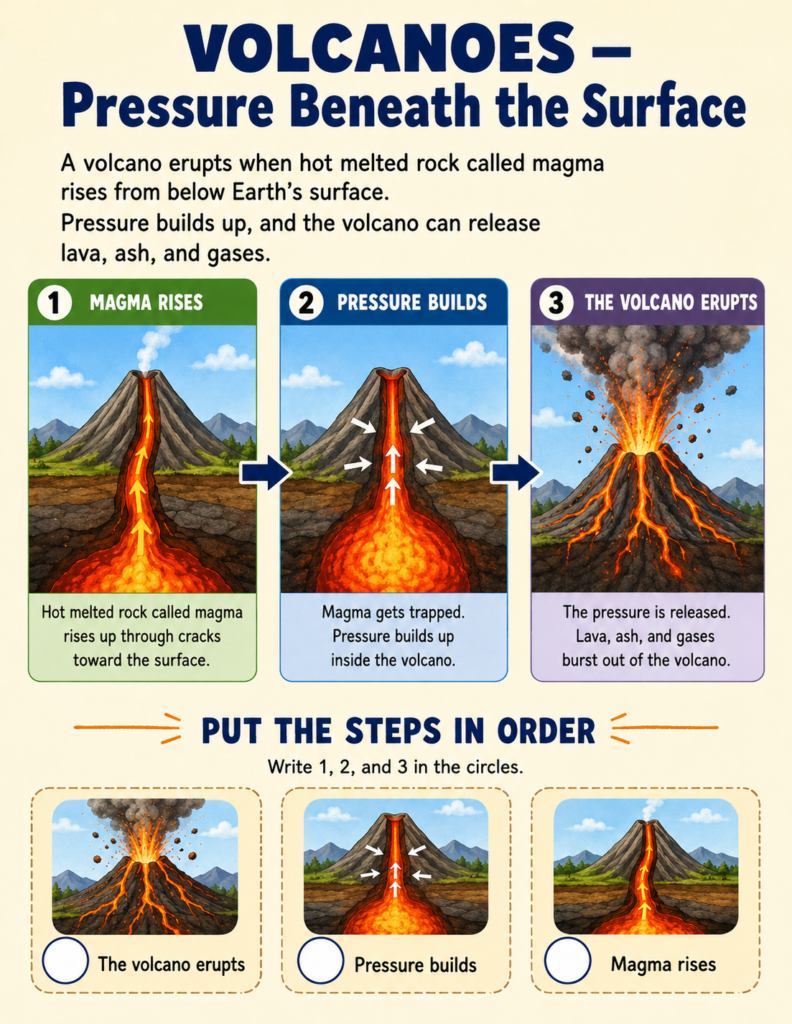
No natural disasters unit study is complete without a volcanic eruption. Volcanoes perfectly demonstrate how pressure builds up beneath the Earth’s crust until it has nowhere else to go.
The Activity: Build a simple volcano using play-dough, clay, or papier-mâché around a small plastic cup. Add 2 tablespoons of baking soda and a few drops of red food coloring into the cup. When your little explorer is ready, pour in a quarter cup of vinegar and watch the «magma» become «lava» as it bubbles over the landscape! This hands-on approach perfectly captures the spirit of montessori geography at home.
3. Track the Swirl: Hurricanes vs. Tornadoes
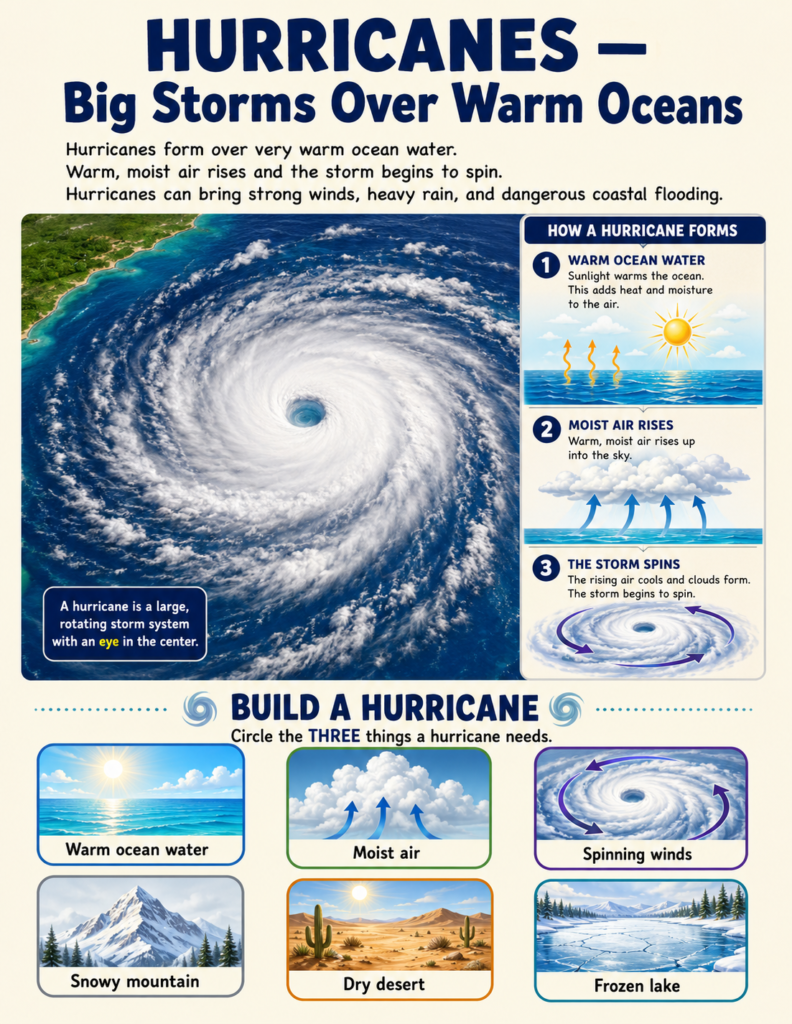
Understanding extreme weather is an incredibly empowering experience for kids. Hurricanes and tornadoes both feature high-speed, spinning winds, but they are born in completely different environments.
The Activity: Create a «Tornado in a Jar.» Fill a mason jar ¾ full with water, add a squirt of clear dish soap, and a pinch of glitter. Seal the lid tightly. Hold the jar by the lid and swirl it rapidly in a circular motion. When you stop, your child will see a miniature vortex spinning right in front of them!
4. Become a Hazard Detective
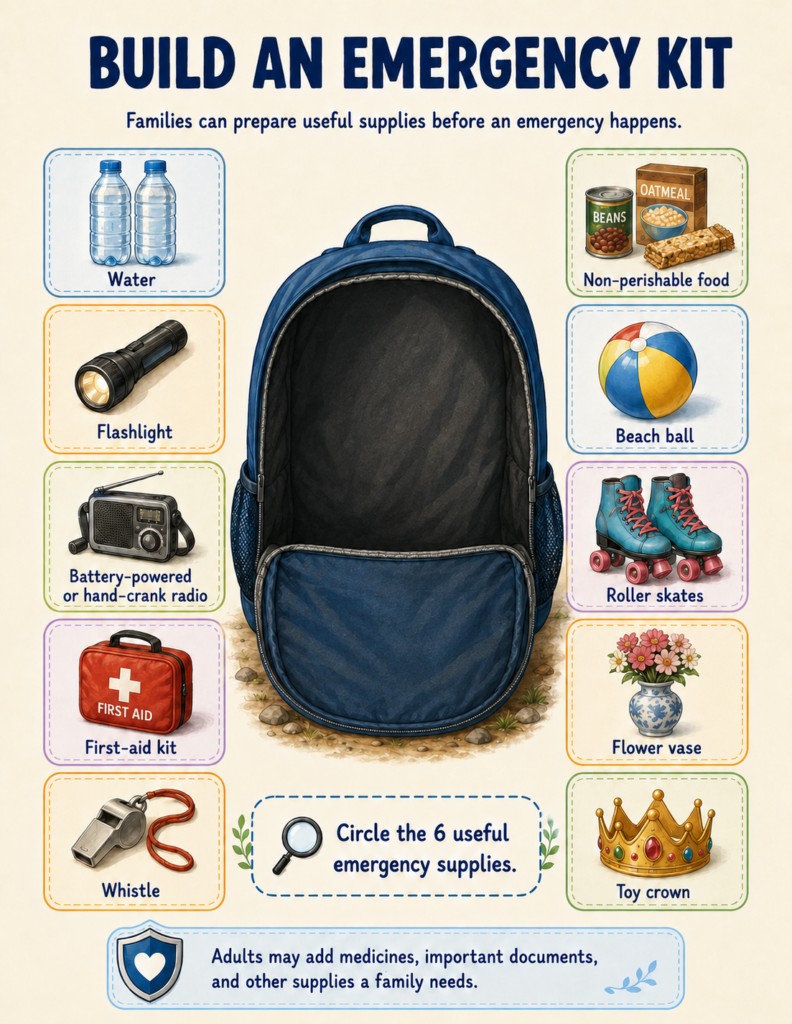
One of the best ways to remove the fear factor from natural disasters is to focus on preparedness and safety. When kids know what to do in an emergency, they feel confident and secure.
The Activity: Set up a mock «Hazard Detective» agency in your living room. Give your child scenarios: «The ground starts shaking—what do you do?» Practice the «Drop, Cover, and Hold On» drill. Discuss why scientists use tools like seismometers and weather satellites to monitor the Earth. Learning these practical, real-world skills is an excellent way to prevent summer slide and keep young minds active year-round.
5. Transition from Disasters to Global Exploration
Once your child understands how tsunamis form or why avalanches happen, they will naturally want to know where these things occur. This is your golden opportunity to seamlessly transition into broader world geography. If your child loved learning about volcanoes, channel that excitement into exploring countries known for their dramatic landscapes.
The Easiest «Open-and-Go» Solution: The Natural Disasters Explorer
Let’s be honest: gathering graham crackers, vinegar, and jars is fun, but piecing together a cohesive, educational curriculum from random internet printables is exhausting. Parents need a solution that is ready right now.
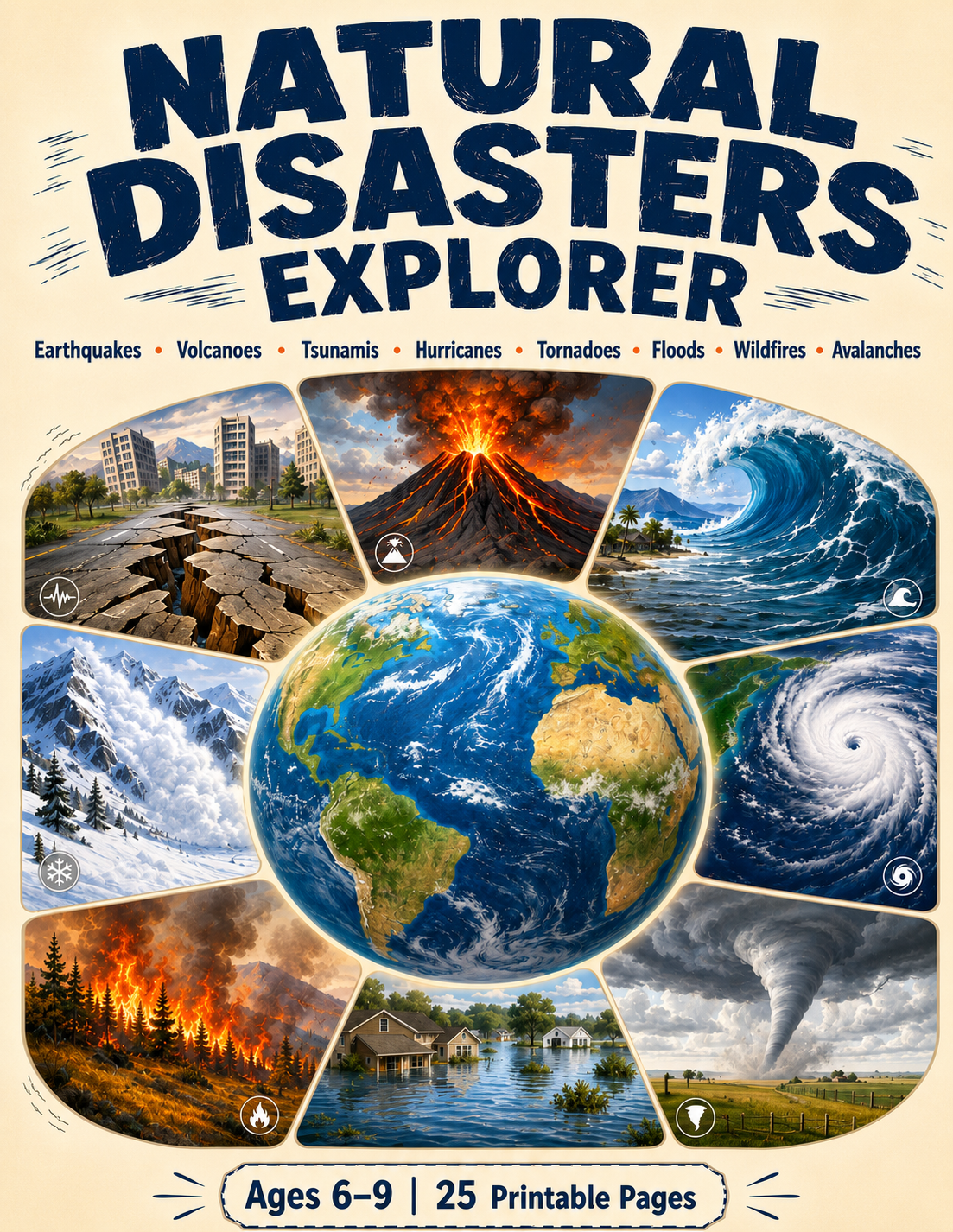
That is exactly why we created the Natural Disasters Explorer workbook.
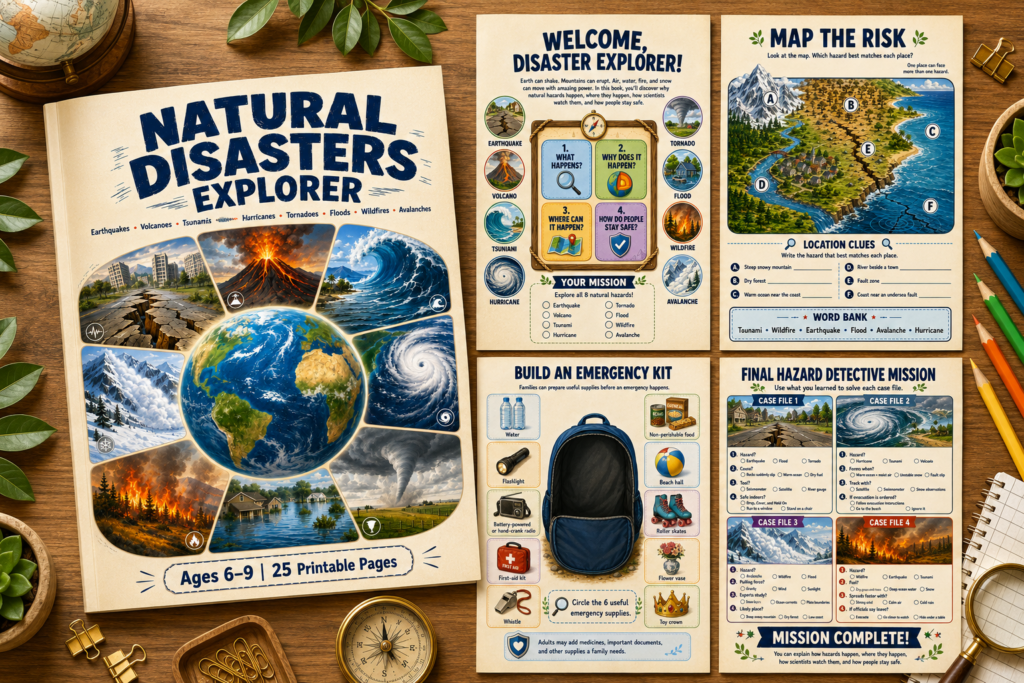
This 25-page digital adventure is packed with visually stunning, easy-to-understand activities that cover all 8 major natural hazards: Earthquakes, Volcanoes, Tsunamis, Hurricanes, Tornadoes, Floods, Wildfires, and Avalanches.
Instead of reading dry paragraphs, your child will step into the shoes of an explorer. They will map the risks, track weather systems, and learn the science behind the storms. The best part? It requires absolutely zero prep time. Just print it out, grab some colored pencils, and let the adventure begin!
Furthermore, this workbook acts as the perfect gateway to our broader geography collection. By integrating gamification in education for kids, we ensure that the learning never stops. Once they master extreme Earth events, they can dive into our World Explorer system, earning official visa stamps in their Universal Passport for every continent and country they conquer!