Geography for Multiple Ages: How to Teach a 6 and 9-Year-Old Together (Without the Stress!)
If you want to teach geography multiple ages at the exact same time, you already know how exhausting it can be. Teaching at home often feels like juggling flaming torches: while you are trying to explain a complex concept to your nine-year-old, your six-year-old has already lost focus, wandered off, or started drawing on the kitchen table.
But what if you didn’t have to create two entirely separate lesson plans? If you are looking for a practical way to teach geography multiple ages in your daily routine without the tears, you are in the right place. The secret lies in a method called «family-style learning» paired with the right educational tools. Let’s dive into how you can turn learning about the world into a unifying, fun experience for your entire family.
Why «Family-Style» Learning is the Secret to Homeschooling Multiple Ages
Many subjects are notoriously difficult to adapt. In math or reading, the skill gap between a first grader and a fourth grader is massive. But geography is completely different! Geography is the study of our incredible planet, diverse cultures, fascinating traditions, and unique animals. It is a subject that is incredibly easy to scale up or down based on a child’s comprehension level.
When you study countries together as a family, you unlock several powerful benefits:
- You Save Precious Time: You only need to prep one topic or country for the week.
- You Build Sibling Bonds: You create shared memories and inside jokes (like pronouncing difficult country names or laughing about funny animals) that make for great dinner table conversations.
- Natural Mentorship: Your older child naturally steps into the role of a «teacher’s assistant,» which reinforces their own knowledge, while the younger child reaches higher, absorbing advanced vocabulary simply by listening to their older sibling.
Understanding the Developmental Gap (6 vs. 9 Year Olds)
To make this work, we have to understand what each age needs. A 6-year-old is highly tactile; they need to touch, color, trace, and see big, vibrant pictures. A 9-year-old, on the other hand, is ready for critical thinking. They want to solve mysteries, crack codes, map coordinates, and understand why things are the way they are. The trick isn’t to force them to do the same worksheet—it’s to have them explore the same destination through different lenses.
3 Simple Steps to Teach Geography to Multiple Ages Successfully
To ensure your lessons run smoothly and without conflict, use this proven framework:
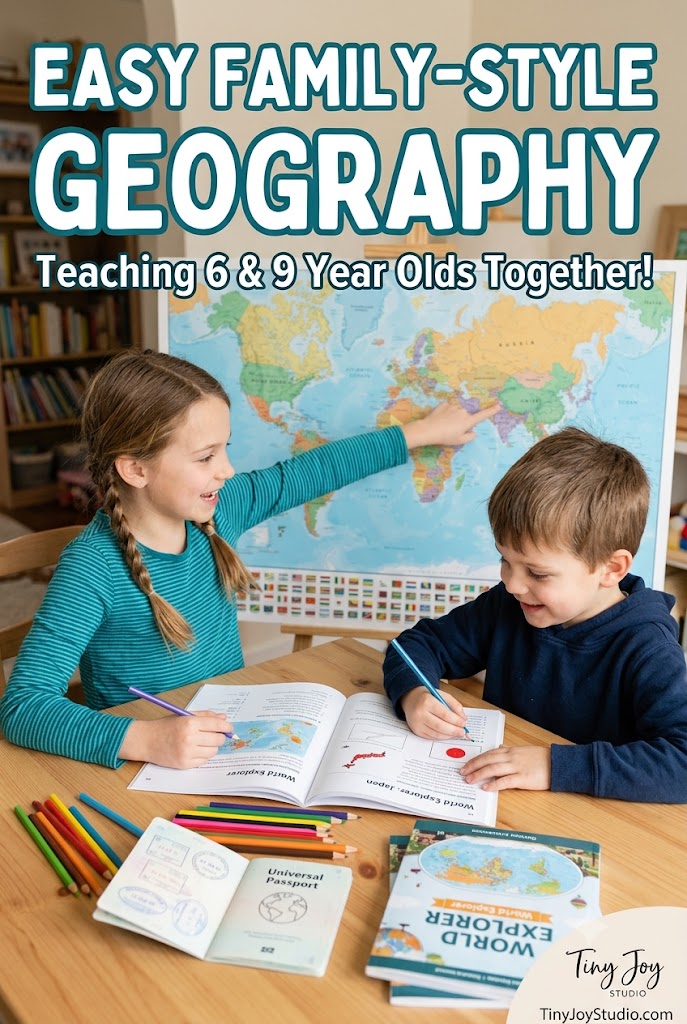
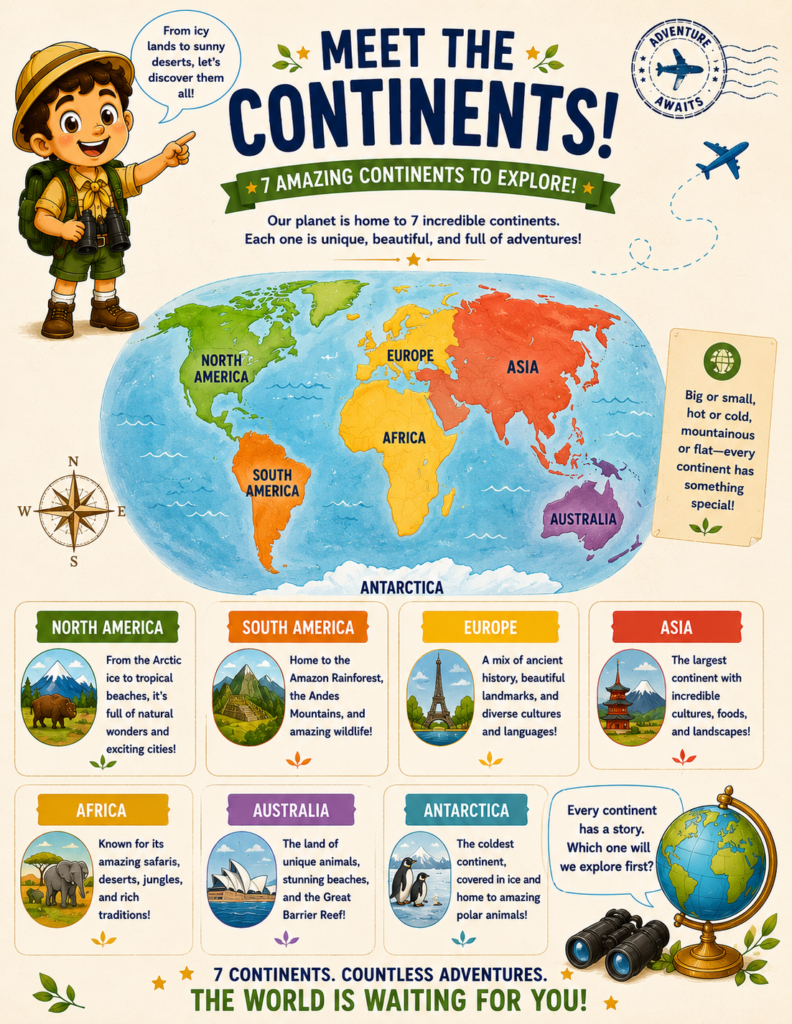
1. Start with a Shared Foundation (The Big Picture) Before diving into the intricate details of a specific country like Japan or Brazil, make sure both kids understand the scale of the planet. Start with the basics. Coloring a giant wall map of the world together or assembling a large floor puzzle is the perfect starting point that equally engages both a 6-year-old and a 9-year-old.
2. Differentiate the Tasks, Not the Topic The golden rule of multi-age homeschooling: You do not need to study Brazil with one child and Italy with the other. Study the exact same location, but assign different levels of difficulty!
- For the 6-Year-Old (Motor Skills & Visuals): Have them color the country’s flag, search for cute local animals (like a capybara or kangaroo) on the map, trace the continent’s outline, and navigate a simple maze.
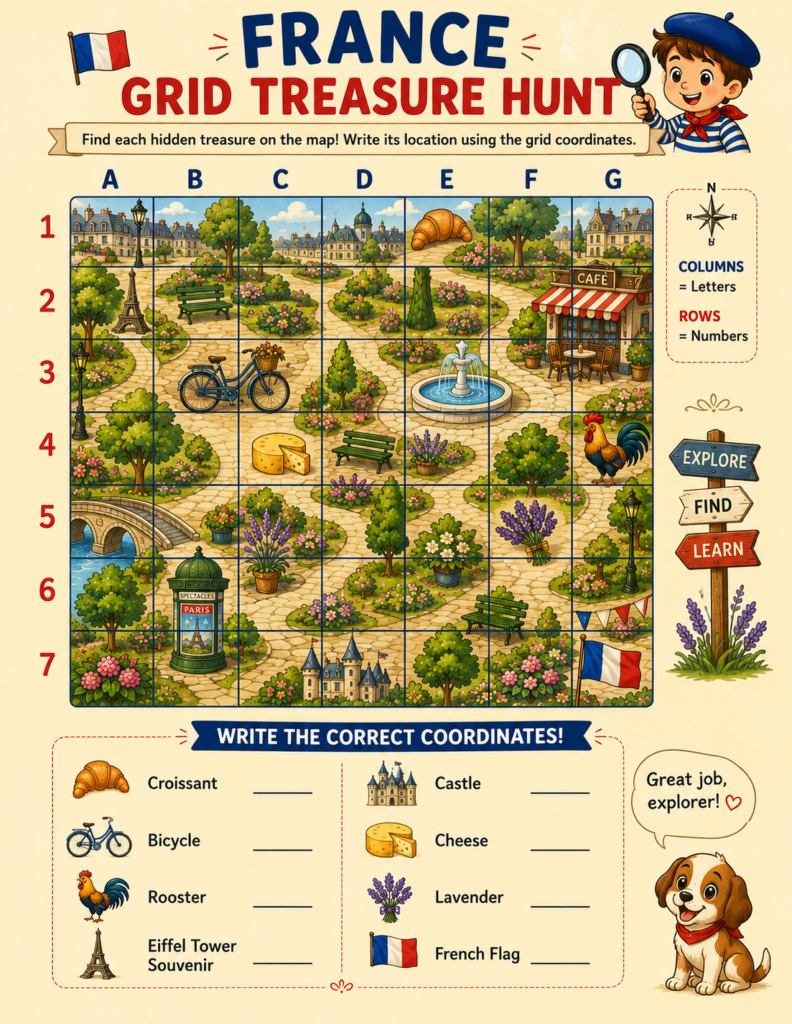
- For the 9-Year-Old (Analytics & Logic): Have them read independent cultural facts, solve a complex crossword puzzle, calculate grid coordinates, and engage in project-based learning in homeschooling to understand complex biomes.
3. Gamify the Experience to Hook Them Both Nothing unites kids of different ages quite like a shared mission and a sense of adventure. Standard textbooks induce yawns, but gamification works every single time. Implement a reward system that is easy enough for the younger child to understand but cool enough for the older child to actually care about.
H2: The Universal Passport: The Ultimate Tool for Age Blending
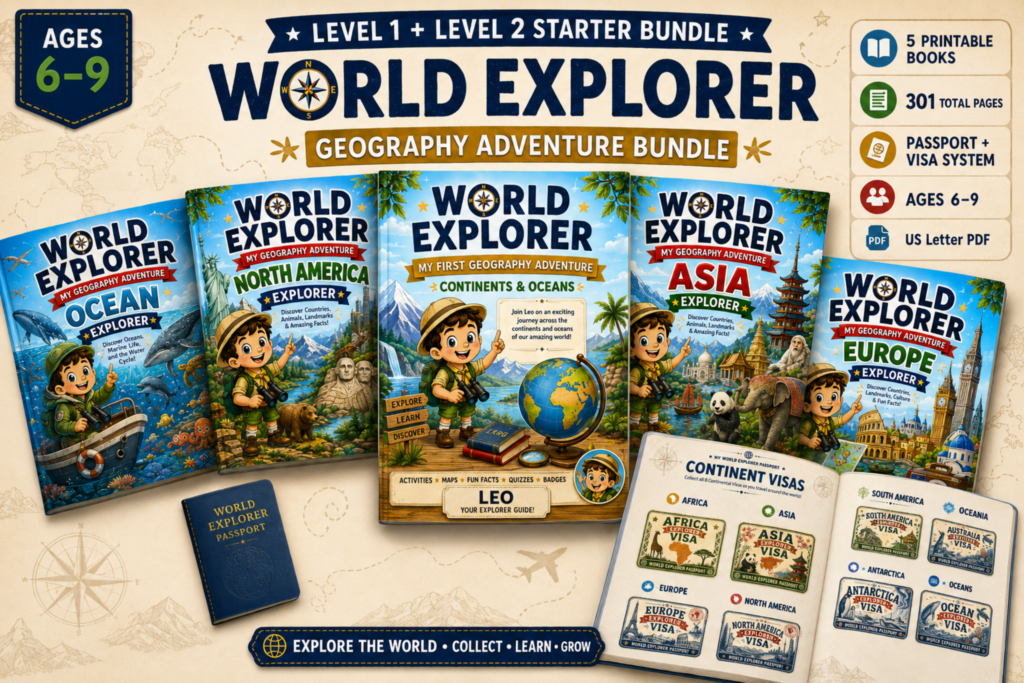
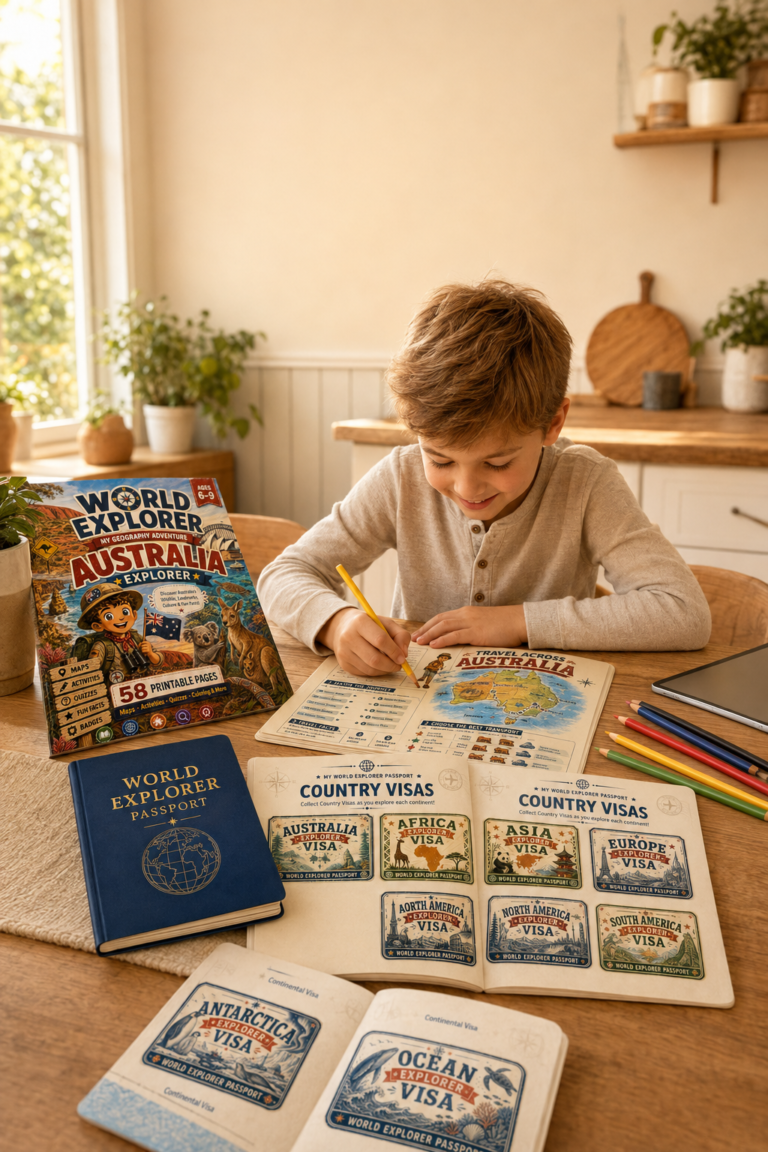
How do you implement all of this without spending your entire weekend searching for free printables on Pinterest? The answer is simple: The World Explorer series and the Universal Passport system from Tiny Joy Studio.
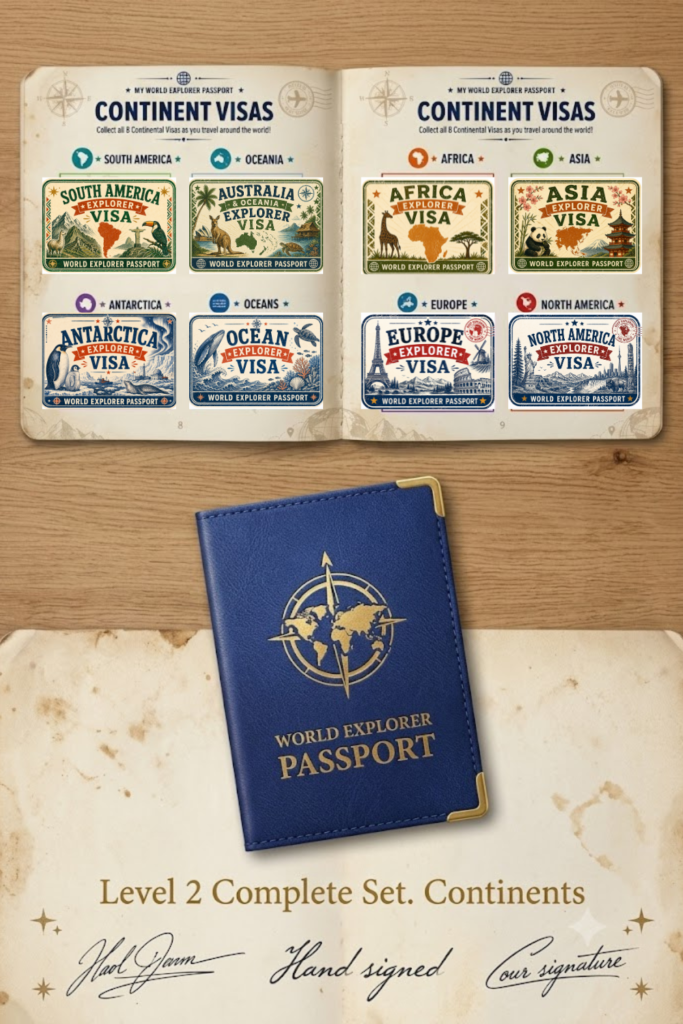
This unique series of activity books was designed specifically with family-style learning in mind:
- The visual elements (vibrant coloring pages, hidden object searches, and simple animal facts) are perfect for your younger kids.
- The deep facts, logical grids, final quizzes, and missions provide the perfect intellectual challenge for your older kids.
- Absolutely every child, regardless of age, loves cutting out official visa stamps and gluing them into their very own Universal Passport after completing a country!
Every child gets their own passport. Picture this ideal homeschool morning: your kids are sitting peacefully at the same table, exploring the culture of a new country from the same beautiful workbook, helping each other out, and then proudly gluing in their earned visas together. No tears, no boredom—just the pure joy of exploring the world.
👉 Start your family adventure with the World Explorer Mega Bundles in the Tiny Joy Studio Etsy Shop today!