The Ultimate Homeschool Geography Curriculum: How Place, Climate, and Shape Shape Human Life
When we first introduce geography to elementary students, we often focus exclusively on the physical planet—labeling countries, tracing rivers, and memorizing mountain ranges. But true geography encompasses much more than coordinates on a map; it explores the deep, fascinating connection between Earth and People.
For children ages 6 to 9, understanding why a house in a snowy mountain slope looks completely different from a home on a tropical coast brings human geography to life. However, finding a cohesive, engaging homeschool geography curriculum that bridges physical science and human culture without requiring hours of late-night preparation can be a daunting task for busy parents.
If you want to move beyond dry textbook memorization and invite your child to think like a human geographer, we have the ultimate «open-and-go» solution.
Meet Your Guide: Exploring Homes Around the World
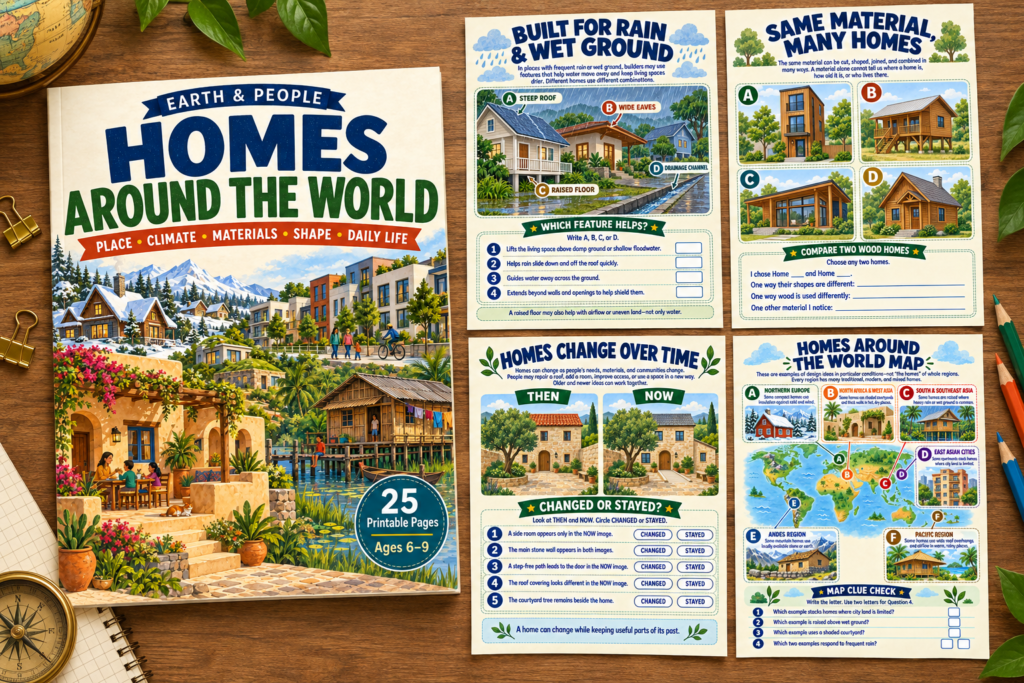
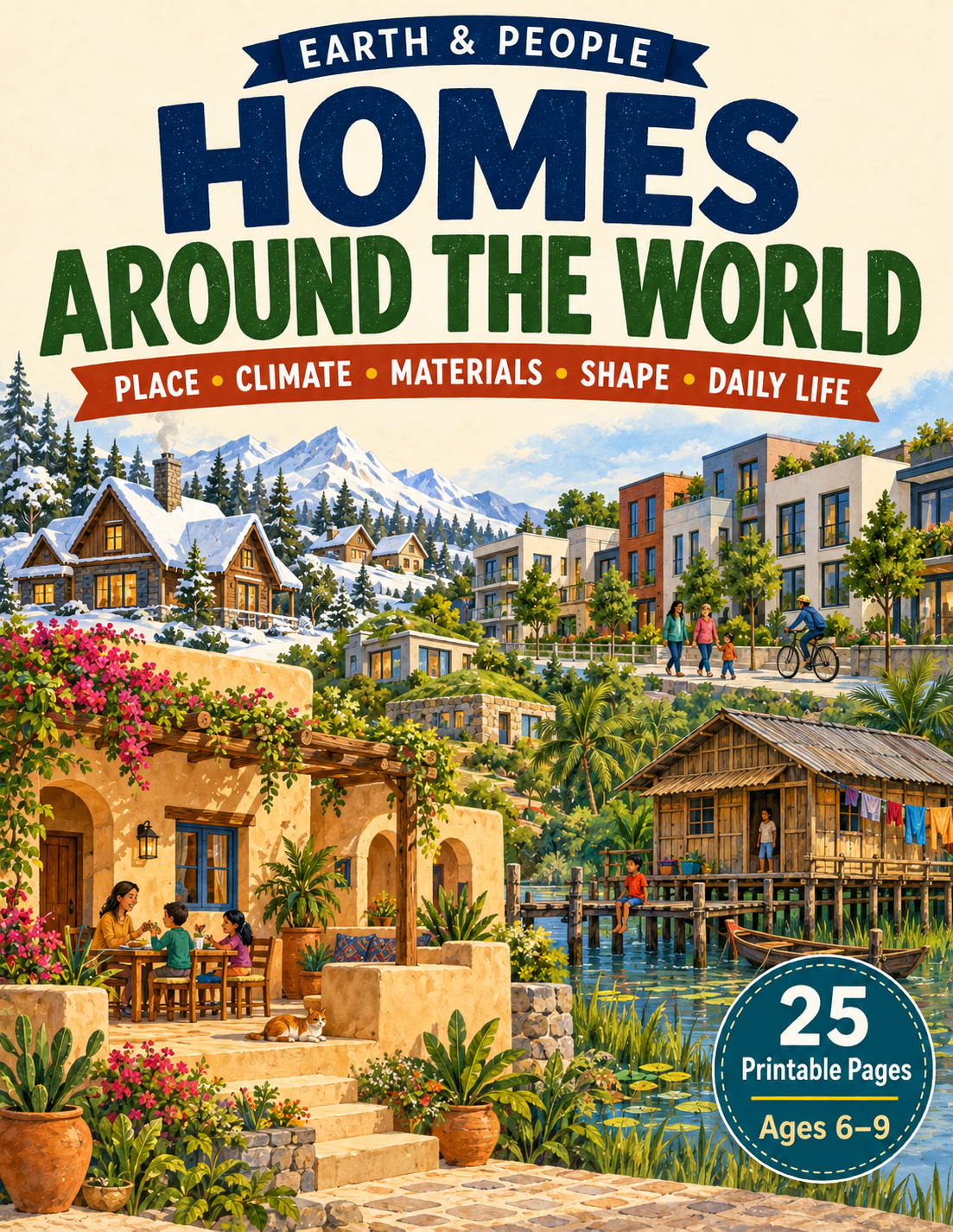
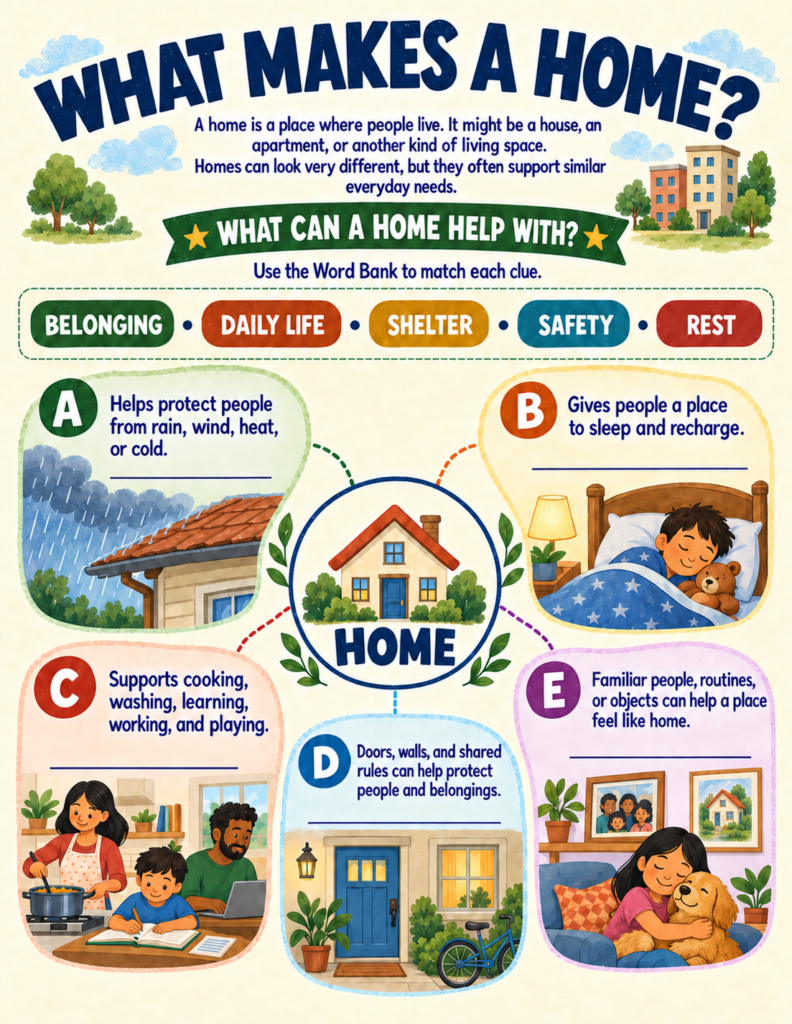
Instead of overwhelming young minds with abstract sociological concepts, the Homes Around the World: Place, Climate, Materials, Shape & Daily Life activity book invites your child on an observational expedition.
Designed specifically for curious minds, this workbook acts as a detective toolkit, teaching kids to look closely at their environment using Five Home Clues: Place, Climate, Materials, Shape, and Daily Life. Let’s explore the hands-on missions your child will complete on their journey!
1. Reading the Place and Climate Clues
Every home tells a story about its environment.
- What’s Inside the Book: Kids learn that a home’s design is heavily influenced by what surrounds it—whether it is a busy city, a steep mountain slope, an open countryside, or a windy coast. They investigate how regional climates, from hot and dry deserts to rainy, humid jungles or long, snowy winters, dictate architectural needs like steep roofs, thick walls, and raised floors.
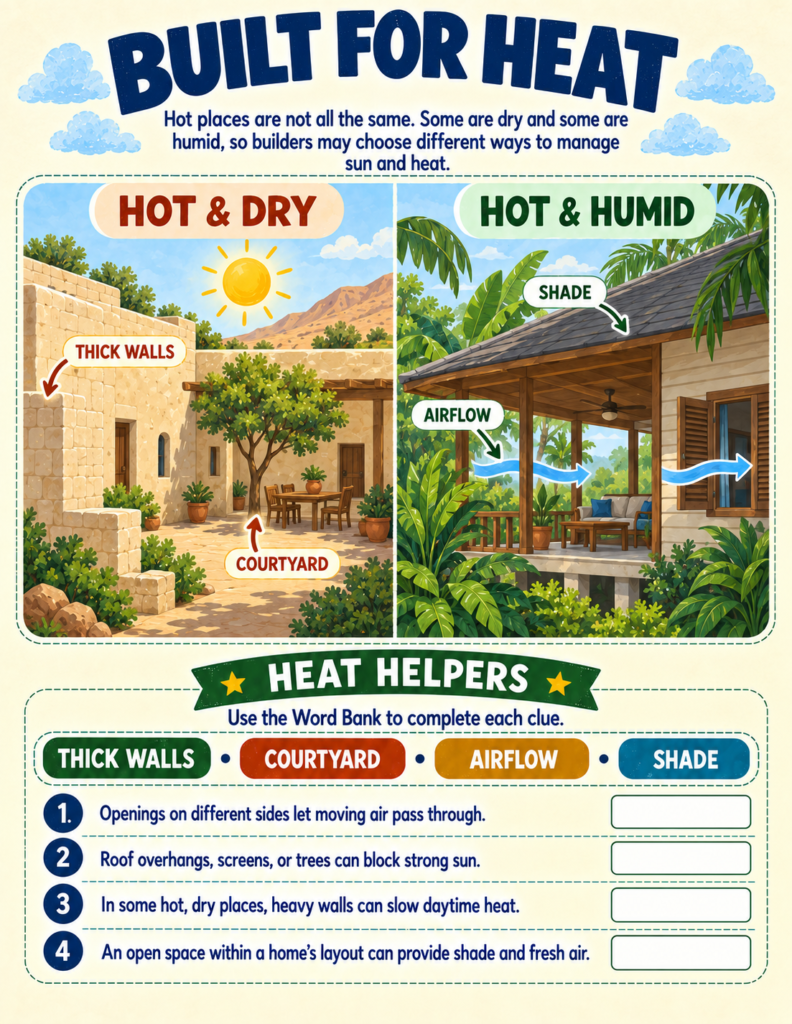
- How to Bring It to Life at Home: Take a walk around your neighborhood and play «Design Detective.» Look at your own home and ask: Why is the roof shaped this way? How do these windows handle the local weather? Connecting visual puzzles with the physical world is a fantastic way to prevent summer slide and keep kids actively thinking.
2. Materials and Local Resources: Building From the Earth
Geography is also about resourcefulness. Why do builders choose certain materials over others?
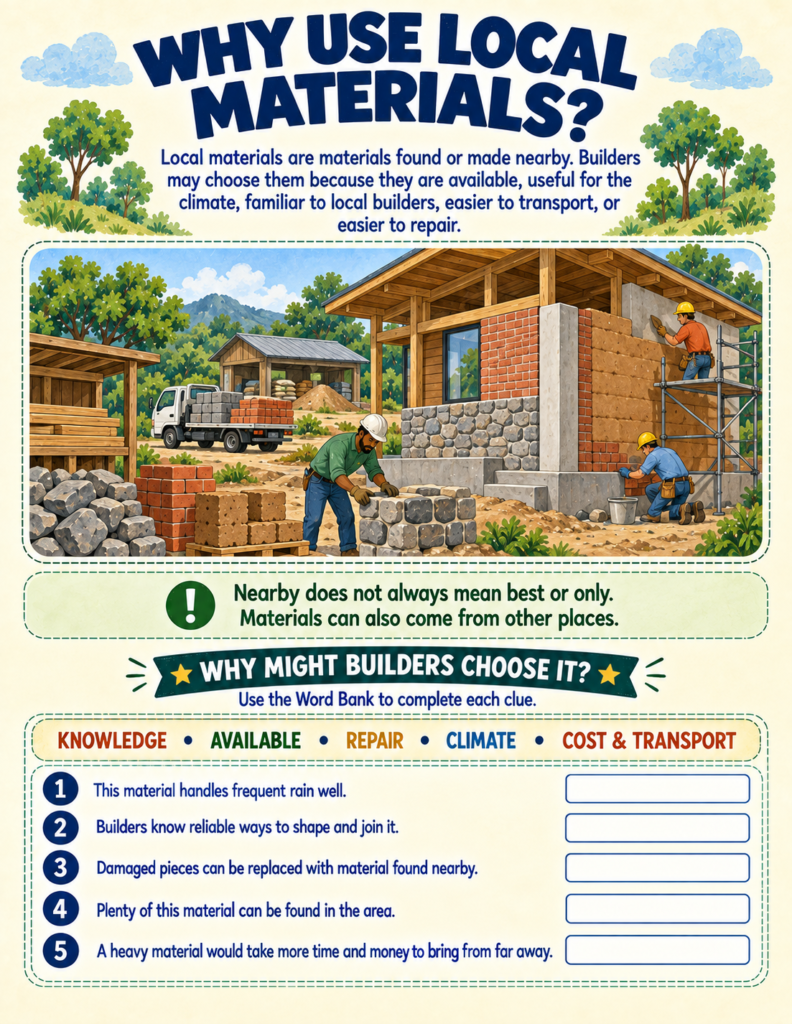
- What’s Inside the Book: Young explorers discover why builders rely on local materials—such as wood, stone, brick, earth, and concrete—based on availability, climate compatibility, and ease of repair. Through interactive matching and comparison activities, kids realize that the same material can be shaped and combined in countless ways across the globe.
3. Shape Lab and Daily Life
Form follows function, especially in architecture.
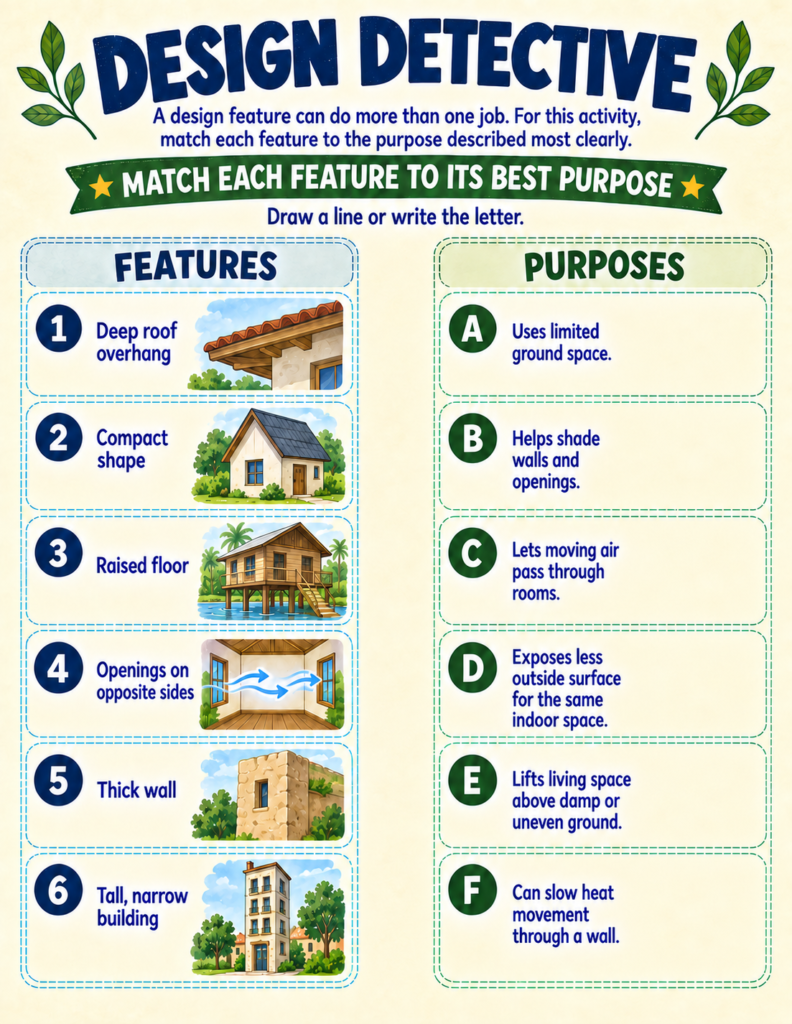
- What’s Inside the Book: Children dive into the «Shape Lab,» analyzing how roofs, heights, and compact forms help buildings handle weather or make the most of limited urban land. They also explore indoor layouts, comparing separate rooms, flexible open spaces, and indoor-outdoor connections that support daily routines like cooking, resting, and learning.
- How to Bring It to Life at Home: This perfectly demonstrates why project-based learning is essential! Grab some building blocks or recycled cardboard and challenge your kids to design a home built specifically to withstand heavy rain or extreme heat.
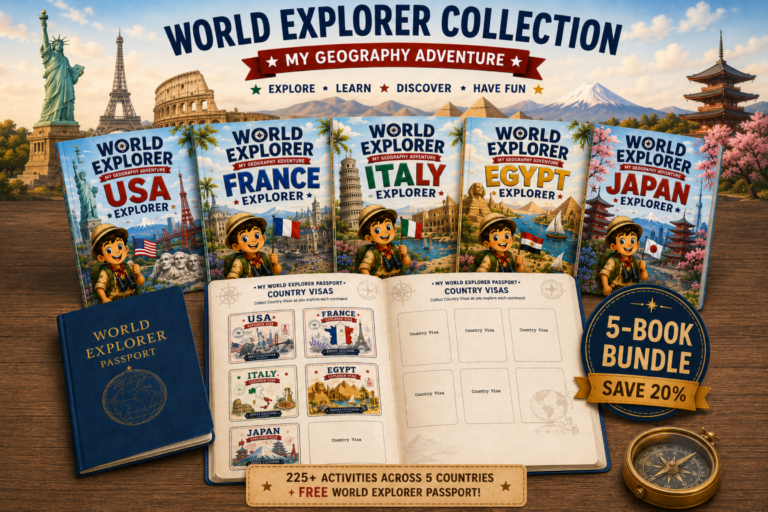
The Secret to Motivation: The World Explorer Series
Even with the most fascinating real-world connections, young learners need a sense of direction and reward to stay focused. The secret to keeping them hooked until the final page is gamification in education.
Throughout the book, your child isn’t just passively answering questions; they are analyzing weather-ready profiles, solving spatial spacing patterns, and designing their own custom home based on environmental clues.
Once they complete their global expedition, they build critical thinking skills through careful observation sheets and map check challenges, stepping away with a profound appreciation for how human beings adapt to our incredible planet.
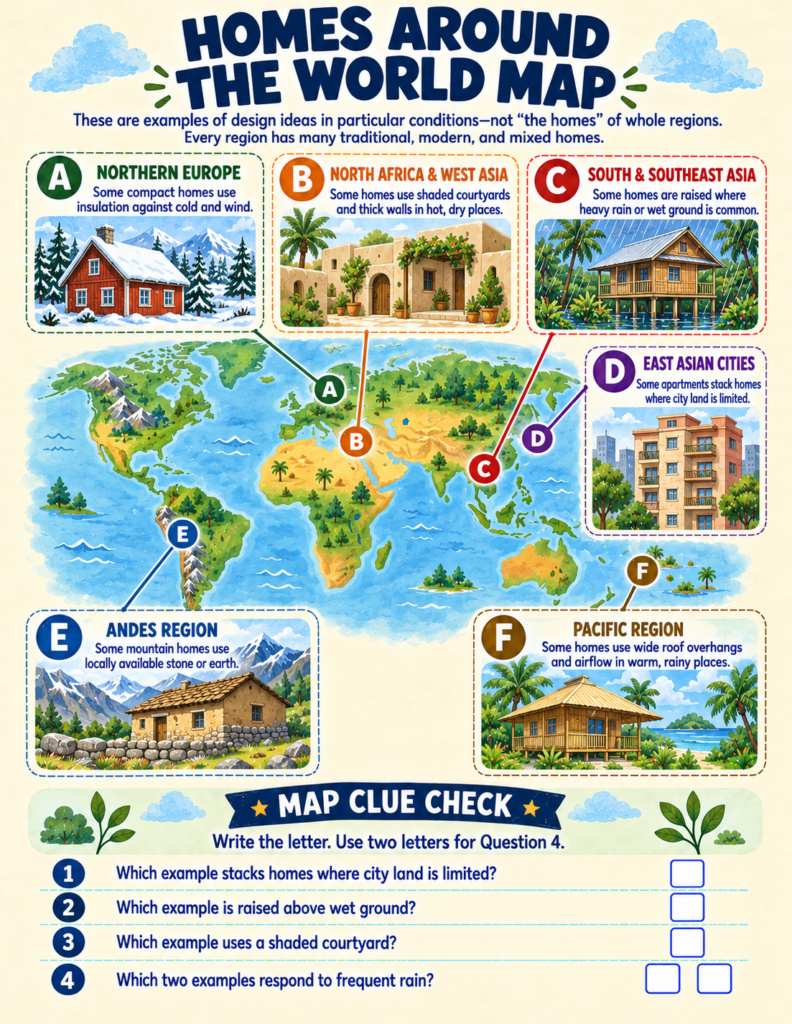
Are you ready to transform how your child views the built world around them? Grab your colored pencils, print the workbook at home, and let the geographical exploration begin!